How To Help Your Child Make Friends At School This Year
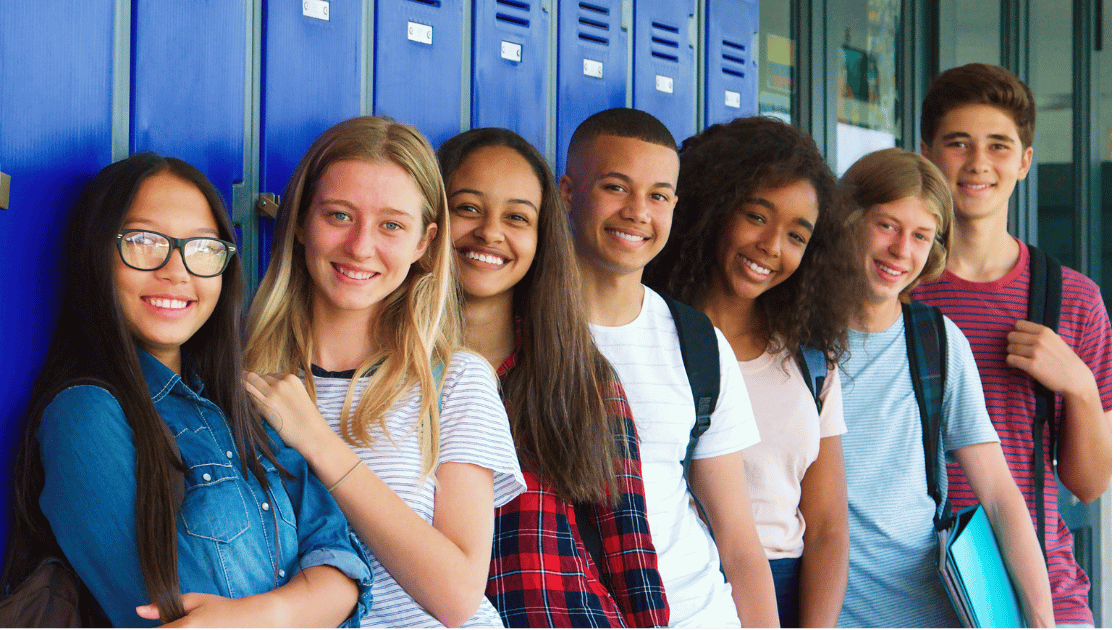
Children struggle to make friends at school for any number of reasons, but you can be there to support them in this challenge.
With the impacts of the loneliness epidemic looming large, the relative well-being of young people sitting at a record low, and COVID-19 pandemic causing significant loss in social-emotional development for youth, making friends as a young person has never been more important (or more difficult) than it is right now. Parents are acutely aware of this fact and are wondering how to help children make friends at school. We’re a group of therapists, educators, parents, and healthcare professionals who work with tweens and teens. Our social-skills groups are designed to develop social-emotional learning and building friendships. Here are the strategies we have to share for your child making friends this school year:
Social Skills to Help Your Child Make Friends At School
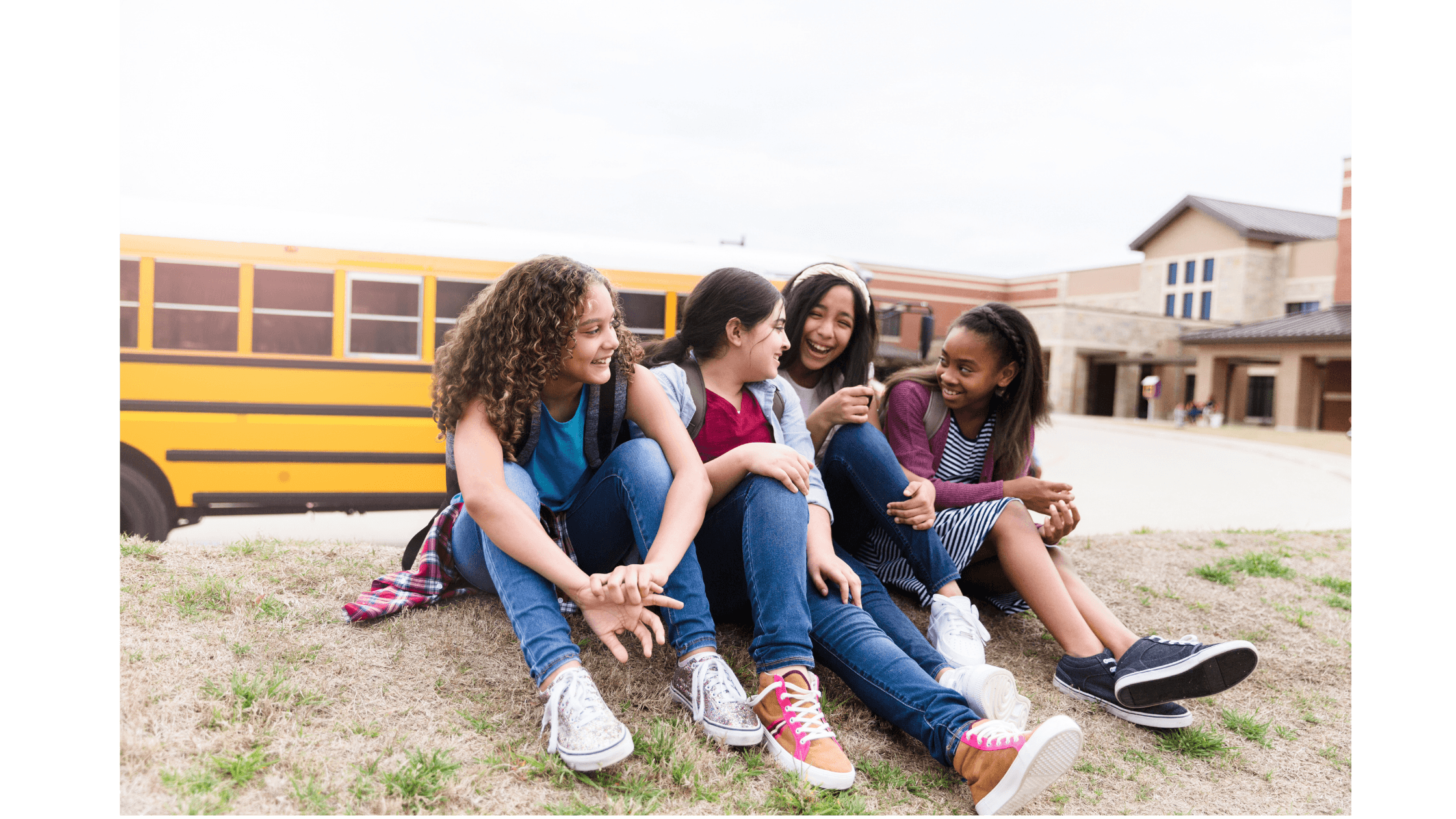
The one-two punch of high loneliness and low social skills can be really difficult for children. How can they forge these all-important social connections if they don’t have the skills to make them? These social skills go beyond being able to hold a simple conversation, and include picking up on verbal and nonverbal social cues, communicating effectively, and navigating complex social dynamics. They’re broken down into five distinct categories: self-awareness skills, self-management skills, responsible decision-making skills, relationship skills, and social-awareness skills.
In our experience working with tweens and teens, there are a few key components to activities that effectively develop these skills. First, they should have enough flexibility to give children autonomy and creativity, but enough structure to direct them towards prosocial behaviors and soothe anxious kids by giving clear expectations. Collaborative, rather than individualized and/or competitive activities help engage kids and develop teamwork skills. If possible, small, consistent groups are ideal, as they let children build relationships with their peers over time.
Some great in-person social-skills activities that fit all of these categories include group sports focused on teambuilding, children’s theater, church groups, and clubs that fit your child’s interests. But online activities are an option as well. These include roleplaying games, collaborative courses, academic support groups, social support groups, and video-game clubs. Letting your child develop their social skills will give them the tools they need to make friends (and they’ll more than likely come out the other side with a few friends already)!
My Shy Child Is Struggling to Make Friends At School
For some kids, these kinds of activities are far too intimidating to even consider, no matter how much you try to get them to come out of their shell. One way to help this kind of child to make friends at school is to increase their confidence (which, interestingly enough, has fallen by 22% in children this past decade, so your child isn’t alone)! This starts by modeling confidence yourself, showing your child how you approach new people, try new things, and care for yourself. Building a home environment of acceptance, particularly one that focuses on process-based praise (i.e. “You worked so hard to practice that!” vs “You finally did it!”), has been proven to increase confidence and resilience. Finally, your child does need to practice confidence, even on a small scale. This can be done through learning new skills or activities they enjoy, particularly those in which the child themselves makes their own choices and engage with small but genuine levels of unpredictability, which is especially needed practice in low-confidence children.
But some children are dealing with more than simple shyness; they may have genuine anxiety that can make social interactions feel impossible no matter how confident they are. Since the pandemic, more than 1 in 5 children have clinical levels of anxiety, which grows stronger with time if left unaddressed and untreated. Effective ways to address anxiety in children include gradual exposure, breaking them out of the cycle of avoidance, practicing cognitive defusion (when a child separates their anxious thoughts from who they are as a person), and positive social interaction, which can help soothe the anxiety response, regulate the nervous system, and overwrite negative associations with social interactions.
Helping A Child Make Friends At School With Autism
Making friends at school is particularly difficult for children with autism spectrum disorder, or ASD. This introduces a number of barriers: difficulty learning social skills, negative responses to the high stimulation and low structure of many social scenarios, and rigidity to change that can make spontaneous interactions overwhelming. And unlike a neurotypical child’s brain, the reward circuitry in the brain of an autistic child isn’t built to motivate them towards social activities and interactions; research shows that there’s simply no intrinsic reward there.
However, researchers have developed a concept called social motivational learning, in which something an autistic child does enjoy can be used to motivate them to engage in social interactions. This concept can take advantage of special interests, intense fascinations for specific topics and atypical attachments to objects, concepts, or behaviors that are often experienced by autistic people. When these special interests are used as a gateway into collaborative or otherwise social tasks, an autistic child is motivated to engage in them (and will actually be much more at ease when they do)!
Help Kids Make Friends At School With ADHD
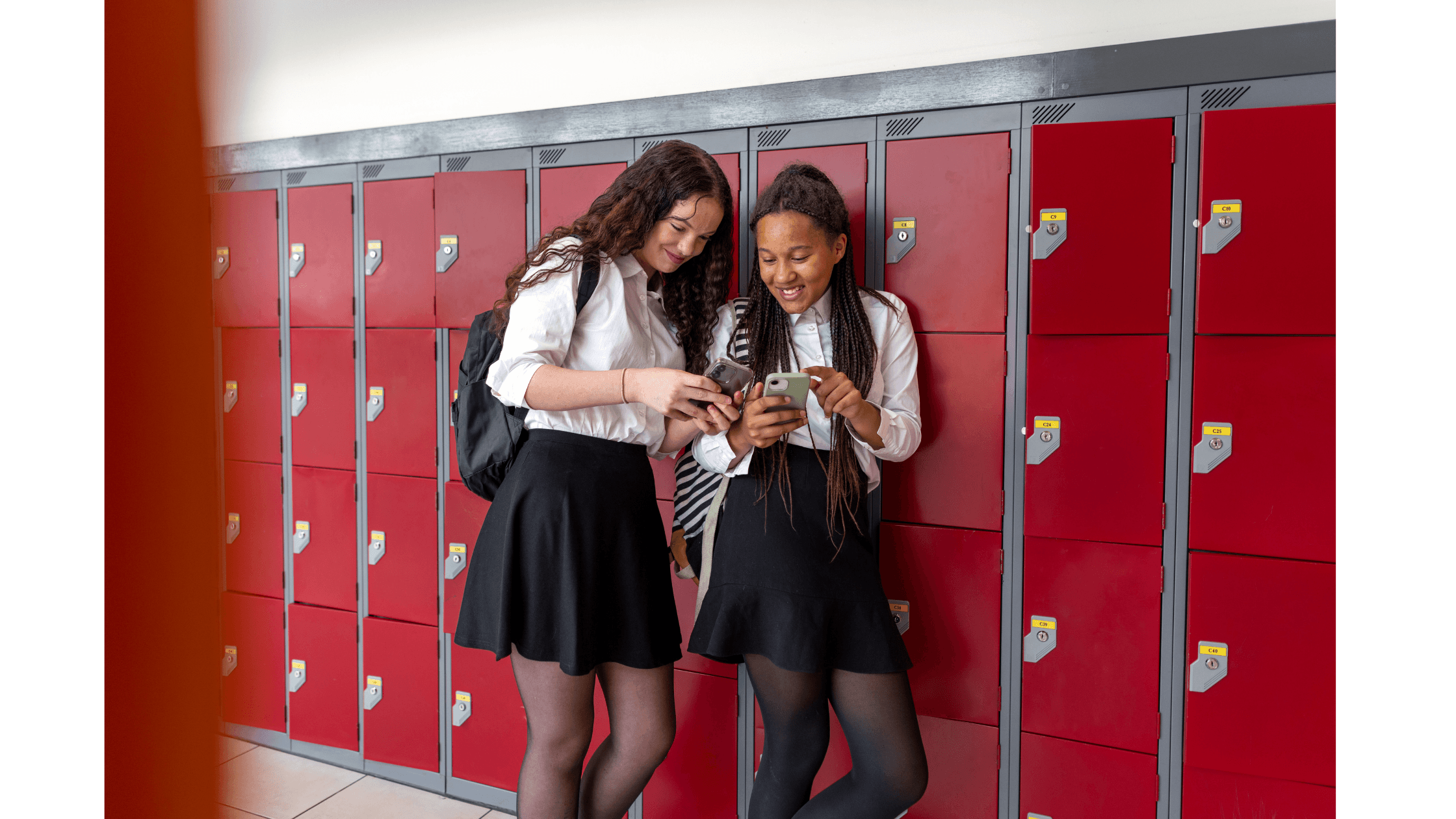
Children with ADHD can also struggle to make friends at school. The typical classroom environment is not well-suited to the needs of ADHD students, who often struggle to succeed, let alone regulate themselves. Other students may also find some ADHD symptoms annoying or off-putting, which can be a further barrier to making friends at school with ADHD. But it is possible for kids with ADHD to make friends at school! They’re best set up for success in environments with structured, predictable routine that are balanced by a measure of independence and unpredictability. Having the freedom to fidget, snack, pace, or even step out of a room for a break can help them regulate themselves, which puts them in a much better space to make friends. Talk to your child’s teachers about these kinds of accommodations, and look for extracurricular activities that can give your child these freedoms without the added academic pressure. Research shows that extracurricular activities for ADHD children to make friends should ideally have this balance of structure, operate as “closed-skill” activities (those with predictable, repeatable tasks, such as gymnastics, theater, board games, and puzzles), hit the “sweet spot” of challenge to motivate ADHD kids, foster cooperation between participants, and meet regularly, ideally with the same group of peers.
What To Do When Your Child Has No Friends At School
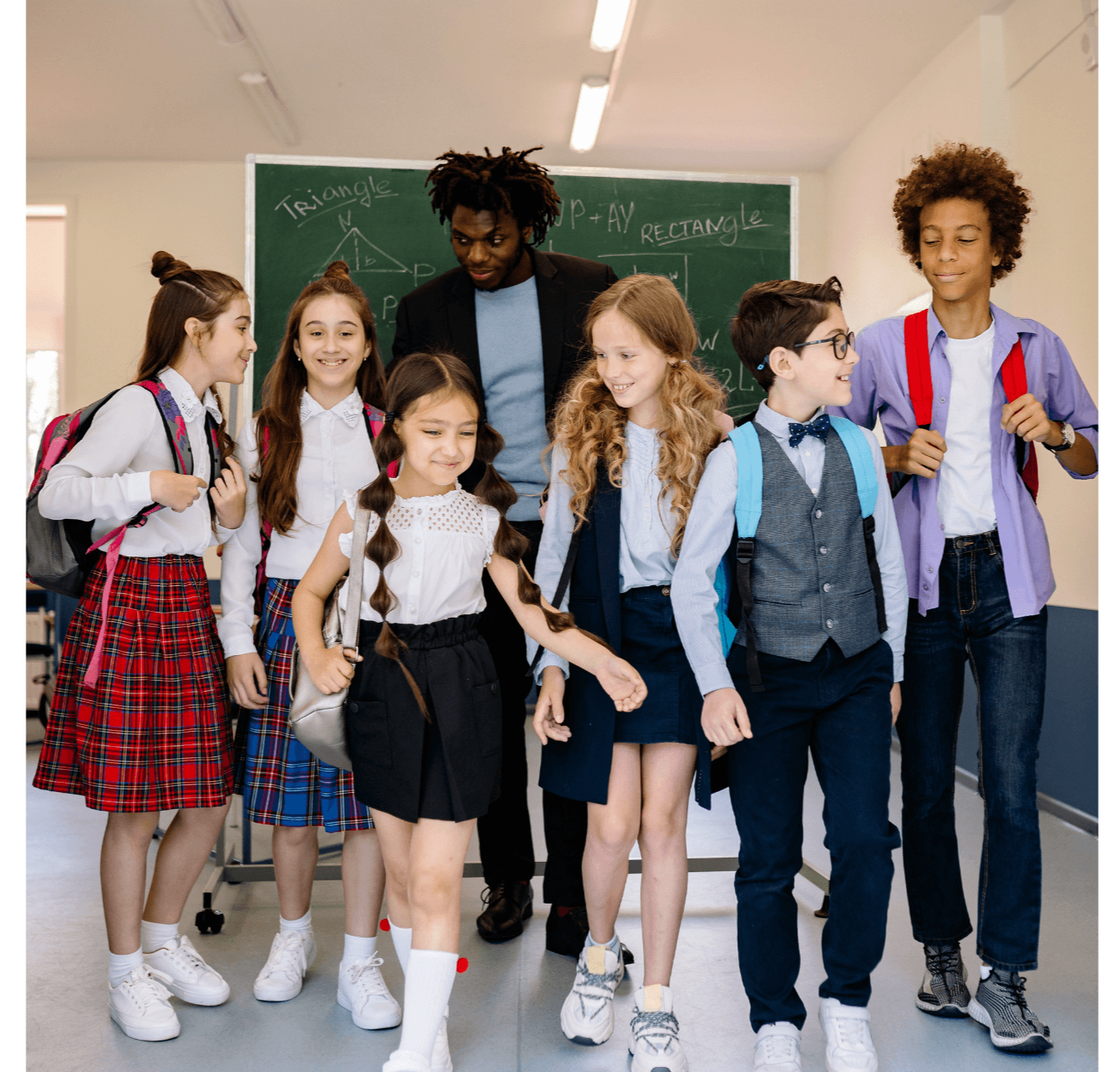
Sometimes, no matter how much support you give, your child may still struggle to make friends at school. The stimulation and pressure of a classroom environment can work against your child, as can being in the same group of peers (some of whom may have already decided against being friends with your child — social dynamics are complicated at any age)! But school is not the only place for kids to make friends. There are extracurricular activities in the community, such as community theater, scouts, or volunteering, as well as online spaces where kids can make friends. Though the idea of a child making friends online may (and probably should!) give you pause, there are safe, adult-facilitated spaces online for children to develop social skills, build friendships, and safely connect with other kids from around the world.
These online environments can be a huge relief for children who feel “othered” in in-person spaces based on their mannerisms, appearance, or other aspects that their peers may judge them for. Online, your child can also find those who share their niche interests, particularly if they struggle to find “real-life” friends who do so. By finding structured environments in which your child can consistently communicate with the same peers, they can slowly build a friendship over time: logging back in to check on one another, answering messages, and making plans to play, watch, or create together. Of course, all of this should take place in an environment monitored (and, if possible, facilitated) by trained, trusted adults who know your child and their needs.
Helping Your Child Make Friends Through Our Online Groups
This is exactly the environment in which we’ve seen friendships formed within our online groups. We’ve seen how, over time, these online connections form real, genuine friendships, where children know and like each other, spend time with one another, and care for each other as friends just as they would in the same room. They talk to each other about their classes, families and extracurriculars, share their favorite movies, TV shows, and video games, and occasionally descend into meme-fueled fits of silliness! All of this is done through adult-facilitated online games of Dungeons & Dragons, which has all the components that help children (especially those with ADHD, autism, or anxiety) make friends: a balance of structure and creativity, collaboration and teamwork, small and consistent groups of peers, opportunities to practice confidence, positive social interactions with others, social motivational learning, openness to taking breaks and meeting other needs, a set of “closed-skill” activities, and a moderate level of challenge to keep kids engaged. Learn more about our games and join the waitlist below!