The Five Types of After-School Activities for Kids and Teens

We’re a group of therapists, educators, and parents here to share the best after-school activities for 12 year olds and beyond!
The start of the school year brings an abundance of potential after-school activities for kids. From running drills on the basketball team to soldering chips in the robotics club, kids and parents have to choose from a seemingly overwhelming number of options. That leaves parents wondering. What activities do you do after school? What is the most popular after-school activity for teens? And, of course: what are the best after-school activities for kids? We’re a group of therapists, educators, and parents who work with kids and teens, and we can tell you the most important thing to keep in mind when picking an after-school activity; Every kid is different, so their activities should be too! So we broke down the wide variety of after-school activities into five approximate categories to help you narrow down your options and find the perfect activity for your child.
Physical After-School Activities for Kids and Teens Who Need to Move
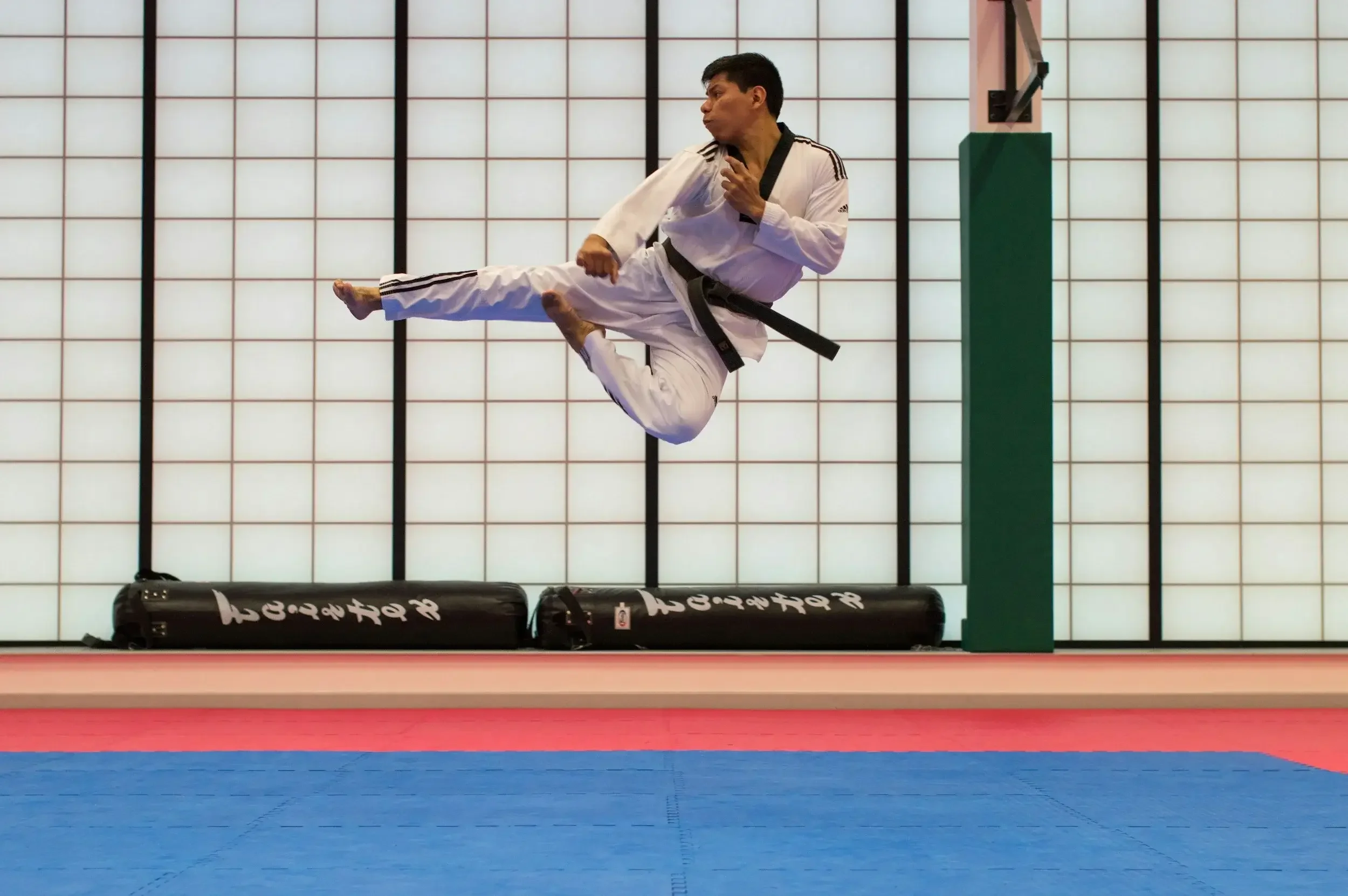
There are plenty of examples of after-school activities for teens and kids to physically develop.
If we were using 1980’s movie conventions, most physical activities belong to the domain of “jocks,” physically-fit athletes drinking protein shakes and wearing letterman jackets . And while physical activities are great ways for athletic kids to learn the process of mastery and excel among their peers, the truth is that physical activities are for everyone! Many traditional team sports (like soccer, football, basketball, lacrosse, or hockey) allow kids to develop physical skills and implement them as a team, building friendships and teamwork along the way. Other sports utilize movement and physical control on a more individual level (like martial arts, fencing, or equestrian), including the social element but reducing the amount of open-loop processing (where kids must react and adapt to the behaviors of their teammates and opponents in an unstructured environment). This can be a huge help for neurodivergent kids and other athletes who thrive in consistent, repetitive environments. All of these physical activities help keep kids physically healthy, develop teamwork, and provide both proprioceptive (related to position and exertion) and vestibular (related to motion and balance) sensory input. Even physically disabled kids who might assume that physical activities don’t have a place for them can find ways to move in the world of adaptive sports: sports modified for the physical needs of every athlete!
Mental After-School Activities for Teens and Kids of the Nerdy Persuasion

Coding is one most popular after-school activities for nerdy kids and teens.
We work with a good number of self-professed nerdy kids: the kinds who know all the lore of their favorite video game, read more books than you’ve heard of, and can recite the quadratic equation by heart. Mental activities not only great for the nerds and geeks among us, but for anybody with curiosity and intelligence looking to learn and grow! Much like their physical counterparts, some of these activities (like science olympiad, esports, or robotics club) use the team model, allowing kids to connect and learn with others as they sharpen their minds. Others (like chess club, coding classes, or video-game club) give kids the opportunity to improve their skills and excel in parallel with their peers. Still others (like book clubs, anime clubs, or craft clubs) remove competitive elements and instead serve as low-pressure social environments. All of these activities provide a unique mode of learning outside the confines of a classroom, allow students to pursue their own unique interests, and even provide the kind of social motivational learning that helps build social skills!
Interpersonal After-School Activities for Kids and Teens to Socialize
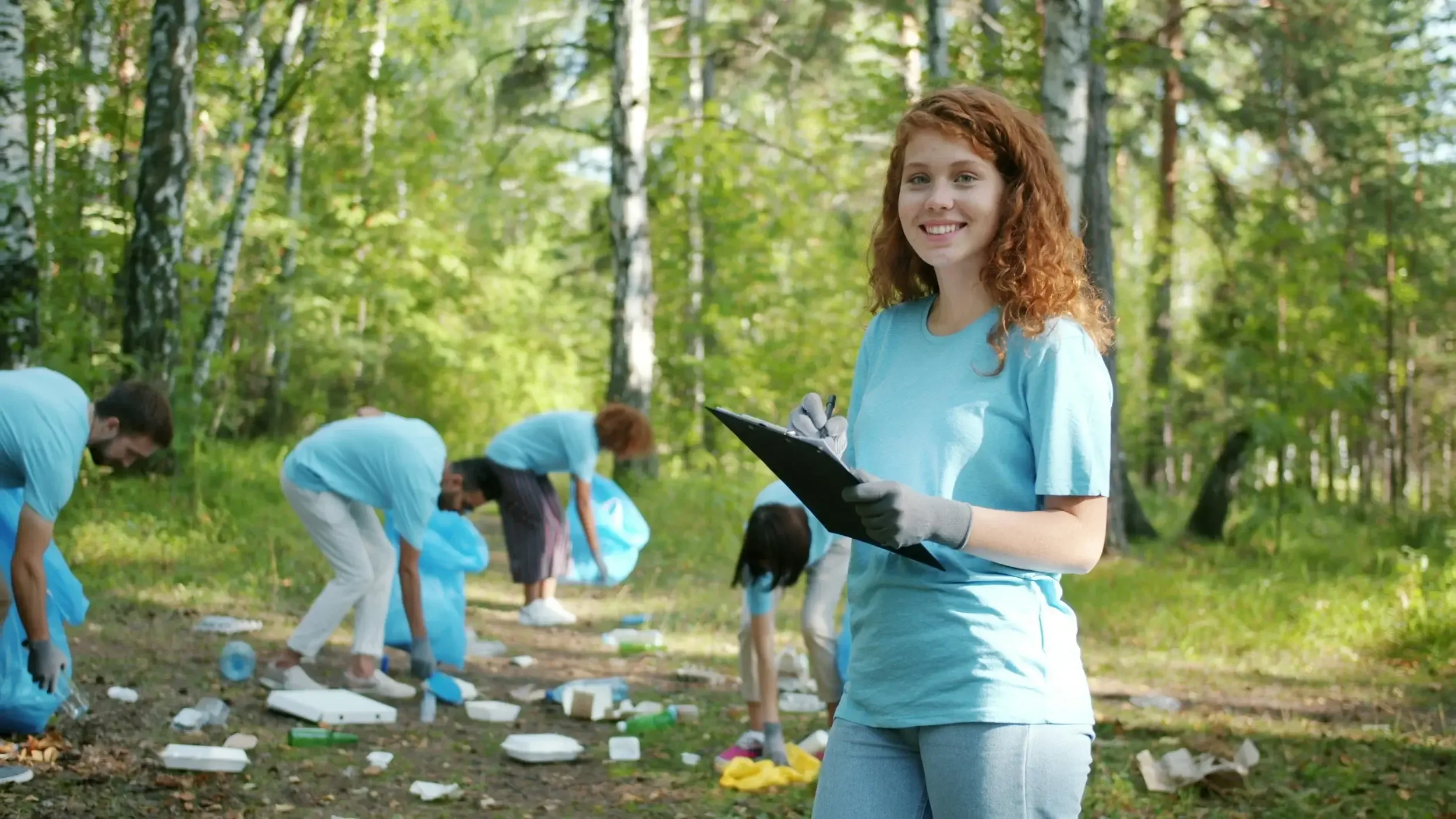
Working together to meet a need or solve a problem in the community is one of the best after-school activities for teens to develop both personal character and social skills.
Speaking of social skills, there are several activities particularly well suited for kids and teens to connect with one another, develop social skills, and build friendships. Some of these (like community youth groups, religious youth groups, or scouts) are groups built around a particular set of shared activities that can be chosen to suit a child’s interests and help them build affinity with others who share that interest. Others (like volunteering, community service, or fundraising) connect young people with the greater community and can help them develop ethics and character with others who share their passions. Still other activities (like model U.N., student government, or community organizing) give teens the opportunity to work alongside their peers and practice negotiation, public speaking, and leadership skills. All these activities help kids and teens to develop key social skills like empathy, compassion, perspective-taking, and appreciating people from different backgrounds and cultures.
Independent After-School Activities for Teens and Kids Who Like “Alone Time”

Creative writing is just one example of after-school activities for teens who are more introverted.
Many teenagers aren’t inclined to spend their precious after-school time interacting with people and draining their social battery even further. But there are plenty of enriching activities for teens and kids to participate in that don’t involve big groups or talking to people. Some activities (like puzzles, reading, or video games) can be pursued individually, with small groups of friends, or, when they’re comfortable, in larger-but-still-quiet groups. Others (like creative writing, photography, or visual arts) can also be taught by experienced adults or older teens, giving introverted kids a chance to progress their skills, work towards mastery, and develop a growth mindset. While they might not be as loud or exciting as other activities, all of these independent activities help kids pursue their interests, connect with others who share them, and develop important skills, like writing, artistic composition, or strategy.
Creative After-School Activities for Kids and Teens Who Don’t Fit In A Box

Theater is a popular after-school activity for kids because it appeals to so many different interests: creative, social, and physical.
We hope these categories can help you weigh the options for your child, whether they’re suited to social team sports or independent coding projects. But many after-school activities don’t neatly fit into any of these categories (and some of the ones we listed were tough to place as is)! Dance, from ballet to hip-hop, has a clear physical element, but dancers spend just as much time practicing alone as they do together. Marching band, though it’s a fairly social activity, has the very literal physical component of marching alongside the more mental component of playing a musical instrument. Theater, whether in the community or at school, spans the spectrum of physical and mental, with additional creative and social elements sprinkled in. Similarly, Dungeons & Dragons, and other games where you take on the role of a character in a group, give the opportunity for independent creative writing and character art outside of sessions, the opportunity for building social and leaderships skills in session, and help kids and teens develop their mental aptitude for math, strategy, and making logical decisions.
What is the Best After-School Activity for Kids and Teens?
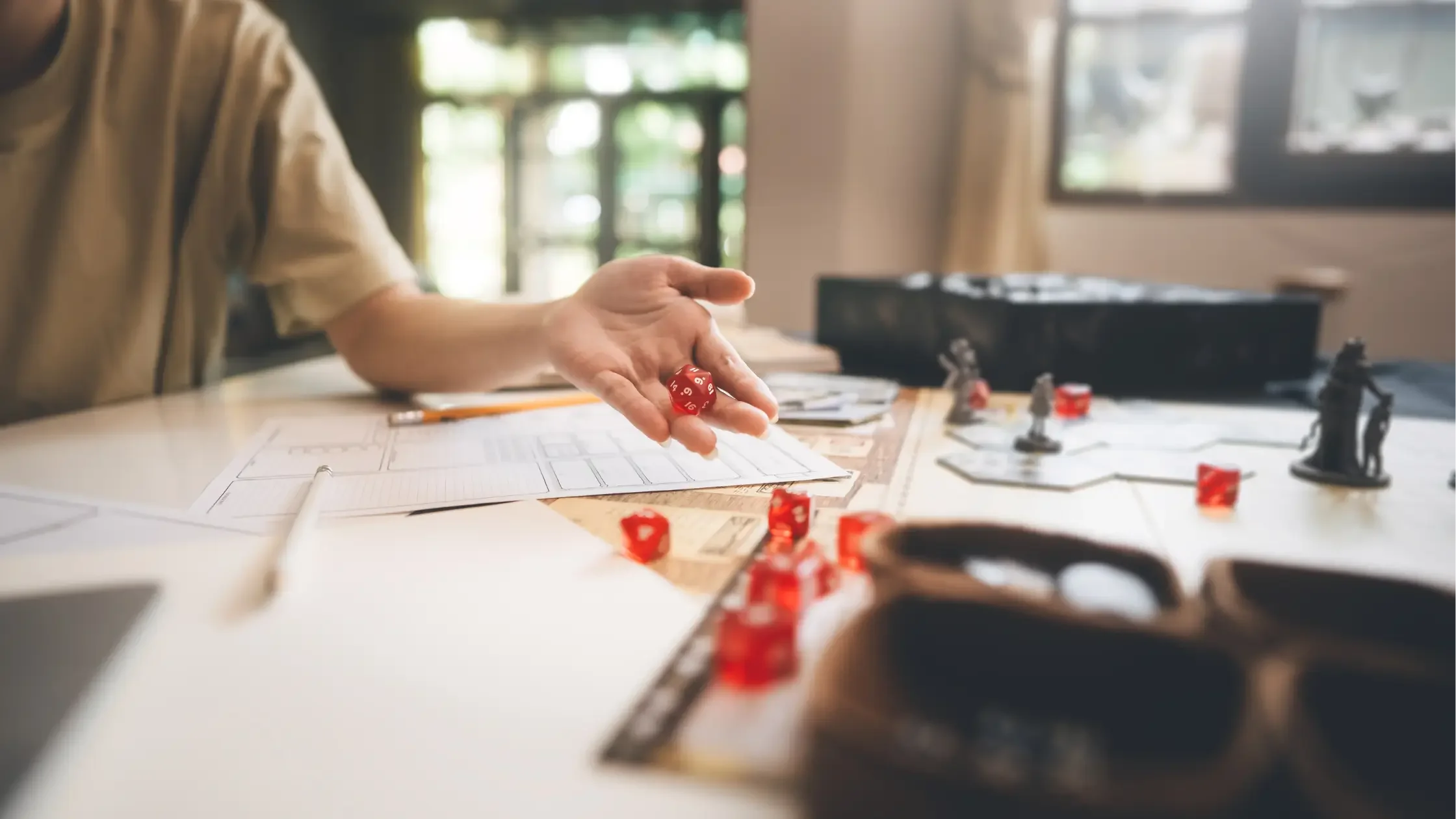
Dungeons & Dragons is one of the best after-school activity for teens to develop social skills, practice creative storytelling, and challenge their minds.
While there’s no singular “best” activity to do after-school, roleplaying games like Dungeons & Dragons are an ideal choice for many kids and teens. While it’s a stereotypically (and proudly!) nerdy game with battle maps, strategy, and dice rolling, it’s one that’s played by many famous “jocks,” like Vin Diesel, Joe Manganiello, and Tim Duncan. It has those strategic mathematical elements, but there are also plenty of opportunities for creativity. It’s a game where you tell a story, after all! We’ve seen kids and teens of all kinds of temperaments, play styles, and walks of life in our games, and nearly all of them connect instantly with this unique, creative, and fun after-school activity. We run online games of Dungeons & Dragons for tweens and teens, placing players in groups with similar ages, play styles, and preferences and matching them to professional experiences adult facilitators who work to accommodate their support needs, build an ideal gaming experience, and support them in their social development. If you’re curious about our games, learn more or join the waitlist below!