
The Best Activities for Kids with ADHD (That Actually Work)
If you’ve ever signed your child or teen up for an activity that looked perfect on paper, only to watch them struggle to find their place, you’re not alone.
Extracurriculars can be a great way to burn energy, make friends, and build focus, impulse control, and confidence.
But the “obvious” choices, like team sports or unstructured social clubs, aren’t always the best fit for ADHD brains. Kids can end up overwhelmed, under-stimulated, or checked out.
The best activities for kids with ADHD play to their unique strengths. They combine creativity, movement, novelty, and structure to keep kids engaged and help them level up new skills.
In this guide, we’ll talk about what actually works for ADHD brains, and how to find the right fit for your child.
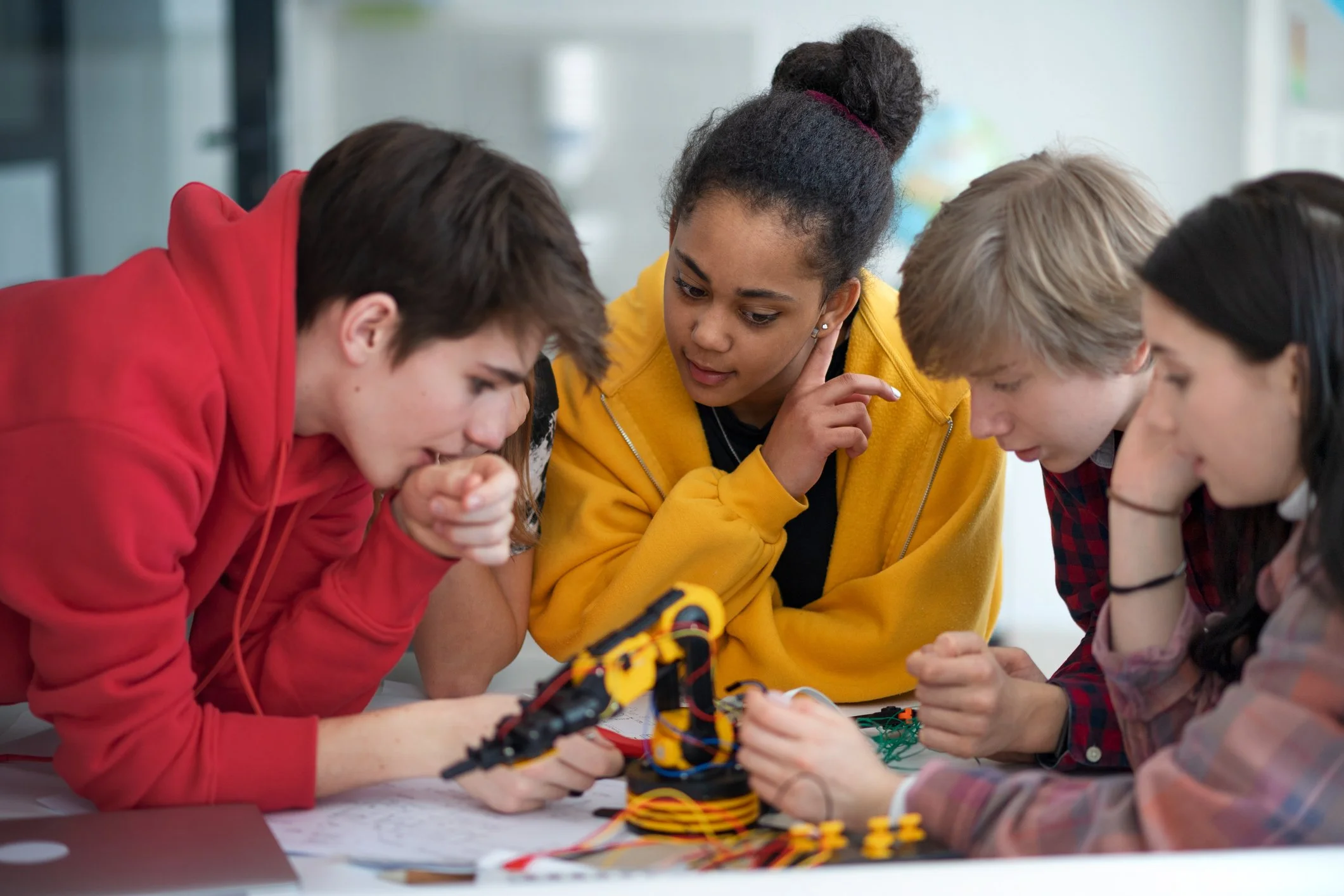
Why Some Popular Activities Don’t Work for ADHD Kids
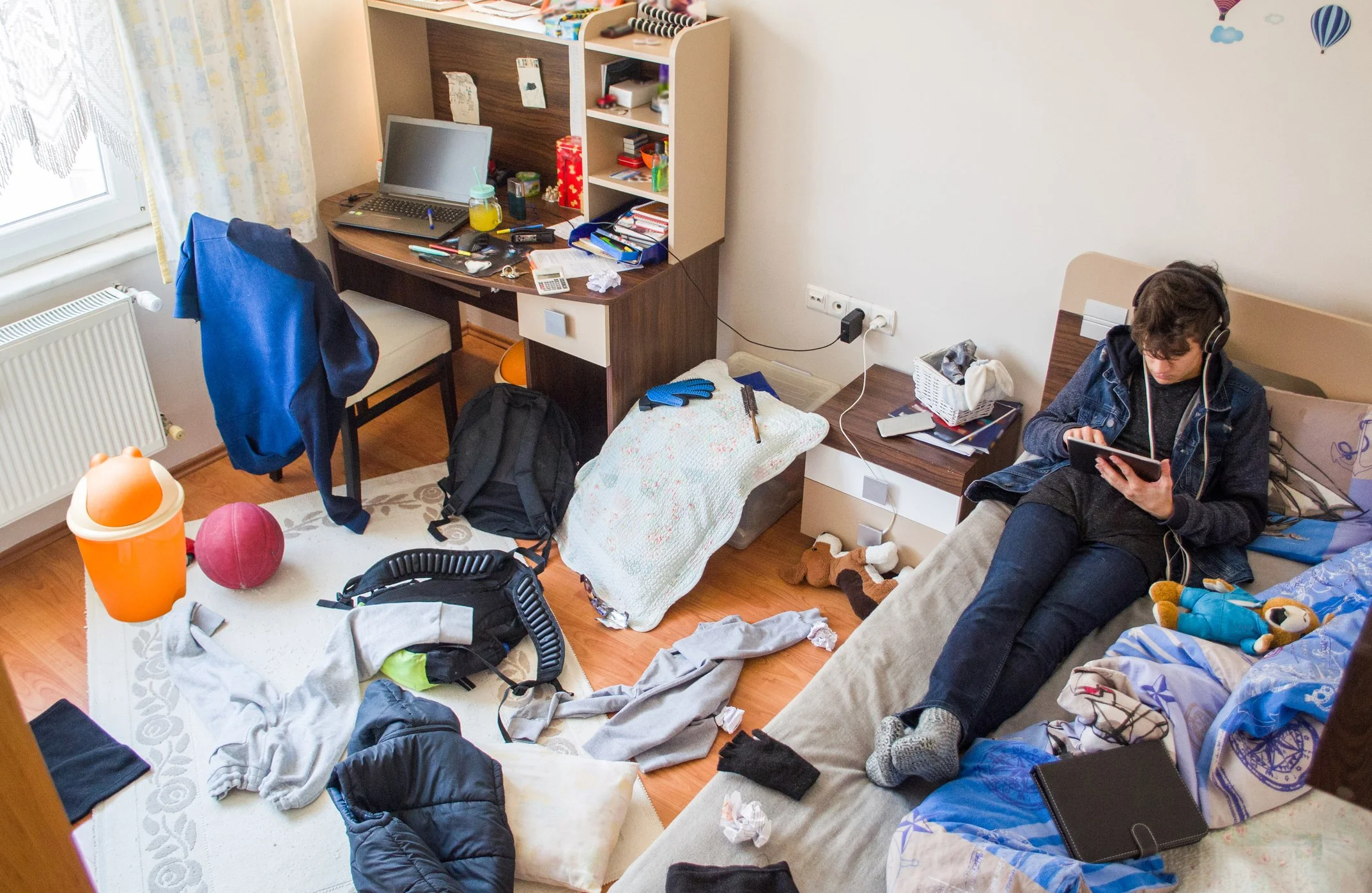
There’s no shortage of extracurricular activities out there, but most of them were designed with neurotypical kids in mind. Sometimes, the very things that make an activity fun for other kids can make it feel overwhelming, socially tricky, or just plain boring for a child with ADHD.
You might notice this with activities like team sports, lessons that require lots of rote practice, or hobbies requiring intense concentration, like chess or coding. These can be great fits for some kids, but for others, they’re a lot to handle, especially after a long day at school.
Of course, every child is different. But here are a few common pitfalls to watch for:
Overly competitive environments can be tough for kids who are sensitive to failure, fairness, or rejection
Unstructured groups are challenging for kids with executive functioning difficulties
Overly strict or micromanaged activities can stifle a child’s natural creativity and autonomy
Overstimulating environments with lots of movement or multi-step directions can make focus even harder
Sometimes, quantity matters just as much as quality: ADHD kids are working so hard to hold it together at all day, that by the late afternoon they may need more time to decompress.
So, what does work well for the ADHD brain? Let’s take a look.
What Actually Works: 5 Key Ingredients
Activities that work well for ADHD kids and teens tend to share a few key qualities:
Flexible Structure
Clear rules, predictable routines, and built-in turn-taking help kids to participate and remain engaged, as long as they still have some freedom to make their own choices.
Creativity & Novelty
ADHD brains crave novelty, and many neurodivergent kids have phenomenal imaginations. They tend to thrive (and focus more deeply) when given opportunities to express their ideas and think outside the box.
Supported Social Interaction
Many kids and teens do best socially in smaller groups with some level of adult guidance. A little structure and mentorship can go a long way in helping kids read social cues and feel a sense of belonging.
Built-In Skill Practice
The best activities build on a child’s interests to naturally develop skills like emotion regulation, impulse control, and frustration tolerance in a way that doesn’t feel like work.
Movement
Physical activity is one of the most effective and natural ways to support ADHD brains. Even small amounts of movement can improve focus, mood, and regulation.
With those qualities in mind, here are some activities for kids with ADHD that tend to work especially well.
The Best Extracurriculars for Kids with ADHD
I’ve compiled this list of ADHD-friendly extracurriculars based on academic studies, reports from parents on Reddit, and my own personal experience as a therapist and founder of a neurodivergent-affirming online program for kids.
Sports and Physical Activities
We know that exercise doesn’t just help ADHD kids burn off energy—it releases neurotransmitters that can immediately boost your mood, and even improve executive functioning over time. This is especially true for “open skill” sports where players have to make quick decisions, respond to teammates, and move in unpredictable ways, like basketball or soccer. However, many families with younger children find that they do much better in individual sports, which aren’t as overstimulating or competitive, such as:
Gymnastics
Martial Arts
Horseback Riding
Parkour or “Ninja Warrior”-style activities
Swimming
Wrestling
Rock Climbing
Ice Skating
Trampoline Parks
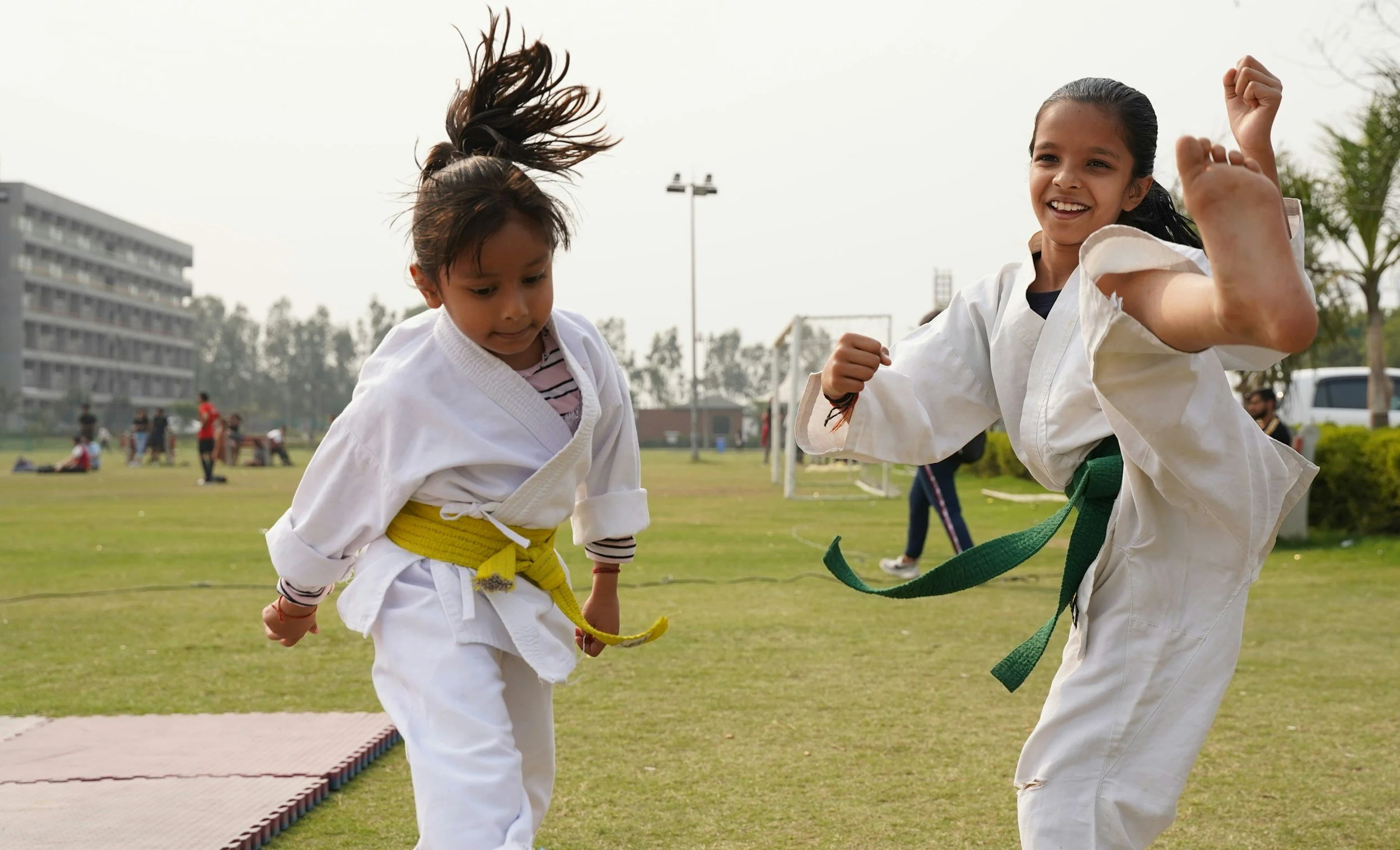
Martial arts, in particular, have been researched and shown to have benefits for ADHD kids. Activities like judo, karate, and tae kwon do can improve coordination, increase mindfulness, and improve executive functioning skills. Team sports can also be great activities for ADHD children, especially if you have a supportive coach. However, due to their willingness to take risks kids with ADHD may be more prone to injury than their neurotypical peers, so keep this in mind!
Social and Interest-Based Activities
Many children with ADHD join extracurriculars in the hopes of meeting friends. Sadly, we know this is an area where many ADHD children struggle. Despite their many strengths like creativity, humor, and empathy, they often have a hard time following the social rules needed to make and maintain strong friendships. Choosing an extracurricular that gathers kids around a shared interest is an amazing way to help your child find “their people” and connect with kids with whom they already have something in common. Consider activities like:
Robotics and STEM clubs
Environmental clubs with youth chapters
Cooking classes
4-H clubs
Supportive athletic programs like Girls on the Run
Gaming or Esports clubs (with moderation)
Improv or comedy classes
Meetups or conventions based on a shared hobby or fandom
Dungeons & Dragons or other tabletop roleplaying game groups
When choosing a group, keep in mind that smaller is usually better for kids with ADHD, and activity-based groups tend to work better than open-ended free play. If there’s some level of adult support or facilitation to make sure no one gets lost and everyone feels included, even better.

Creative Arts Activities
ADHD children are often exceptionally creative. Research has shown that they tend to be more skilled than their peers when it comes to divergent thinking, meaning they can easily come up with original ideas and unexpected solutions to problems. Kids can put these skills to good use in the creative arts, which feature the added benefit of being great for emotional expression and finding community. Your child might enjoy:
Community or Children’s Theater
Maker Spaces
Painting
Pottery
Photography
Dance Classes
Music Classes
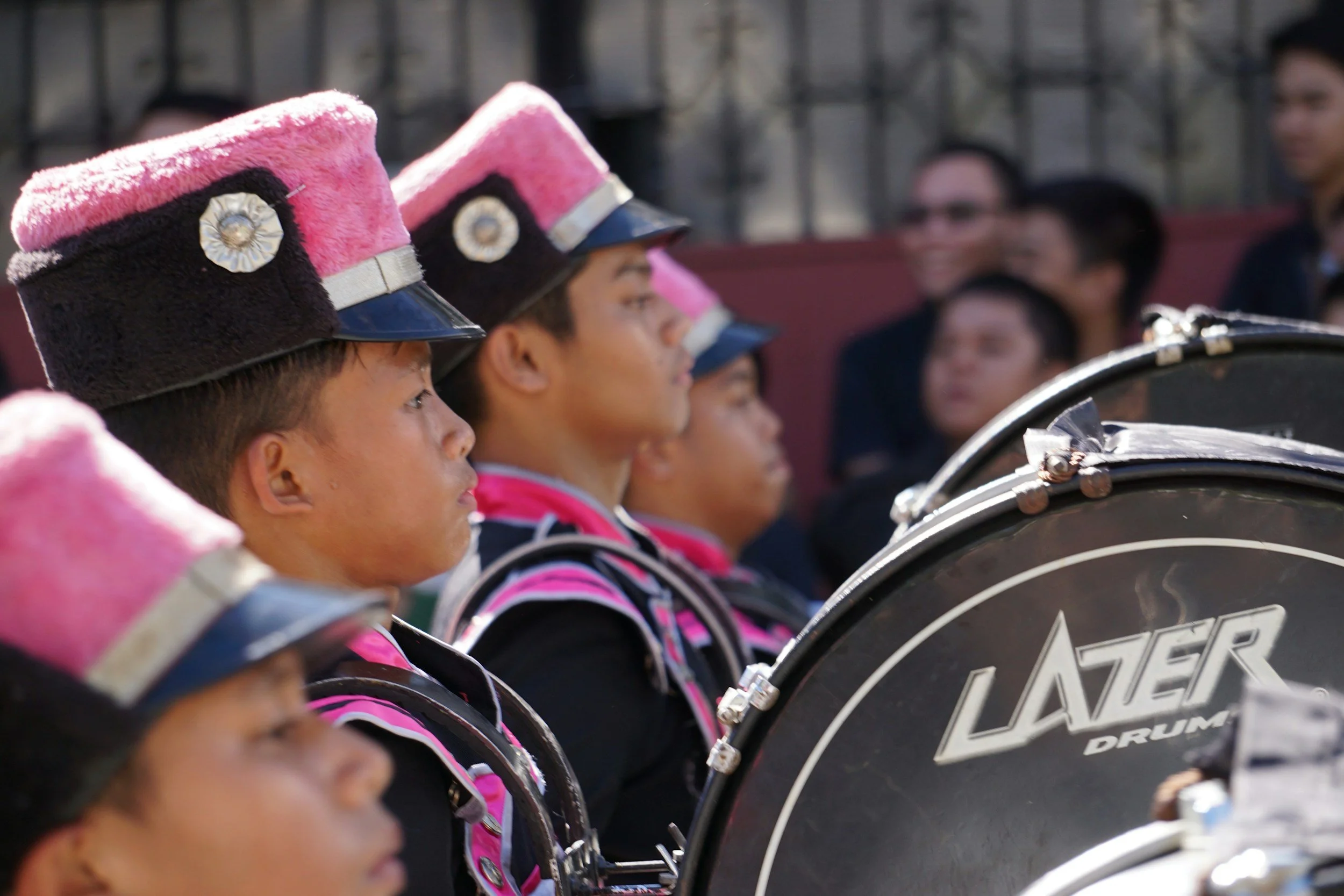
Marching Band or Drum Corps (more physically engaging than orchestra)
Chorus or Voice Lessons
When considering options for your child, be mindful of activities that are audition-based: if your child struggles with rejection sensitivity, competition, or disappointment, these may be a more challenging choice.
Why Dungeons & Dragons Works So Well for ADHD Kids
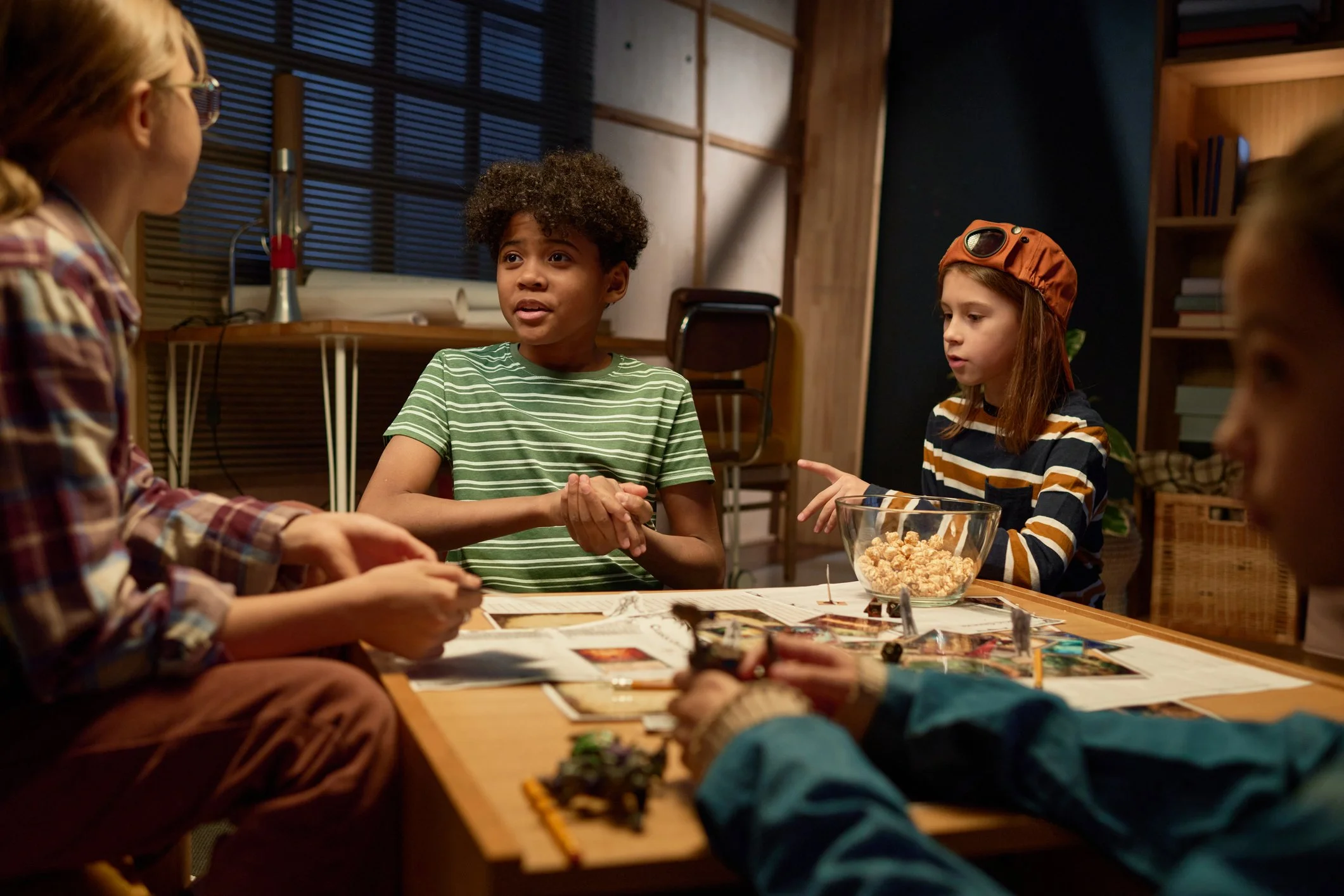
Since we run online D&D games around here, I may be a little biased about the benefits of Dungeons & Dragons. However, we’ve seen many neurodivergent kids thrive in our program over the years. Whether you’re playing in-person or online in a program like ours, D&D can check off a lot of the boxes needed to make an activity ADHD-friendly.
At its core, D&D is a collaborative storytelling game where kids work together to solve problems, go on adventures, and build a shared world. It’s a much more analog experience than playing a video game, and can be a great way for kids who love video games to stretch themselves and try something new. And, because of the way it’s structured, it naturally plays to the strengths of ADHD kids while supporting the skills they need to work on.
It offers flexible structure.
We know that routines and structure are key for helping ADHD brains stay on task…and yet, ultra-structured environments often feel stifling, boring, or frustrating for kids whose brains are naturally so creative. The rules of D&D are clear and predictable, making it easier to figure out how to engage appropriately with your fellow adventurers. They’re also applied equally to everyone, which is helpful for those with justice sensitivity.
However, within the structure of the game, players have the freedom to do whatever they want with their individual character! Your actions directly affect what happens next in the story, adding an element of novelty and unpredictability to the game that can help ADHD players stay invested in the story. In fact, the out-of-the-box thinking ADHD kids are known for comes in really handy in D&D.
It rewards creativity and unique ideas.
I mentioned earlier that kids with ADHD are often incredible idea generators and creative problem-solvers, and that’s exactly what D&D calls for. Players regularly face open-ended challenges with no single “right” answer. Sure, you could attack a group of goblins head-on, but you could also befriend them, sneak past them, distract them, or even try to convince them you’re goblins, too.
Over the years, I’ve heard some truly unforgettable stories from kids in our groups. We’ve had players summon an army of beavers to take down a windmill. Others have convinced a villain to go to therapy to better understand their need for violence. In one memorable session, instead of fighting the final boss, two players got creative: a genie shrank into a ring, a wizard launched it high into the air, and at just the right moment, the genie burst out as a giant ape and came crashing down onto the villain from 90 feet above.
As you can imagine, if you’re the kid in your game group who possesses the superpower of creative thinking, you will be valued and celebrated by your peers! Which brings me to my next point…
It encourages friendships.
When you join a D&D campaign, you create a character with specific skills and abilities. You might be the healer, the warrior, or the wizard who possesses magical knowledge. Everyone has an important and needed role to play in the story. Players jump straight into a shared activity with clear goals, where everyone has a job to do, bypassing some of the initial awkwardness of meeting new peers.
D&D is typically played in small groups (our games include no more than six players), which can help limit overwhelm for sensitive kids. Each game is led by an adult facilitator, often called a Dungeon Master or Game Master, who guides the story and helps keep the group on track. The game is collaborative rather than competitive, and players need to listen to each other, support one another, and work together to achieve a shared goal. This creates a strong sense of camaraderie, turning strangers into friends surprisingly quickly.
It builds skills without feeling like work.
While they’re playing the game, kids naturally practice skills like impulse control, teamwork, problem-solving, and perspective-taking. Every dice roll is an opportunity to practice frustration tolerance: it’s not always going to go your way! Because kids are invested in the story and feel needed by their peers, they’re often more motivated to stick with challenges and work through frustration. After all, who’s going to heal the party if they leave early?
Research suggests that roleplay, including roleplaying games, are a highly effective way for kids with ADHD to learn and practice new skills. The abilities kids develop together in D&D don’t just stay at the table. They can carry over into everyday life, leading to meaningful real-world gains.
Find the Right Fit for Your Child or Teen
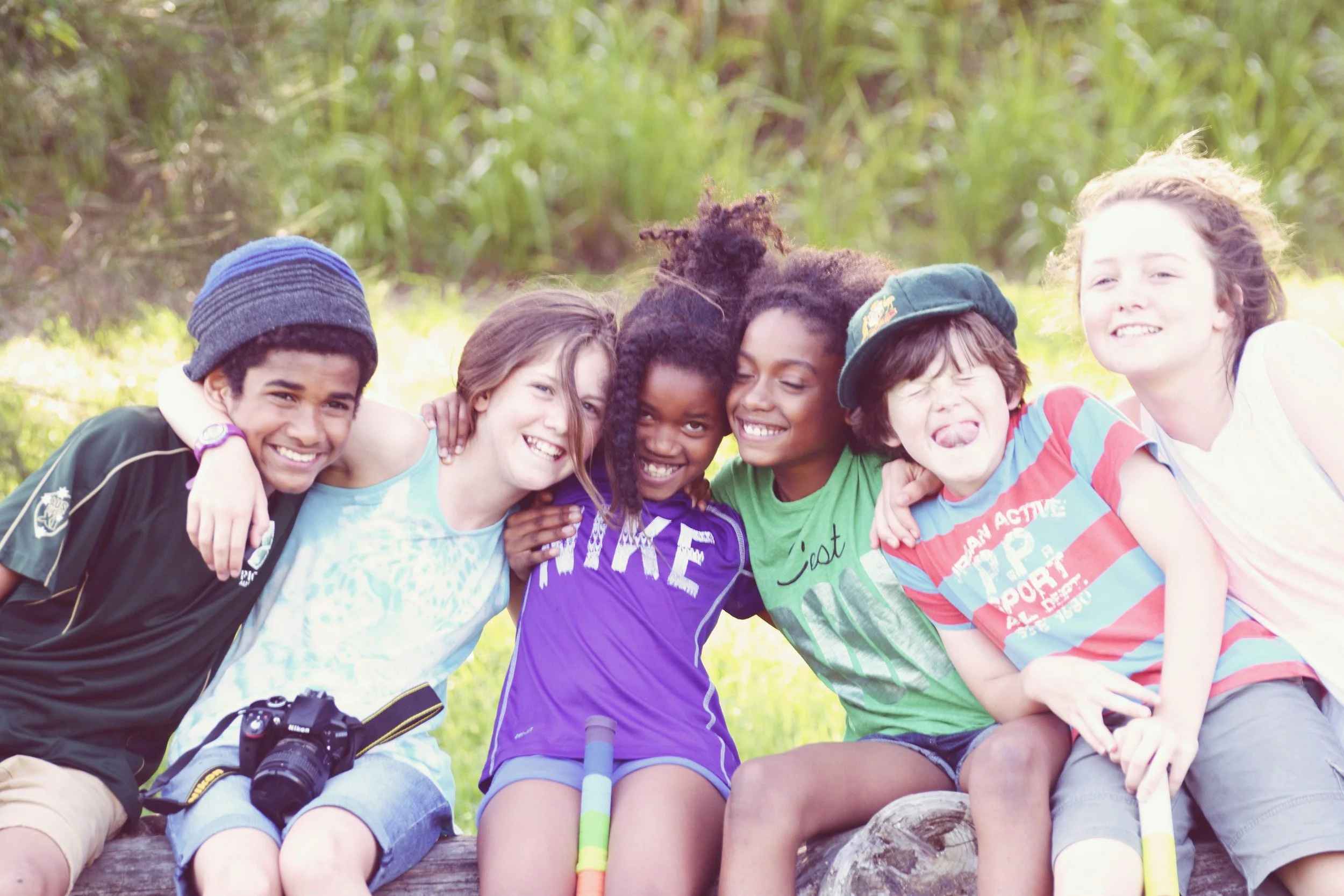
If you’ve been searching for an activity where your child with ADHD can feel confident, connected, and genuinely excited to show up each week, Dungeons & Dragons might be worth a closer look.
At Young Dragonslayers, we offer small, facilitated D&D groups designed specifically for kids and teens. Our experienced adult game masters create a supportive environment where players can build friendships, practice social skills, and grow in confidence, all while having fun in an immersive adventure tailored to their unique interests.
Frequently Asked Questions
-
Kids with ADHD tend to do best in extracurriculars that offer structure, a shared activity, and small groups with adult moderation for added social support. Regular physical activity is key for managing symptoms, and activities that provide an outlet for creativity and out-of-the-box thinking can help ADHD kids shine.
Consider solo sports like karate and gymnastics, creative arts activities like pottery and marching band, and small, interest-based group activities like 4-H or Dungeons & Dragons clubs.
-
It can be a challenge to find indoor activities for kids that aren’t passive screen time. Consider sensory activities (like kinetic sand or slime), movement activities (freeze dance or YouTube yoga videos), and hobbies like lego, baking, and model building. Of course, we’re also a big fan of game nights!
-
Activities that involve movement or sensory input are known for helping ADHD kids to focus. This includes sports like martial arts and swimming, as well as craft and sensory play activities like kinetic sand, clay, water play, and painting.
-
ADHD traits like impulsive behavior and difficulty listening can sometimes make friendships challenging. You can help your child by coaching the before and after social interactions, making unspoken social rules and norms easier to grasp. Kids with ADHD also tend to shine in small, structured, activity-based clubs or groups, especially those built around a shared interest.
-
Generally speaking, structured activities tend to work better for ADHD kids. However, too much structure can backfire: kids need to feel like they have some autonomy to do their own thing. Look for groups where kids are kept loosely on track with a clear objective, but have some freedom in how they go about the task.
-
Yes! We certainly think so. The semi-structured, small-group setting provides social support for kids looking to make friends. It’s also an activity that caters to ADHD kids’ strengths, like creative thinking and deep interests, while providing opportunities to practice skills like turn-taking and teamwork.

About the Author
Katie Lear, LCMHC, RPT, RDT is a counselor, drama therapist, and play therapist specializing in childhood anxiety. She received her Master’s in Mental Health Counseling from Brooklyn College in 2014 and worked with children in community mental health settings in New York City before opening her own private practice. She is also the founder of Young Dragonslayers, an inclusive, neurodiversity-affirming online D&D program for kids and teens.