

How To Help Your Anxious Child Make Friends
Many kids have trouble making friends these days, especially those who have social anxiety. Kids with social anxiety can get into bad habits that make building friendships difficult. This, in turn, leads them to avoid making friends altogether, which deprives them the opportunity to practice social situations. And each time an anxious child avoids a social situation, their social anxiety gets worse. This is often called the cycle of avoidance (which we covered in this article) This is part of why it is so critical to find activities that will help your child make friends. However, many activities just aren’t designed for anxious kids. Luckily there has been a substantial amount of research on how to help these kids, and I’m here to break down what scientists have found is most helpful for kids with social anxiety to make friends.
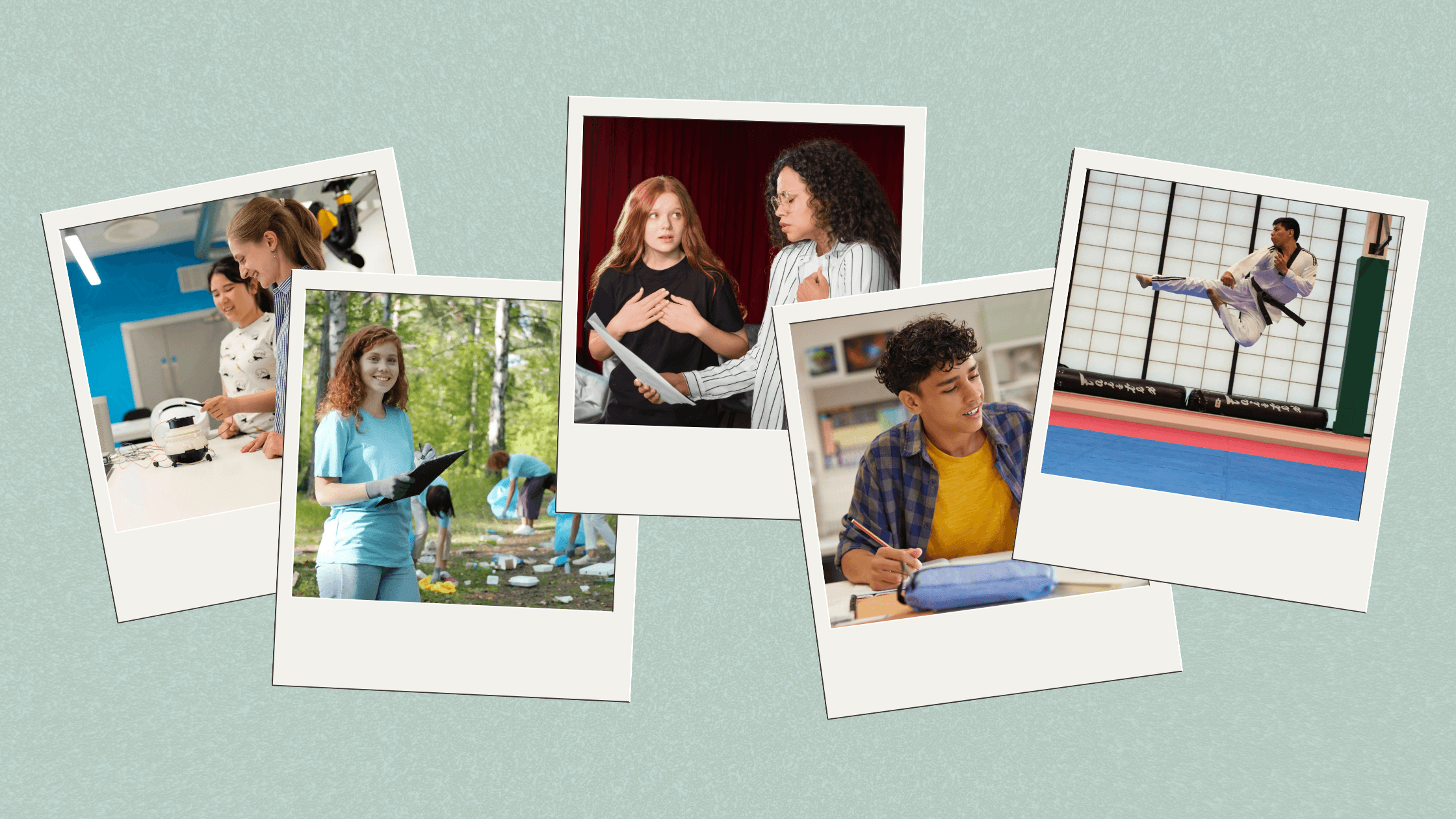
The Five Types of After-School Activities for Kids and Teens
The start of the school year brings an abundance of potential after-school activities for kids. From running drills on the basketball team to soldering chips in the robotics club, kids and parents have to choose from a seemingly overwhelming number of options. That leaves parents wondering. What activities do you do after school? What is the most popular after-school activity for teens? And, of course: what are the best after-school activities for kids? We’re a group of therapists, educators, and parents who work with kids and teens, and we can tell you the most important thing to keep in mind when picking an after-school activity; Every kid is different, so their activities should be too! So we broke down the wide variety of after-school activities into five approximate categories to help you narrow down your options and find the perfect activity for your child.
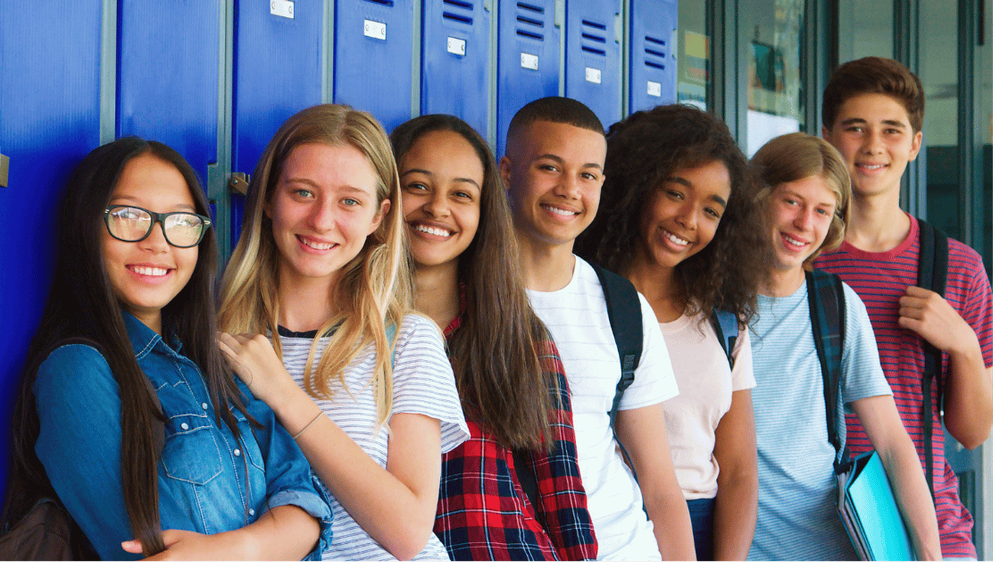
How To Help Your Child Make Friends At School This Year
With the impacts of the loneliness epidemic looming large, the relative well-being of young people sitting at a record low, and COVID-19 pandemic causing significant loss in social-emotional development for youth, making friends as a young person has never been more important (or more difficult) than it is right now. Parents are acutely aware of this fact and are wondering how to help children make friends at school. We’re a group of therapists, educators, parents, and healthcare professionals who work with tweens and teens. Our social-skills groups are designed to develop social-emotional learning and building friendships. Here are the strategies we have to share for your child making friends this school year.
What This Giant Harvard Study Has To Tell Us About Dungeons & Dragons For Kids
Harvard University, Baylor University, and Gallup teamed up to conduct the Global Flourishing Study, which collected data on over 200,000 people to “understand the conditions under which people, communities and cultures thrive.” They selected people from 22 different countries and with a wide variety of ages, then collected data on them for five years (and counting!) to get the most accurate picture of flourishing across the world and across a lifespan. While the study gave fascinating insights on a global scale, it also implied an unlikely source of flourishing for young people: Dungeons & Dragons. Here’s what it said.

How Special Interests Can Help Autistic Kids Make Friends (And When They Can’t!)
A key element of being on the autism spectrum, especially for kids and young adults, are special interests: intense fascinations for specific topics and atypical attachments to objects, concepts, or behaviors. While at one point, these interests were thought to be a negative symptom, psychologists now understand them as key to engagement and success – a definite strength! It has been clinically proven that engaging in these special interests is hugely important for autistic people’s wellbeing and happiness. But did you know the power of special interests can also be harnessed to help autistic kids to make friends? We run interest-based social-skills groups for neurodivergent and neurotypical kids and teens, and we’ve seen it happen! But we wanted to know why, so we did a deep dive into the research to find out how special interests work, the pros and cons of special interests in autistic children, and how to help use your child’s special interests to their social advantage.
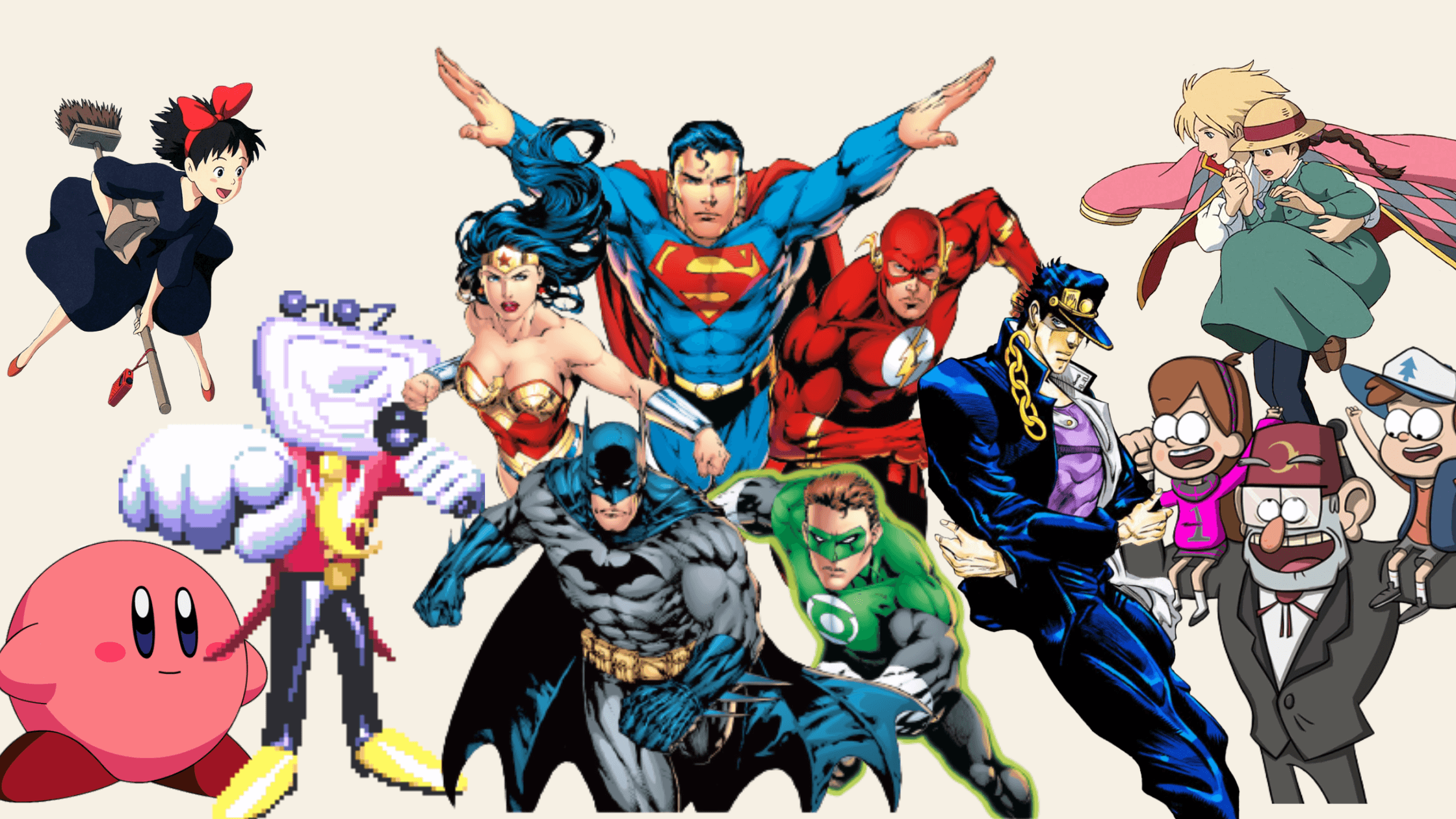
D&D Homebrew for All Your Favorite Fandoms (TV Shows, Movies, Books, and More!)
One of the best parts of Dungeons and Dragons is being able to change it however you want: adding DND homebrew classes, rules, even entire homebrew DND campaigns for sci-fi, superheroes, cyberpunk, and more! Here at Young Dragonslayers, we have a soft spot for homebrew DND fandoms: taking players’ favorite video games, books, movies, and more and bringing them into the game. We build our campaigns from scratch with elements like this, so we’ve shared plenty of our adaptations, homebrews, and suggestions over the years. For your perusal, we’ve pulled all of our fandom DND homebrew knowledge into one place, from superheroes to anime to science fiction!

When Online Friendships Are Real Friendships
Like it or not, we live in a digital age. Daily activities that used to be analog have now moved online: shopping for groceries, reading reviews, getting directions, watching movies, sharing art…but what about making friends? In a world where online friendships are becoming more and more common, many are wondering if online friends count as “real friends,” if online friendships are good or bad, and how one goes about making online friends. Young people living through the midst of the loneliness epidemic (and the parents who care about them) are especially curious. Is it normal for teens to have online friends? Are online friendships true friendships? If so, where can teens make friends online? All of us nerds at Young Dragonslayers have been online quite a while, and we’ve seen the good, bad, and ugly of digital connections, especially for the tweens and teens we work with. Here’s what we suggest to skip the surface-level connections, the sketchy strangers, and the ghost-happy anons and make true friends online, at any age!
D&D for Kids with Anxiety: Why Pretend Play Helps with Pressure
Anxiety is at an all-time high among children; since the pandemic, over 1 in 5 kids have high, clinical-level anxiety. Many elements of the modern world only contribute to children’s anxiety. With phones reducing connection, schools becoming more competitive, and AI looming overhead as an existential threat, it is no surprise that kids struggle with worry and fear. While a child’s anxiety may seem small now, it can easily become severe, as anxiety has a tendency to grow stronger with time.
Because of this high risk of severe anxiety, intentionally getting kids involved in activities that can help with stress is a top priority for parents. Activities that are social, creative, and provide a sense of accomplishment or mastery of new skills have been proven to have mental health benefits for children. One activity that is fun, engaging, and empirically proven to reduce anxiety is playing the game Dungeons & Dragons. We’ve seen firsthand how our groups can help kids face their fears, come out of their shell, and leave worry behind, so we looked into the research to see how exactly D&D helps kids with anxiety.
Young Dragonslayers Origins 2026 Wrap-Up
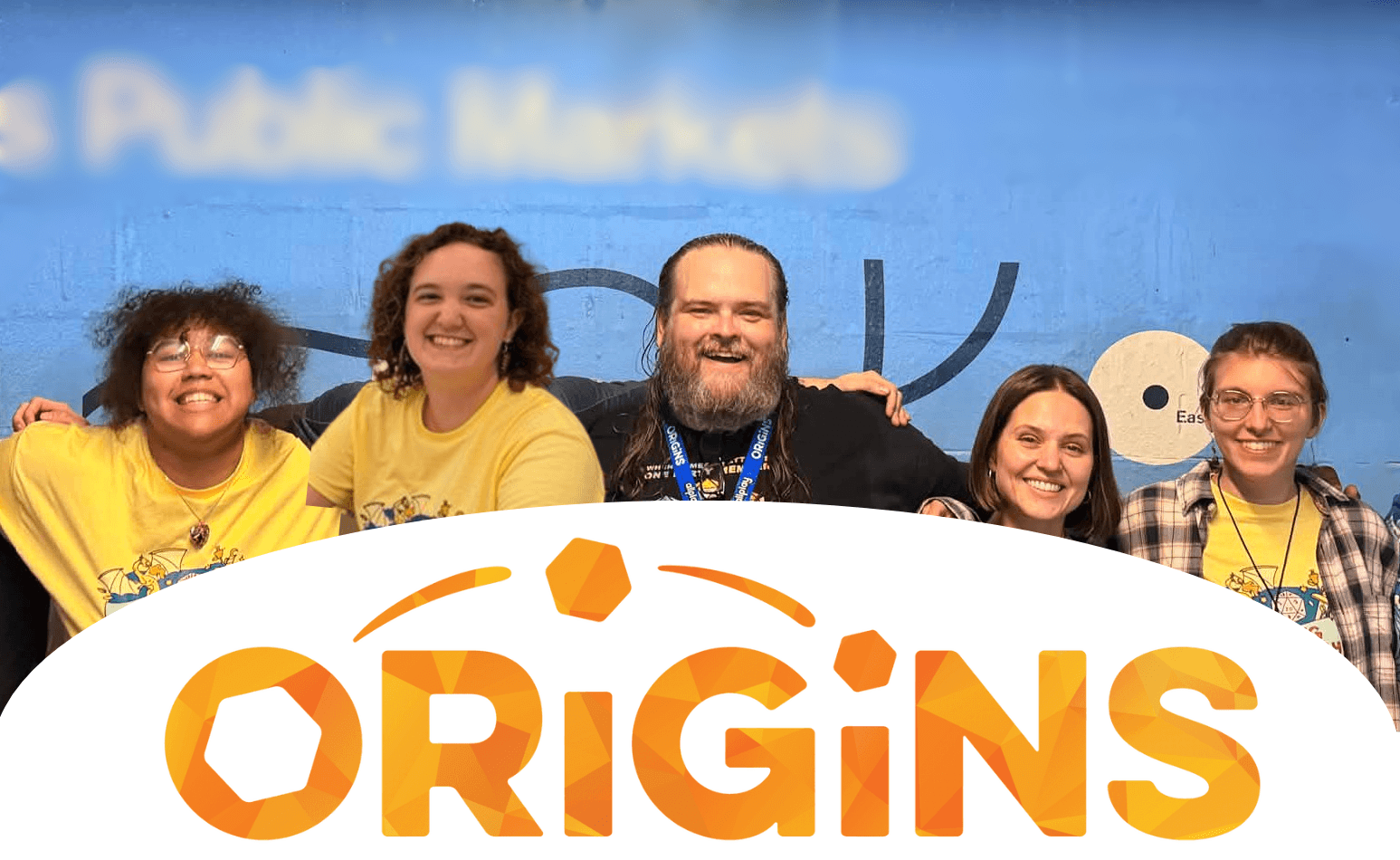
Last week, a record number of us at Young Dragonslayers went to Origins Game Fair, an annual tabletop-gaming convention in Columbus, Ohio, and the Game-Based Education & Therapy (GBET) conference-within-a-conference focused on the power of tabletop games as tools for learning, growth, and connection. We all had a blast – and did more than could possibly fit in a single blog post – but here are the highlights we wanted to share with the Young Dragonslayers community!
How Tabletop Roleplaying Games Can Help Your Kid With Frustration Tolerance
Frustration tolerance skills are some of the most challenging skills that children must develop to live happy, healthy lives. The world is a frustrating place, with so much out of our control (and what is under our control can still go wrong). Adults have the skills and knowledge to (sometimes) be able to handle these disappointments. Kids, on the other hand, are still developing the capacity to calm themselves down in difficult situations. We at Young Dragonslayers have found that tabletop roleplaying games, like Dungeons and Dragons, can greatly help build frustration tolerance in kids. Because it’s fun and engaging, they enjoy it way more than, say, a kids frustration tolerance workbook. But being fun isn’t enough to be a helpful frustration tolerance activity for kids. How is DND helping kids with frustration tolerance? We can show you.

Inside a Young Dragonslayers Game: A Behind-the-Scenes Look at One Session
At Young Dragonslayers, we run safe, inclusive, and fun online games of Dungeons and Dragons for tweens and teens. It’s basically the coolest job in the world. But when we tell people about what we do, they have a lot of questions. How does online DND work? What kind of preparation do you have to do for kids? What even happens in an online DND session for kids? Is it safe for kids to play DND online? So we decided to give you a peek behind the Game Master screen and give you a play-by-play of a single session, showing you all the details you might want to know.
A Research-Based Guide for Activities to Keep Your ADHD Child Busy
It can be difficult to find stimulating activities for kids with ADHD to keep busy. Those of us who work with children with ADHD understand how important it is to give them stimulating activities to keep them engaged and growing, but most extracurricular activities are made for neurotypical kids (and sometimes even exacerbate ADHD symptoms). Looking for activities meant for kids with ADHD can leave parents overwhelmed with what seem like a million contradicting opinions. The best way to cut through all this noise is to look into actual professional research being done on ADHD. While there’s no one-size-fits-all activity when it comes to kids (especially kids with ADHD – there’s tremendous variation in kids’ symptoms, functioning, and preferences), research shows four key factors that make up a good activity for children with ADHD. Here are our recommendations of what to look for in activities for your ADHD child.
Meet the Dragons: GM Savanna
In the latest episode of Meet the Dragons, we take you behind the screen to meet Game Master Savanna – one of the kindest dragons you’ll ever meet! Savanna draws upon her experience as a school psychologist to create inclusive and affirming spaces for teen players. Their games also feature some of the most gloriously unique premises around. Whether her players are members of a traveling futuristic circus or house pets fighting crime, her sessions encourage players to step into the spotlight, take creative risks, and express themselves. Listen to Game Master Jaclyn talk with them about how they integrate their counseling training into DND sessions, how they handle murder hobos, and more.

How Acting Can Help Your Child Grow
It can be difficult to find fun activities for your kids that help them grow and develop. Many activities these days have become overly competitive and stressful for kids. But acting remains a healthy, fun, and accessible activity for kids. Acting is also used in many therapeutic techniques and has been shown to be very effective in helping kids grow. While your kid doesn’t need to become a professional actor to grow up, adding some acting as an extracurricular activity can help them as they navigate their development.
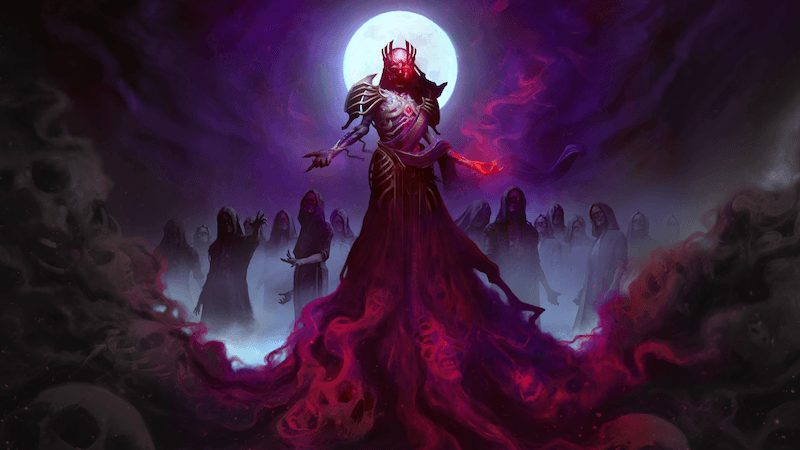
D&D Boss Stories of Hilarious BBEG Takedowns
In the world of Dungeons and Dragons, bosses (a.k.a. BBEGs, Big Bad Evil Guys) are the grand finale of a campaign. After weeks of fighting their way to the top, the party is all leveled up and ready for an epic battle. Some of the best, most epic DND stories are these boss battles, when the characters get to use their wildest spells and most powerful abilities. We’ve been running games at Young Dragonslayers for over five years now, and we’ve got the zaniest, most creative players in the world: tweens and teens! We’ve collected some of our favorite DND BBEG stories to share, from fighting an anime vampire to playing darts with Vecna.

A Girls Guide to Dungeons and Dragons
We all know the stereotypes. DND is male dominated. Female or nonbinary players will have to fight to be taken seriously or be bullied out of the group. And we won’t lie to you, there are definitely places where this is true. But there are plenty of queer people and girls playing DND, and the hobby is changing for the better. Now, the world of Dungeons and Dragons is as inclusive as it’s ever been, and there are plenty of places to find safe DND games for girls and nonbinary players. We’re a crew of professional Dungeon Masters from across the gender spectrum who have been in this hobby for years, and we pride ourselves in creating inclusive DND for all genders (and pushing back against sexism in DND spaces). Here’s what we at Young Dragonslayers have to share with any girls looking to play DND.
3 Signs You’re Raising a Dungeon Master
As parents, we all want our children to become their own people: individuals creating their path, learning their strengths, and pursuing their interests. But at the same time, we do hope they’ll share some of our interests as well, whether it’s playing basketball, reading comic books, or acting onstage. For myself and many other geeky parents, that interest is Dungeons and Dragons. Will my child one day join me in rolling dice, telling stories, and going on epic quests? Perhaps they’ll even grow to become the most revered of players: the Dungeon Master or DM. It’s in Tiny Dragon’s blood; they got two DM parents, three DM uncles and aunts, and a history of playing RPGs since the ripe age of one. And with so many Dungeon Masters in my life – from my friends and family to my awesome young DND players – I already know the signs.
Meet the Dragons: GM Liv
Welcome to the latest in a new series here at Young Dragonslayers called Meet the Dragons! Here, we take you behind the screen to meet the Game Masters behind our games. Today, we’re featuring Liv Larbi, a former middle-school teacher, a graduate student, a clinical researcher, and an escape-room enthusiasm. Liv is a pro at turning groups of excited, high-energy kids into cohesive adventuring parties. Her campaigns run the gamut from mild-mannered to gloriously chaotic, but they’re all warm, inclusive, and welcoming to players of all stripes. Game Master Jaclyn got to talk with them about the project-management of being a Dungeon Master, the community built over a campaign, and their love of telling stories through rolling dice.
How can Dungeons and Dragons Help Your Child Learn Empathy?
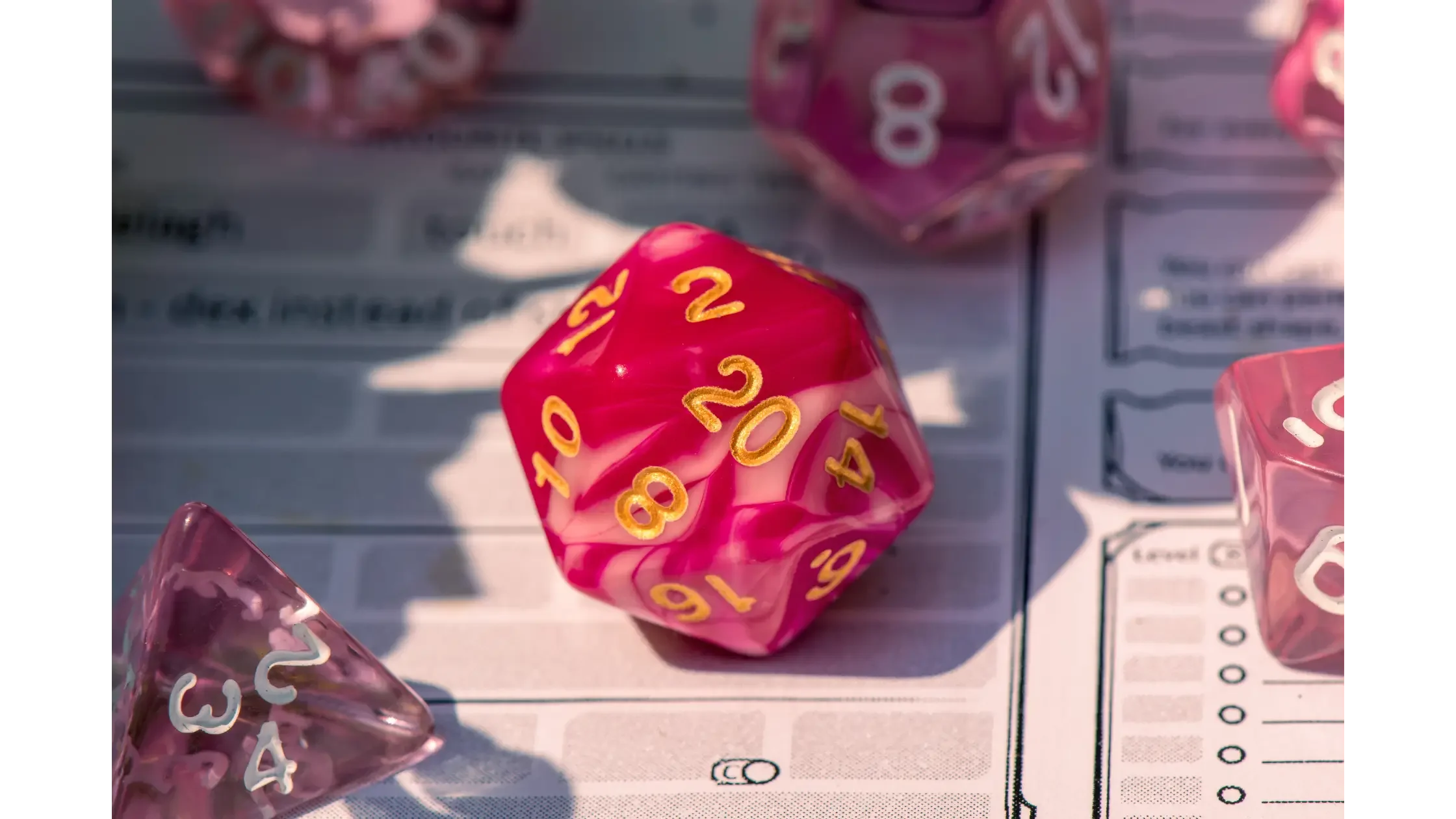
Many kids struggle with taking another’s perspective, understanding their emotions, and responding with compassion – in another word, empathy. This struggle was only exacerbated by the lack of social interactions during the pandemic. Many parents are searching for a fun, accessible way for kids to work on their empathy. Some have turned to roleplaying games like Dungeons and Dragons. But can these actually help your kids learn empathy? We’re a group of educators and therapists who have run hundreds of Dungeons and Dragons games, and we can say for certain that DND absolutely does help kids learn empathy. We have seen children take leaps in their ability to see things from another’s perspective, understand what others are feeling, and know how to act to make others feel better. But how does this actually work?

Hank Green’s ADHD Diagnosis Shows ADHD Teens They Can Thrive
Pelican fanatic and top-tier TikToker Hank Green is a powerhouse. He’s crafted a book series, a #1 app, two merch companies, a TikTok presence, an educational video nonprofit, an annual charity event, a popular online-video convention, a hit podcast for teens, and more. Hank Green also has ADHD. While going through items from his childhood, he found an old diagnosis that he shared in a video on his personal channel (My Childhood Learning Disability). In the video, he reflects on how he's been able to thrive with ADHD, his pride in who he is and how far he’s come, and the support that in his childhood that helped him get there. We work with a lot of teens with ADHD and autism, and we haven’t been able to stop thinking about Hank’s video since it came out. His career is a brilliant example of a boy with ADHD getting support, growing up, and doing amazing things, and it exemplifies some important truths about ADHD and the people who have it.