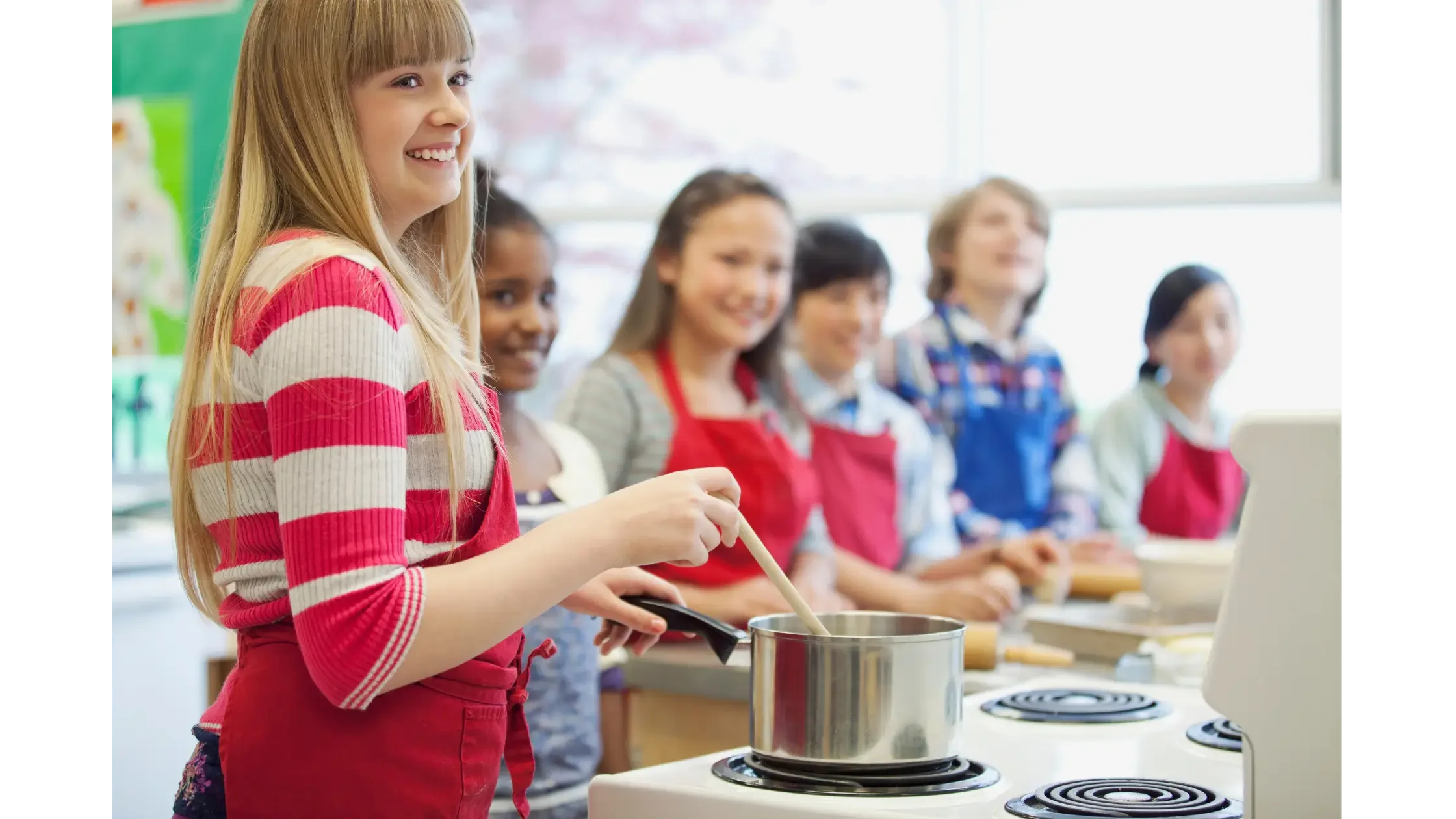
Some social activities for teens and kids are better at teaching positive social skills and interactions. Here’s how to find one that will work for your child.
Tons of parents out there are looking for activities for their kids to develop social skills. Whether they’re general social skills activities for teens and kids or specific activities for kids with social anxiety, it’s important to us that our children learn how to interact with their peers, regulate their own emotions, and deal with the messiness of being around other humans. But what kinds of activities actually work to do this? We’re a crew of therapists, educators, and others who work with youth to build social skills, and we’re here to share strategies to find activities that will help your children develop these essential skills.
Why and How to Help Kids Develop Social Skills

It’s important to have activities where kids develop social skills by interacting with their peers.
With the impacts of the pandemic and social media, young people are strongly affected by what the surgeon general calls an epidemic of loneliness and isolation. Their mental health is declining, and they’re falling behind in terms of their natural social development, lacking skills that are appropriate for their ages. When we talk about “social skills,” we mean more than simply being able to make it through a small-talk conversation or hangout with friends. We mean picking up on social cues, effectively communicating, and navigating the world and the people in it. Psychologists call this “socialization,” and it’s a process of learning that every child goes through as they start to understand themself as a person and the way they interact with others. Through this process, they build skills like impulse control, emotional regulation, conflict resolution, and empathy for others. By the time your children reach their teen years, they’re on to a new stage of development, “separation and individuation.” This is when children start to build their own identity and figure out who they are outside of their family of origin. Having peer relationships is an essential part of this, as is having the skills to navigate those relationships! And if our children don’t have places to practice these skills, they only fall further behind in their social development.
Social Skills Activities and Social Development
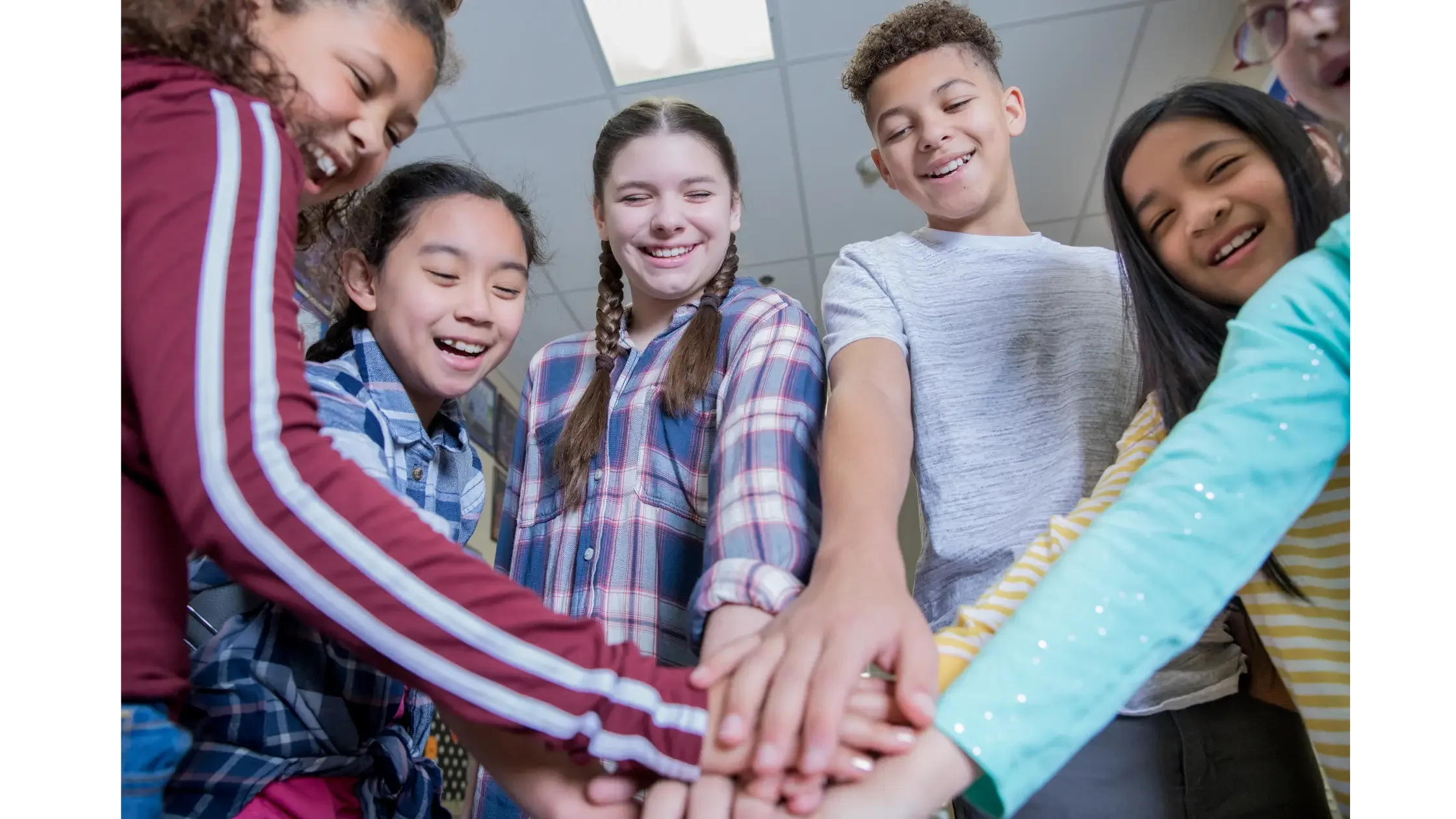
Ideally, activities for social skills development will strengthen the different types of social-emotional learning skills.
So what kinds of skills are necessary for a child’s social development? In the therapy world, we call these social-emotional learning skills, or SEL skills. According to the Collaborative on Academic and Social Emotional Learning (CASEL), there are five distinct categories of SEL skills. One is self-awareness; this includes understanding your feelings, knowing that you have the capacity to grow and change, and identifying the things that are important to you. Another is self-management; beyond just being aware of yourself and your emotions, this means being able to regulate these emotions, strategically plan particular goals, and motivate yourself to reach them. Related to pursuing goals are responsible decision-making skills, things like weighing the pros, cons, and consequences of choices, solving problems creatively, letting go of rigid thinking, and gathering facts instead of relying on emotions to make a decision. Moving outside of the self brings us to relationship skills, the things we need to form bonds with others, like leadership, standing up to peer pressure, and resolving conflicts in healthy ways. Finally there are general social-awareness skills that allow us to take other people’s perspectives, show empathy and compassion, and understand and recognize the value of other people, especially those that are different from you. None of these skills can be learned from a book; they all need to be practiced by being around other people: facing those conflicts, setting those goals, and seeing those perspectives.
Not All Social Activities for Kids are Created Equal
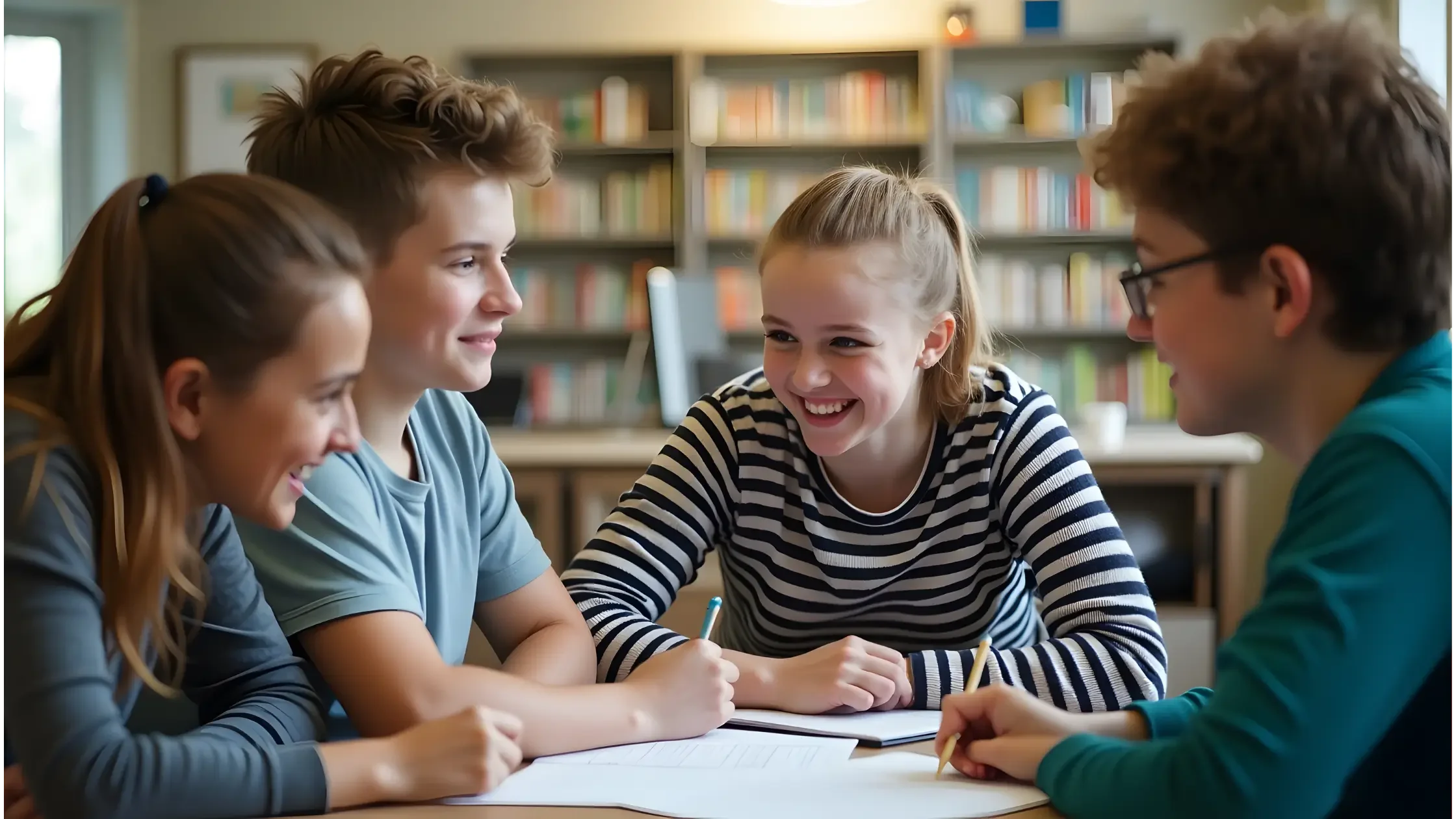
There are some pitfalls to be aware of when finding social skills activities for students
It would be a wonderful world indeed if we could just find activities our children enjoy and send them out into the world, confident that they would emerge with robust social skills, self-confidence, and social awareness. But building social skills doesn’t just magically happen; it takes time and effort, and there are a lot of elements that could potentially work against your child.
Groups that are totally unstructured can give way to chaos, leaving new kids stressed and unsure of how to navigate an already-existing social dynamic, leaving the kids to teach one another, which may not always make way for the lessons we’re looking for. If a group doesn’t have a culture and a priority of respect and kindness – or worse, if they are biased against certain identities and experiences – this may end up teaching your child the opposite of what you want, even giving them a blueprint for how to become the bully themselves. On the other hand, groups that are rigid and directed completely by adults can squash children’s creativity and deprive them of opportunities to build confidence and independence.
While groups that make space for more individual activities can be great educational opportunities, they won’t give your children the chance to actively participate in communication, discussion, and creative expression. And while competitive activities can help build grit and dedication, but more cooperative activities do better at building social connections and communication skills. Large groups can also be overwhelming and discourage building deep relationships, especially if they have inconsistent attendance, high turnover, or are structured as drop-in activities.
The adults present during these activities matter, too. If they’re just there to cover the basics, they won’t be stepping in to guide kids towards positive interactions, build up group norms around social behavior, or doing much beyond ensuring nobody’s breaking an arm. (This writer stopped pursuing social activities entirely as a child; completely unstructured activities with little adult supervision meant I had no idea what to do or where to go, and they let me be bullied so much by the other kids that I didn’t want to come back!)
Finding Good Social Skills Activities for Teens and Kids
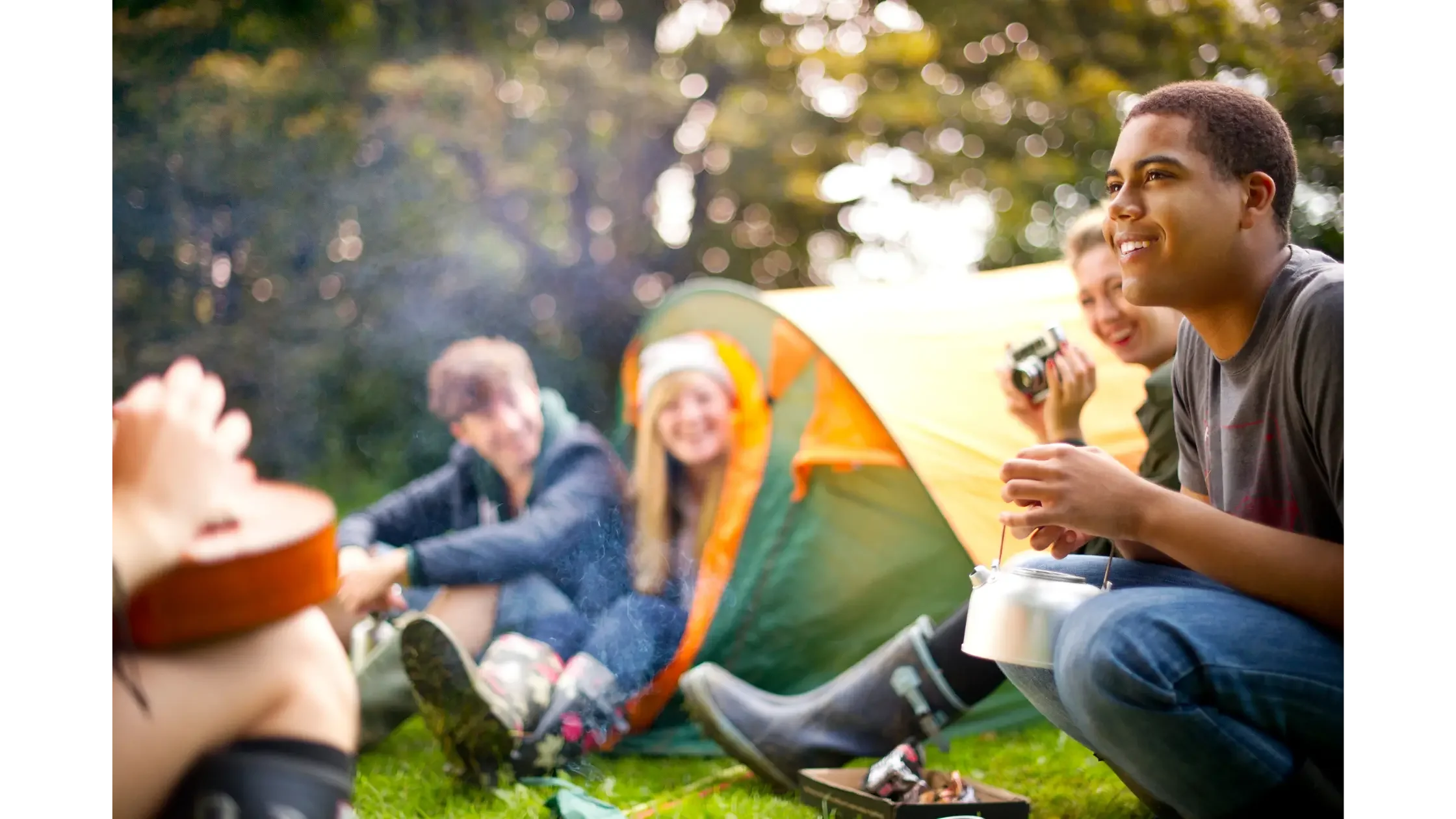
Activities for teens to develop social skills are usually collaborative, consistent, and facilitated by attentive adults.
So we’ve established what kind of kids social skills activities to avoid; what should you look for instead? Seek out activities that give enough structure to engage kids while still giving them some autonomy and creativity, things like let them pursue goals as a group, like telling a story, solving a challenge, or making a project. Collaboration not only adds needed structure but helps kids stay engaged, which is vital (activities that are story-based or otherwise creative are great for this)!
Once you’ve picked out what kind of activities your children will be participating in, it’s time to find a place that does them well. Their priority should be allowing your child to flourish as they practice these social skills and form social connections. Look for groups that have value diversity and respect, particularly if they set clear expectations for how participants' behavior will reflect these values. Small, consistent groups are idea. This gives your child a chance to continuously spend time with the same people, learn about them, and build relationships by seeing the impact of their and others’ actions over time.
Of course, take a good look at the adults who are running these programs. They should not only be vetted with a background check but also have moderation and clear policies they commit to as far as safety and privacy. But most of all, these adults should be genuinely invested in your children’s well-being, stepping in as needed to help resolve conflicts, guide the collaborative process, and coach them in the right direction.
What Activities Can Improve Children’s Social Development?
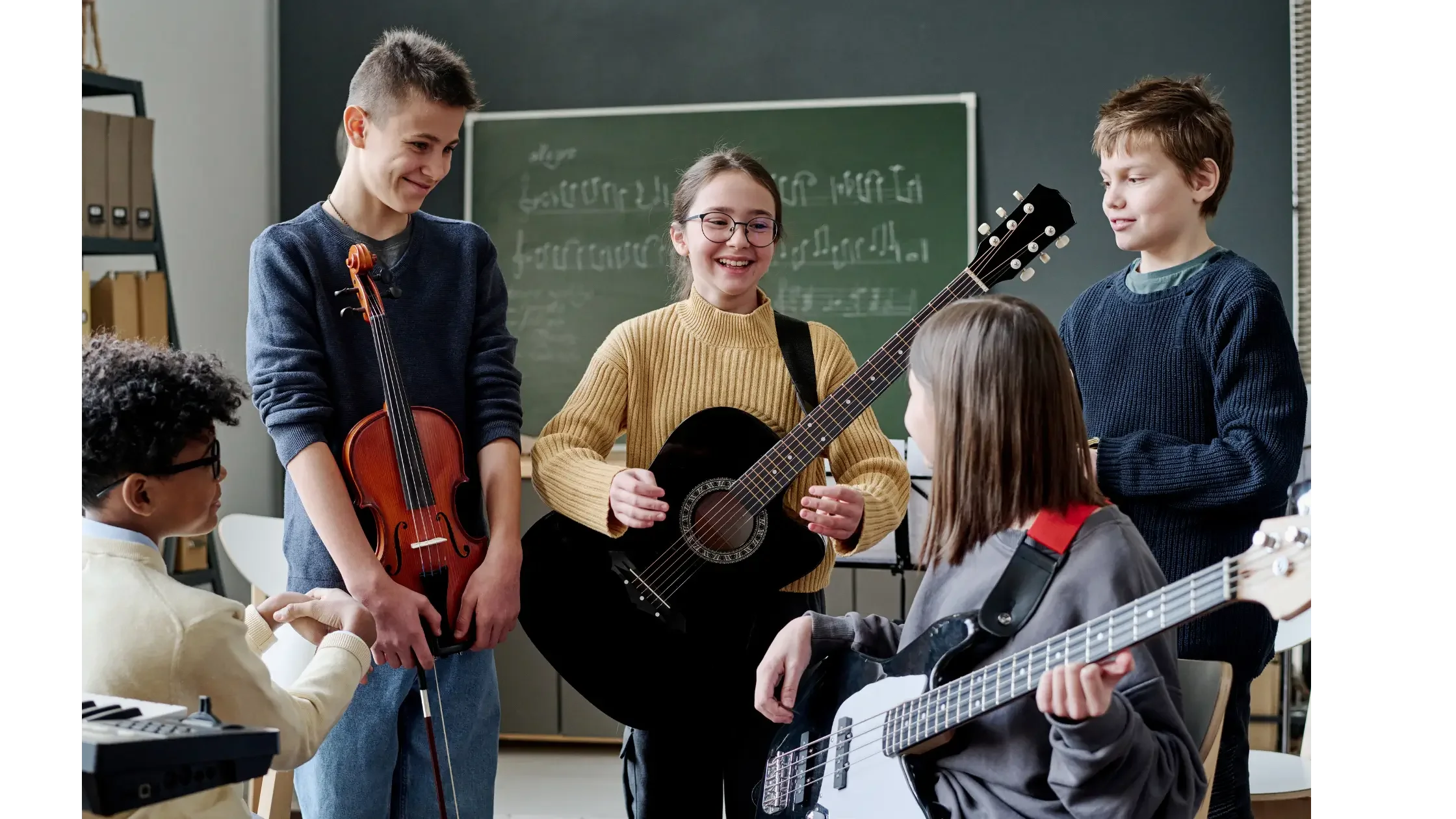
Structured “battle of the band” type events with adult supervision can be a great activity for kids with social anxiety.
That’s a lot to keep in mind! Here are some activities we found that can fit the bill as far as building your child’s social skills. Find one you think your child will enjoy participating in — that’s the best indicator they’ll actually be engaged!
In Person Social Skills Activities
Group sports are a good option as long as they focus on building and improving the team over cutthroat competition.
Volunteering at a local nonprofit is a great way to work with others towards a common goal, and it can be a particularly meaningful experience if it’s a cause your child cares about.
Community and children’s theater programs tend to be very welcoming and inclusive, and the consistent commitment of set roles and a rehearsal schedule keep your children in a tight group without any surprises.
Church groups and activities can be particularly helpful for hosting consistent groups and having dedicated adult leaders, particularly if you’ve found a church you trust.
Clubs for specific interests can be a great way of getting your child engaged with their peers – it helps sidestep the awkward initial small-talk by giving them a shared interest, like:
Book clubs for teens are offered at many libraries and bookstores. A book discussion gives a good balance of having structure and agency for participants.
Tabletop game clubs meet at local game stores and libraries and offer the structure and focus of a game to help guide social interactions.
Online Social Skills Activities
Roleplaying games like we run here at Young Dragonslayers give a natural way to practice social interactions, teamwork, and conflict resolution by giving fictional scenarios to work out in-character. (They’re an especially good fit for geeks-minded teens and kids to find their people.)
Collaborative courses like at CodeSpeak Labs can teach kids important skills and give them challenges to overcome as a team.
Academic support groups like HomeschoolBubbles give a place for students to discuss shared academic interests and support one another with academic goals.
Social support groups like Starfish Social Clubs and AFS Global You Adventurer give structure to help young people forge friendships with others who might otherwise struggle.
Moderated video-game clubs work well when they’re focused around open-ended games with collaborative options, like Minecraft or Roblox.
An Online Club for Teens and Kids to Develop Social Skills

We run online activities for kids to develop social skills using the power of stories!
At Young Dragonslayers, we host groups playing collaborative tabletop roleplaying games led by skilled adult facilitators to run sessions with the goal of guiding social interactions and discussions to build friendships through gaming. Our groups have a cap of 6 participants, and they meet every week for 10 weeks, which gives them the opportunity to get to make friends over time with whom they can practice skills of problem-solving, communication, and teamwork through the medium of a game. In fact, our groups have such low turnover that many games keep the same core group of players for a year or more! Because gameplay is collaborative, the groups are engaging; every player wants to be present and participate. They end up telling stories, taking perspectives, solving problems, and resolving conflicts as a group, which imrpoves group cohesion as a whole and the communication and problem-solving skills of everyone who participates (we could talk endlessly about the educational, social, and mental-health benefits of these kinds of games)!
Because of our backgrounds in therapy and education, we’re also dedicated to making sure every player finds the group that’s a perfect fit for them; we’ll assess their support needs, social skills, age, and even gameplay preferences (some kids need to follow every rule, while others just want to blow up the dragon!) and create small groups matched with professional, experienced adults who are equipped to fit the needs of the group. If you’d like to meet with us to discuss participating in these groups, sign up for our waitlist and we’ll connect with you!