Dungeons & Dragons Then and Now: How the Game Has Evolved Since the 80s
D&D in the 1980s is a bit of an iconic era. It’s been parodied, like in the movie Dark Dungeons, portrayed, like in the show Stranger Things, and aestheticized, like in Critical Role’s Campaign 2 intro. But not everybody who plays the game today got the chance to play Dungeons & Dragons in the 80s. This leaves them wondering what D&D edition was played in the 1980s, whether D&D was popular in the 80s, how D&D changed over the years, when D&D was at its peak, and, of course, what’s up with the 80s D&D controversy. We’re here to answer all these and more as we share about the progression of Dungeons & Dragons from the 1980s to the 2020s.
What Edition of D&D was Used In the 80s?
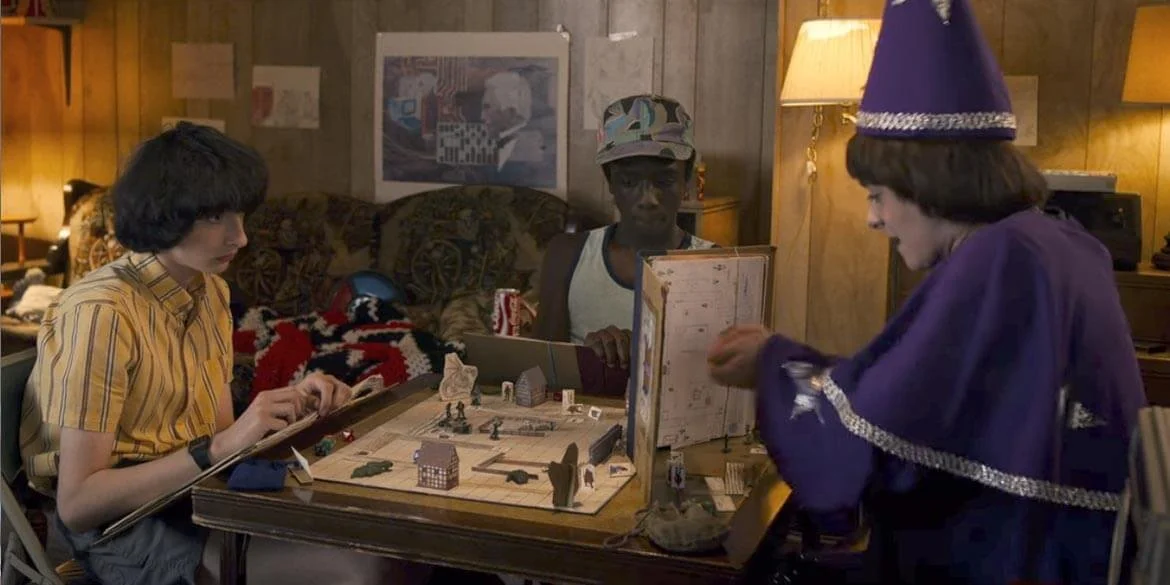
The 1st (1977) Edition of DND was played in the 80s, but so was the original (1974) edition. In Stranger Things, they’re shown to be playing 1st Edition, a.k.a Advanced Dungeons & Dragons.
Many people in the 2020s play the 5th Edition of Dungeons & Dragons, either D&D 5e (2014) or D&D 5e (2024). We go into the details of the newest editions in another blog post, but back at the beginning of the 1980s, there were no editions to speak of. Gary Gygax and Dave Arneson created the original “Dungeons & Dragons” in 1974. It was very simple compared to the current editions. For example, your character could only be the fighter (“Fighting-Man”), wizard (“Magic-User”), or cleric class, the human, elf, dwarf, or hobbit race (yes, they straight-up called halflings hobbits back then!), and the chaotic, neutral, or lawful alignments (no good and evil).
Gary Gygax remade the game into the 1977 “Advanced Dungeons & Dragons,” which would eventually be known as 1st Edition. This version’s rules were contained in the now-iconic books Monster Manual, Player’s Handbook, and Dungeon Master’s Guide. Each incorporated the materials Gygax’s company, TSR, had published for D&D over the intermediate 3 years, including the 3x3 alignment system and a more robust list of classes upon release: the Bard, the Cleric (and sub-class Druid), the Fighter (and sub-classes Paladin and Ranger), the “Magic-User”, and the Monk. Anybody who was into D&D before 1989 played either the original Dungeons & Dragons (1974) or Advanced Dungeons & Dragons (1977) — that’s all there was!
What Was the D&D Controversy in the 80s?
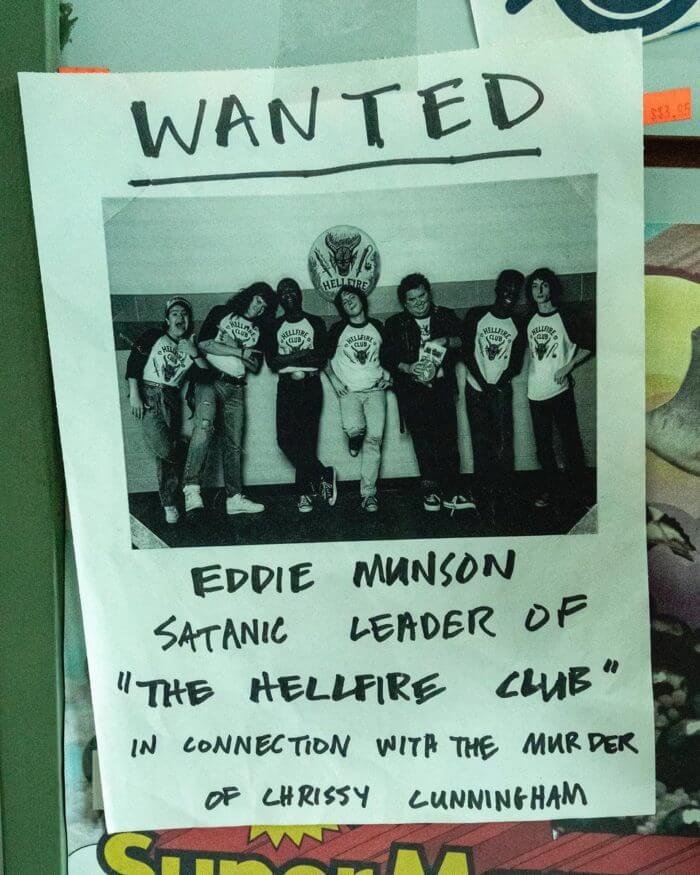
The DND controversy in the 80s turned into a full-blown moral panic; the response to Stranger Things’ Eddie Munson character is unfortunately fairly accurate.
The 1980s D&D controversy, eventually called the Satanic Panic, come from religious groups, parents, a conspiratory private investigator, and a particularly sketchy psychologist. They spread the word that Dungeons & Dragons was connected to Satanic cults, witchcraft, murder, and all kinds of other things. Most people now know that these claims are false; in fact, we went into it with Pastor Derek, who made an entire documentary about the Satanic Panic!
But back then, people were genuinely concerned and believed that D&D had caused several real-world deaths and would turn players into cultists, serial killers, and worse. Parents burned their children’s books, churches warned against the evils of Dungeons & Dragons, and the press went wild sharing conspiracy theories about Satanists, witchcraft, and rituals. This “Satanic Panic” ended in the 1990s, but playing D&D in the 80s was a very edgy thing to do!
How Has D&D Changed Since the 80s?
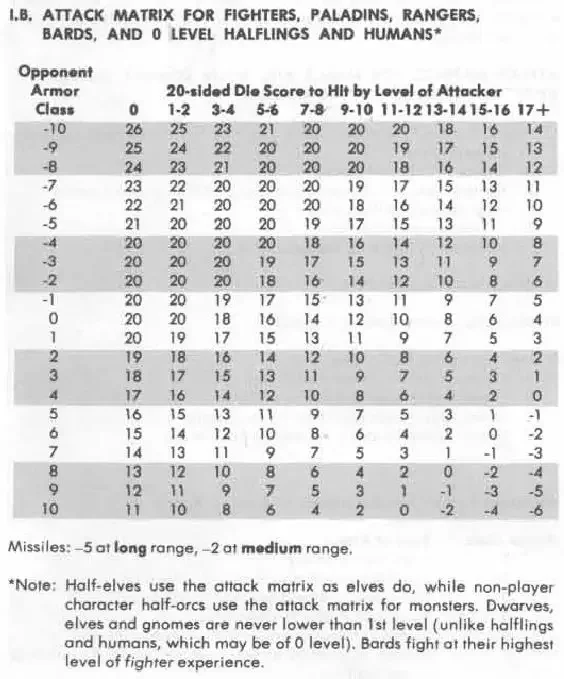
Attack matrix?
No, thank you! We’re glad DND has changed since the 1980s.
Dungeons & Dragons editions have kept on coming since the 1980s. In 1995, they revised the 2nd Edition; in 2000, they came out with the 3rd Edition (followed by a 1995 revision); in 2008, they released the 4th Edition, and in 2014, they published the 5th edition (followed by a 2024 revision). Lots of little things (and some big things!) were changed from edition to edition. The versions in the 1980s had alignment and race requirements for classes; those are now gone. Early versions also included a giant table to decide whether an attack hits; an attack roll is now compared to a single Armor Class. The 1st Edition was aimed at adults, while the 5th Edition D&D is made for kids, teens, and adults alike. But perhaps the most important change to D&D since the 1980s was the arrival of the internet.
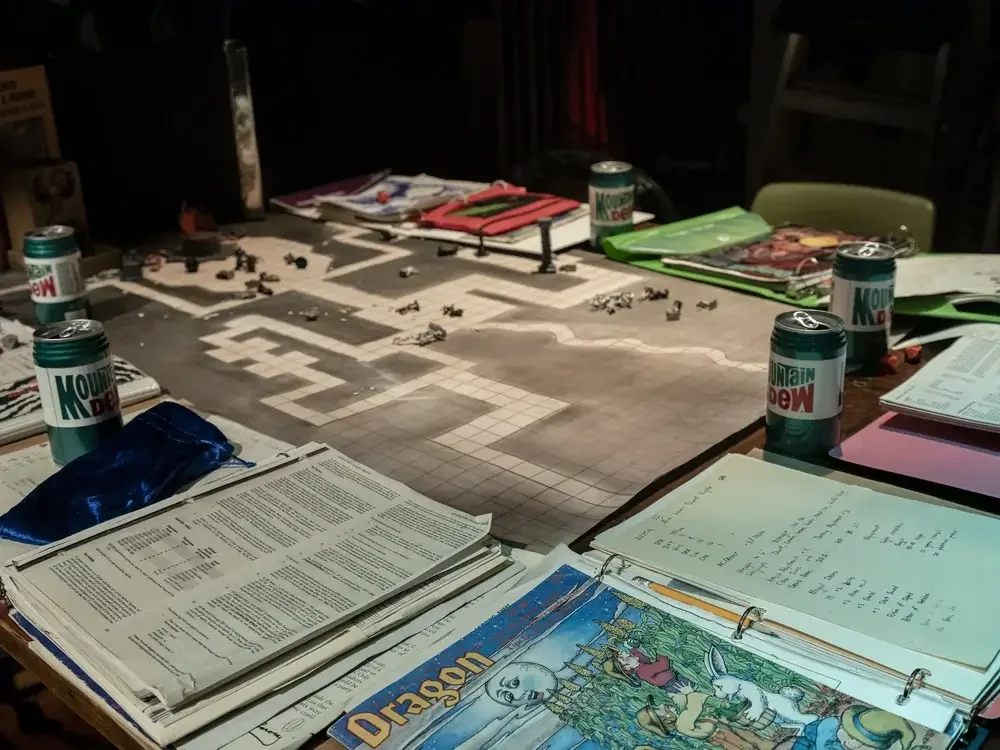
This complex setup from Stranger Things is pretty close to how people played DND in the 80s, but things have changed (great news for dining-room tables everywhere).
When the internet came to people’s homes in the 1990s, people around the world could talk on forums and message boards, share ideas, answer questions, and form online community around the then-somewhat-niche hobby of Dungeons & Dragons. When internet speeds grew fast enough to support video calls in the late 00s, people began to hope on calls to play D&D online together. In the early 2010s, virtual table-tops came onto the scene, giving players digital character sheets, maps, and rolls to simulate the in-person experience. In the mid-2010s, after the release of 5th Edition and the rise in the popularity of streaming, people like Critical Role started streaming D&D games for entertainment. By the 2020s, the whole world knew about Dungeons & Dragons.
Who Plays Dungeons & Dragons Now?

Young players have been into DND from the 80s to now…but now is a much easier time to get into the game!
As the game became more accessible and the tabletop roleplaying community became more accepting, more and more people have been able to play Dungeons & Dragons. For starters, traditionally “nerdy” activities like playing RPGs, watching anime, or reading fantasy are now just…activities – it’s the age of the geek! With growing cultural acceptance (and a better hold on bullying in schools), playing a game of D&D will no longer get you shoved in a locker or dunked in a toilet. Marginalized groups have an easier time getting a seat at the table. Though LGBTQ+ players, players with disabilities, female players, players of color, young players, and others have always been a robust part of the Dungeons & Dragons community and player base, now, the fight to be respected and treated fairly at those tables has gotten a lot easier.
When Was D&D At Its Peak?
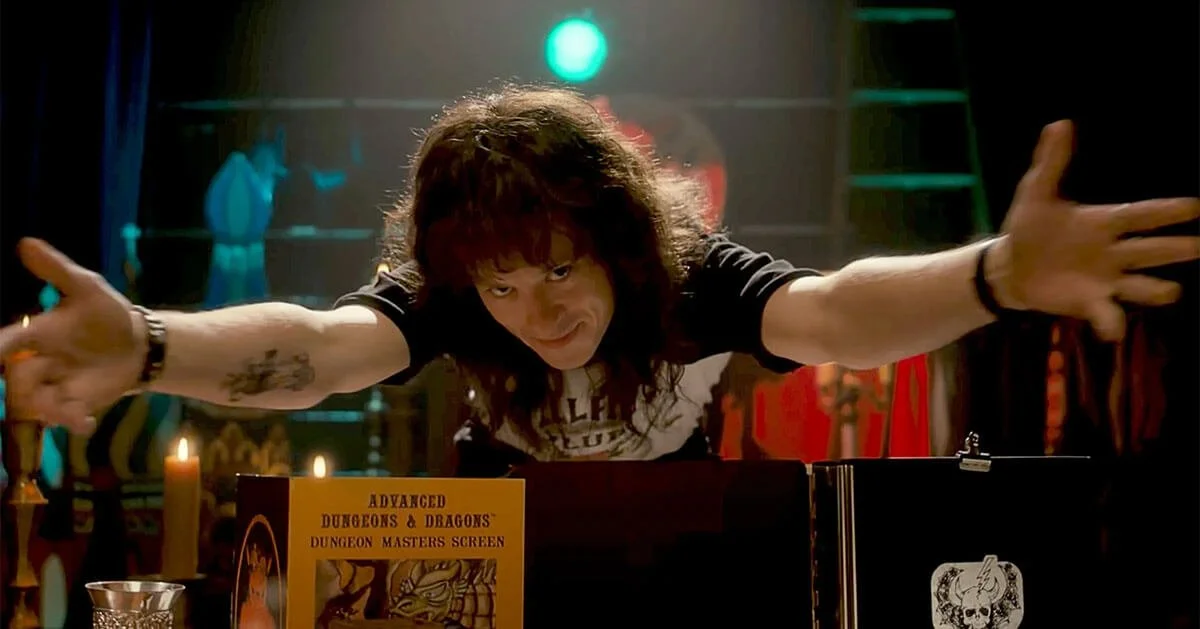
Here’s our roundup of how DND has changed since the 80s
Dungeons & Dragons in the 1980s was long considered the golden age — in terms of both popularity and game sales. Though the Satanic Panic had many negative effects, the popularity of D&D was not one of them. Even though people were talking about how evil it was, there were still….more people talking about D&D. And decrying the dangers of Dungeons & Dragons just made it all the more appealing to rebellious teens of the time. In fact, as soon as people started to blame D&D for the disappearance of a Michigan State University student, game sales increased more than 5 times over!
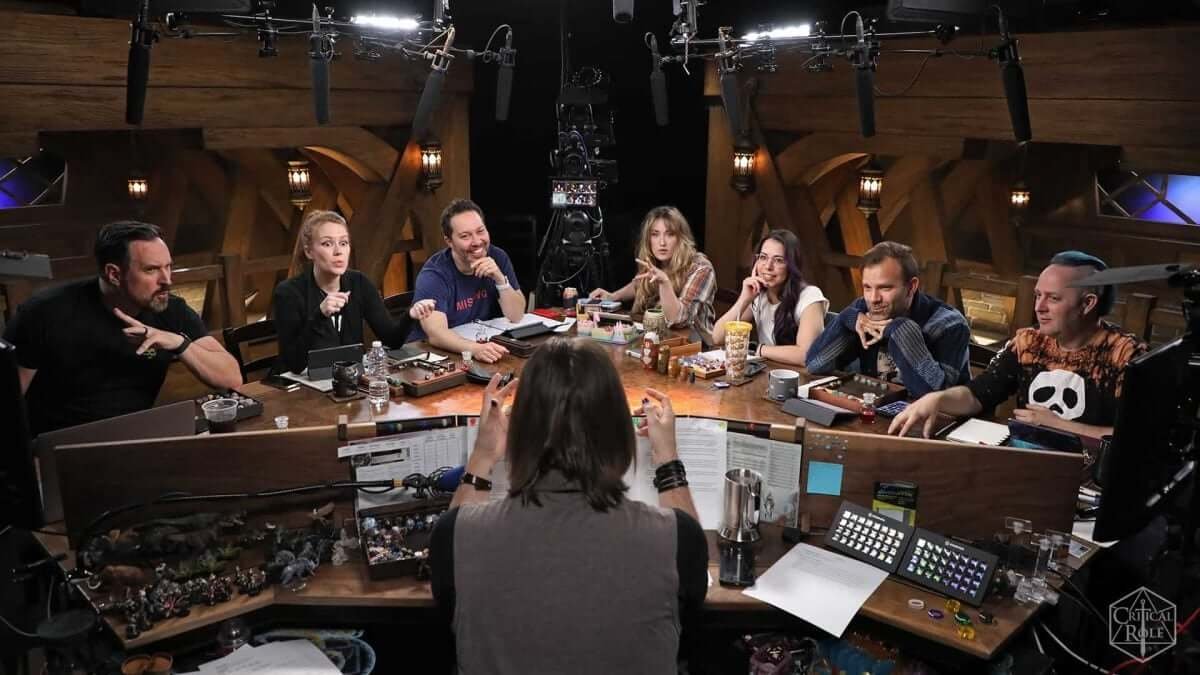
Shows like Critical Role have brought DND to a new peak in the 2010s and 2020s.
But we’re currently living through an all-new height of D&D. The pandemic sent millions (including us) online, missing our friends, and with plenty of free time; D&D was a perfect match. People streaming or recording games of D&D have launches celebrities, networks, even TV shows. The latest edition of the Player’s Handbook was the fastest-selling D&D book in history (primarily due to digital sales, like those on D&D Beyond)! And more people than ever are sitting down, at tables and computers alike, to play together.
If you’d like to join them, we’re here to help. We’re a group of professional Dungeon Masters who utilize the many newfound digital tools of D&D to run games entirely online. Our groups are matched by ages, schedules, play styles, and interests to make sure you find the group that’s right for you. Learn more about our games via the button below - we hope to see you there as we build our own D&D decade!