
A Research-Based Guide for Activities to Keep Your ADHD Child Busy
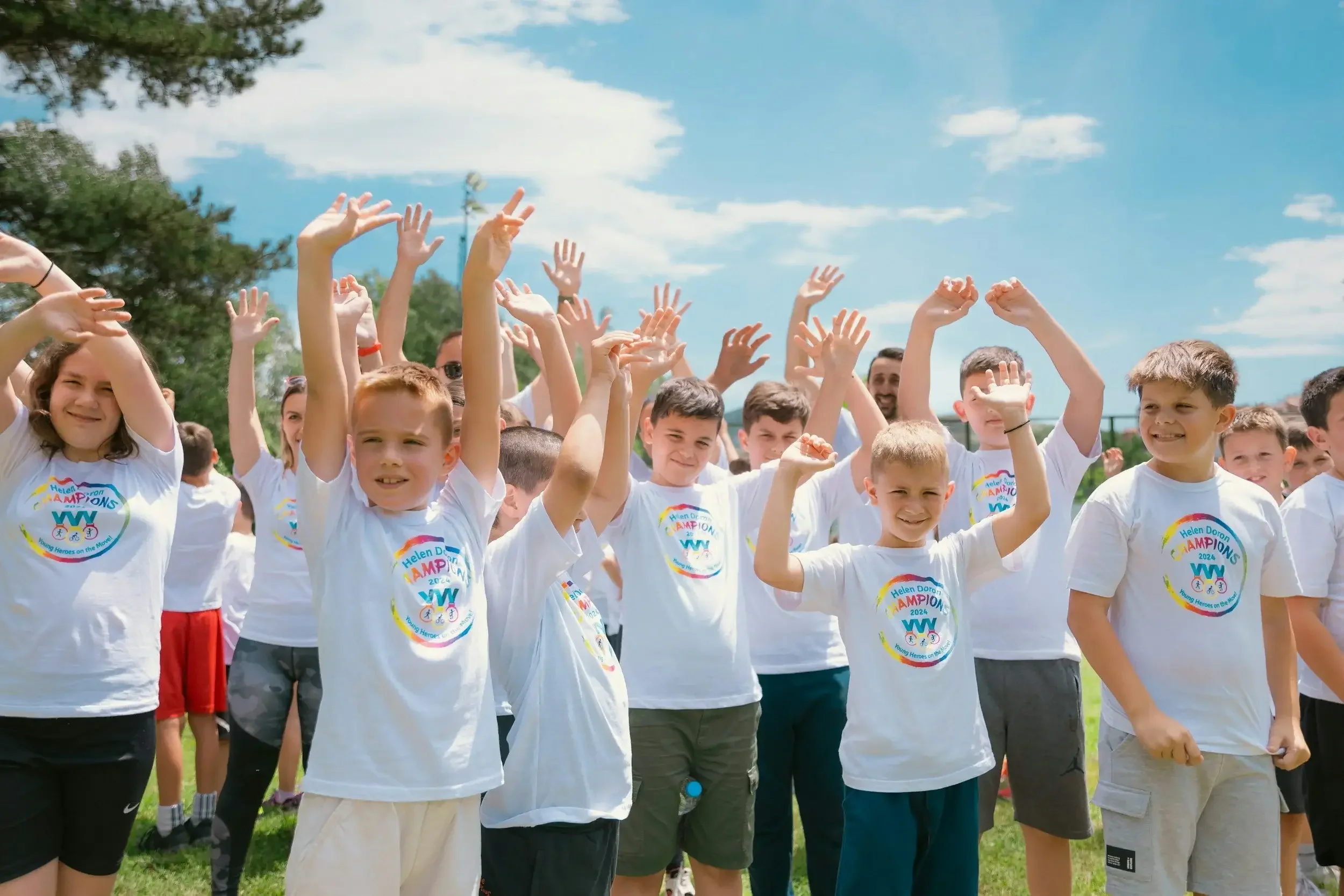
The research shows that there are four factors to look for in activities for ADHD kids.
It can be difficult to find stimulating activities for kids with ADHD to keep busy. Those of us who work with children with ADHD understand how important it is to give them stimulating activities to keep them engaged and growing, but most extracurricular activities are made for neurotypical kids (and sometimes even exacerbate ADHD symptoms). Looking for activities meant for kids with ADHD can leave parents overwhelmed with what seem like a million contradicting opinions. The best way to cut through all this noise is to look into actual professional research being done on ADHD. While there’s no one-size-fits-all activity when it comes to kids (especially kids with ADHD – there’s tremendous variation in kids’ symptoms, functioning, and preferences), research shows four key factors that make up a good activity for children with ADHD. Here are our recommendations of what to look for in activities for your ADHD child.
Children With ADHD Need Structure

You don’t need a minute-to-minute itinerary, but studies show that activities for ADHD children work best when they’re structured.
The “Structured vs. Unstructured” activities for kids with ADHD debate has been one of the more controversial in discussion of ADHD. Some say kids need totally unstructured activity, while others say they need tightly controlled time. This is why we turn to the research – the evidence shows that structure is optimal for kids with ADHD. A strong study showed that structured activity for kids with ADHD showed significantly better improvements than unstructured activity on a number of mental measures, including concentration, attention, and mental flexibility. They found that more structured activities can cause increased integration of multiple parts of the brain, helping develop kids’ minds more fully.
A recent review article found that “closed-skill” activities provided significant positive effects for kids with ADHD, while “open-skill” activities had no positive evidence. Closed-skill activities refer to motor skills used in predictable, repeatable tasks where there isn’t much variation or reactivity involved. One example would be gymnastics; there is a set routine, a specific desired outcome, and no interference beyond the difficulty of the task. Examples of open-skill tasks include competitive team games like basketball, where kids must react and adapt to the behaviors of their teammates and opponents and the game is free flowing and unstructured. It seems that closed-skill activities work best because they are repetitive and predictable, enhancing kid’s continued engagement and reducing cognitive demands. Open-loop activities may be too cognitively demanding for kids with ADHD, overloading their attention and exacerbating their symptoms. So, when looking for activities for your child, try to make sure they have a good amount of structure, as this tends to encourage better engagement and mental growth in kids with ADHD. Some great options for structured, closed-loop activities include gymnastic, theater, board games, and puzzles.
ADHD Kids Thrive With A Challenge

You can keep an ADHD child busy by giving them a challenge they can master.
Another factor that is crucial for a good activity for ADHD kids is the right level of challenge. It has been long established in psychology that there is a particular “sweet spot” for kids' activities – challenging enough for kids to have to work at them, but not so hard that they give up. The great psychologist Lev Vygotsky called this the “proximal zone of development”. Activities in this sweet spot are substantially more engaging for kids and help them develop their minds. Recent research has also suggested that kids do best when they have opportunities to feel successful in the face of challenges, do things for themselves, and have opportunities for equal participation with peers. They also found that children’s positive engagement with an activity was related to their ability to master that activity, not necessarily their current mastery (This suggests that picking an activity that your kid may not be the best at currently can actually be beneficial for them)!
It can be difficult to figure out what activities are challenging enough without being overwhelming. A helpful way to get around this is to choose activities where the difficulty can vary to adapt to the child’s proficiency. For example, for a beginner musician, playing “Happy Birthday” may be a sufficient challenge – but as they learn, they can take on increasingly complex melodies. A good sign of whether something is difficult enough is that your child feels that some practice is necessary, but they also feel they have a chance of succeeding. It is important to remain engaged with your child to ensure that they continually feel supported and comfortable but still sufficiently challenged. Some activities that can be varied in this way include music, sports, and reading.
Fostering Cooperation in ADHD Kids
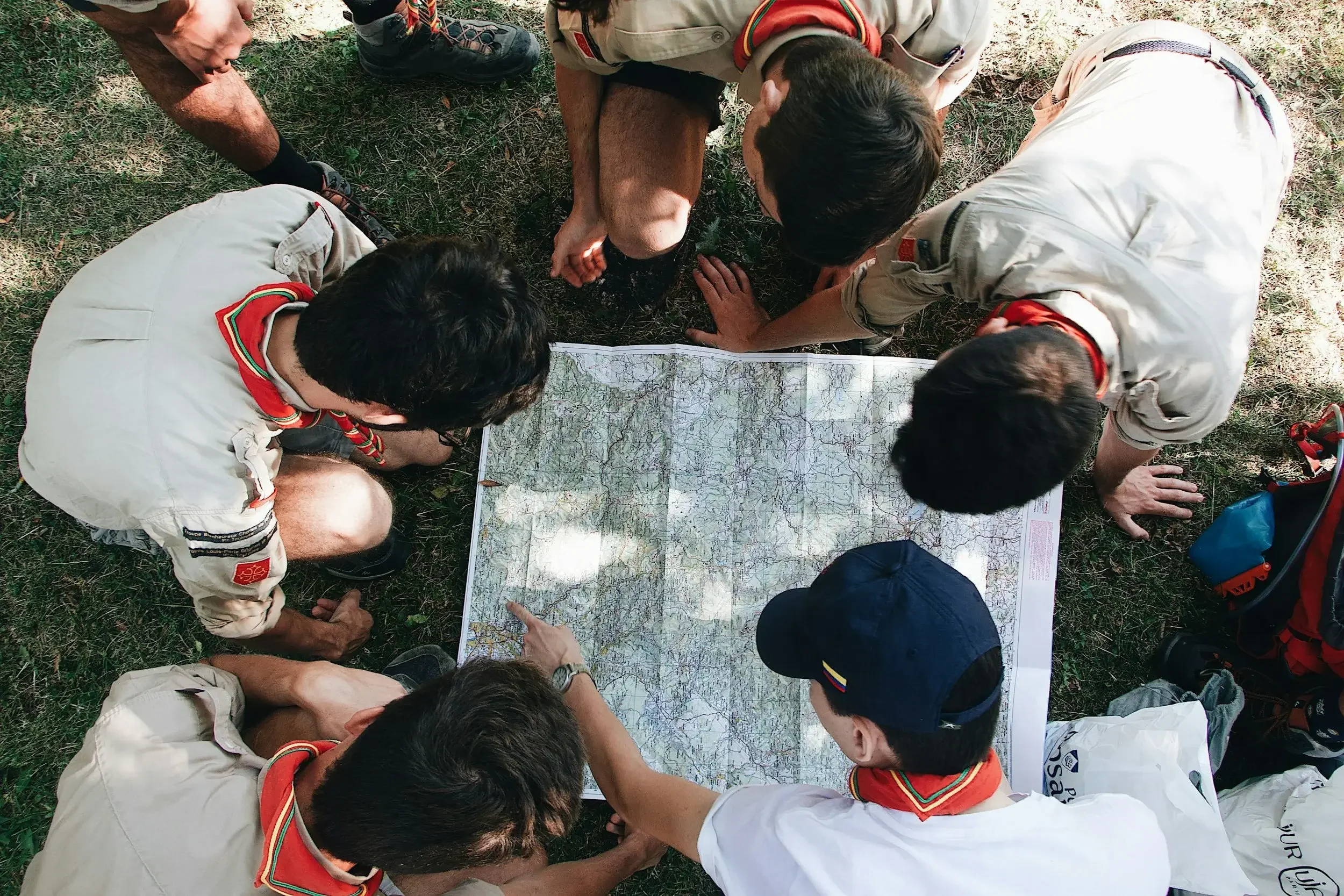
Activities for an ADHD child should include a social element to improve social skills and engagement.
Kids with ADHD are significantly less likely to engage in social activities than neurotypical kids, potentially worsening the common social problems observed in ADHD. This is why it is especially important to find social activities for your child – chances are, they are already on the backfoot compared to their peers. Research shows that extracurricular activities can provide a strong avenue into social engagement for kids with ADHD. It seems that when the main focus of the activity is not socialization, kids with ADHD have a better time. Often, when there is a shared goal or a team element, ADHD social problems are diminished, and kids are better able to connect with peers. This tended to increase feelings of belonging and helped stronger friendships form. So, if your ADHD kid has social issues, try to put them on a team! Any activity where kids are working together toward a common goal has a much better chance of promoting good peer relations. The typical avenue for this is team sports, but kids who don’t like athletics still have options. Group theater and Scouts consists of lots of teamwork, and collaborative STEM teams like robotics foster a sense of togetherness and cohesion.
Consistent Activities for Children with ADHD

If you don’t see improvement in your ADHD child right away, that’s perfectly normal - the benefits of these activities take time and commitment!
The last important factor is consistency. A recent review showed that seeing tangible results and engagement in an activity can take much longer than most expect. They found that the best results were not found until children had participated in an activity for over 3000 minutes – 50 hours to see significant attentional, emotional, and behavioral improvements. For short-duration activities, benefits required at least 16 sessions to be seen, and some cognitive improvements took over 2 months to see. This is because it takes kids time to retrain the connections between neurons. But on the other hand, the longer they remain engaged in an activity, the stronger these connections become and the more flexible their brain can be.
Now I’m not saying you need to force your kid to suffer through something for 50 hours even if they seem to not be enjoying it! I’m just saying that progress might take longer than it seems. Consistency does not mean that your child must do one thing repeatedly. In fact, there is some evidence that engaging in varied activities can be beneficial for your child. If you’re trying team sports, for example, and one seems to not be working well, maybe try switching to another similar team sport. The progress that they’ve made in the first one may help them adapt faster to the next and increase their engagement with it. This also works the other way around; if your child is getting bored of something but you think it's helping them, then try a similar activity, taking advantage of the momentum while still respecting your child’s wishes. The most important thing is that you remain patient and your child enjoys what they’re doing.
How Can We Help?
At Young Dragonslayers, we host groups playing collaborative tabletop roleplaying games led by skilled adult facilitators to run sessions with the goal of guiding social interactions and discussions to build friendships through gaming. Because of our backgrounds in therapy and education, we’re dedicated to making sure every player finds the group that’s a perfect fit for them; we’ll assess their support needs, social skills, age, and gameplay preferences to ensure they find a perfect group. Our facilitators are experts who carefully tailor games to fit the developmental needs of the group, ensuring a strong balance of comfort and challenge. Our groups are capped at 6 and consistent over time, so everyone develops close, strong relationships that last. Kids work together to solve problems, face enemies, and overcome challenges together, facilitating strong group cohesion. We provide an engaging, interactive way for kids to meet friends, have fun, and grow guided by professional, experienced adults. If you’d like to meet with us to discuss participating in these groups, sign up for our waitlist and we’ll connect with you!