
How To Help Your Anxious Child Make Friends
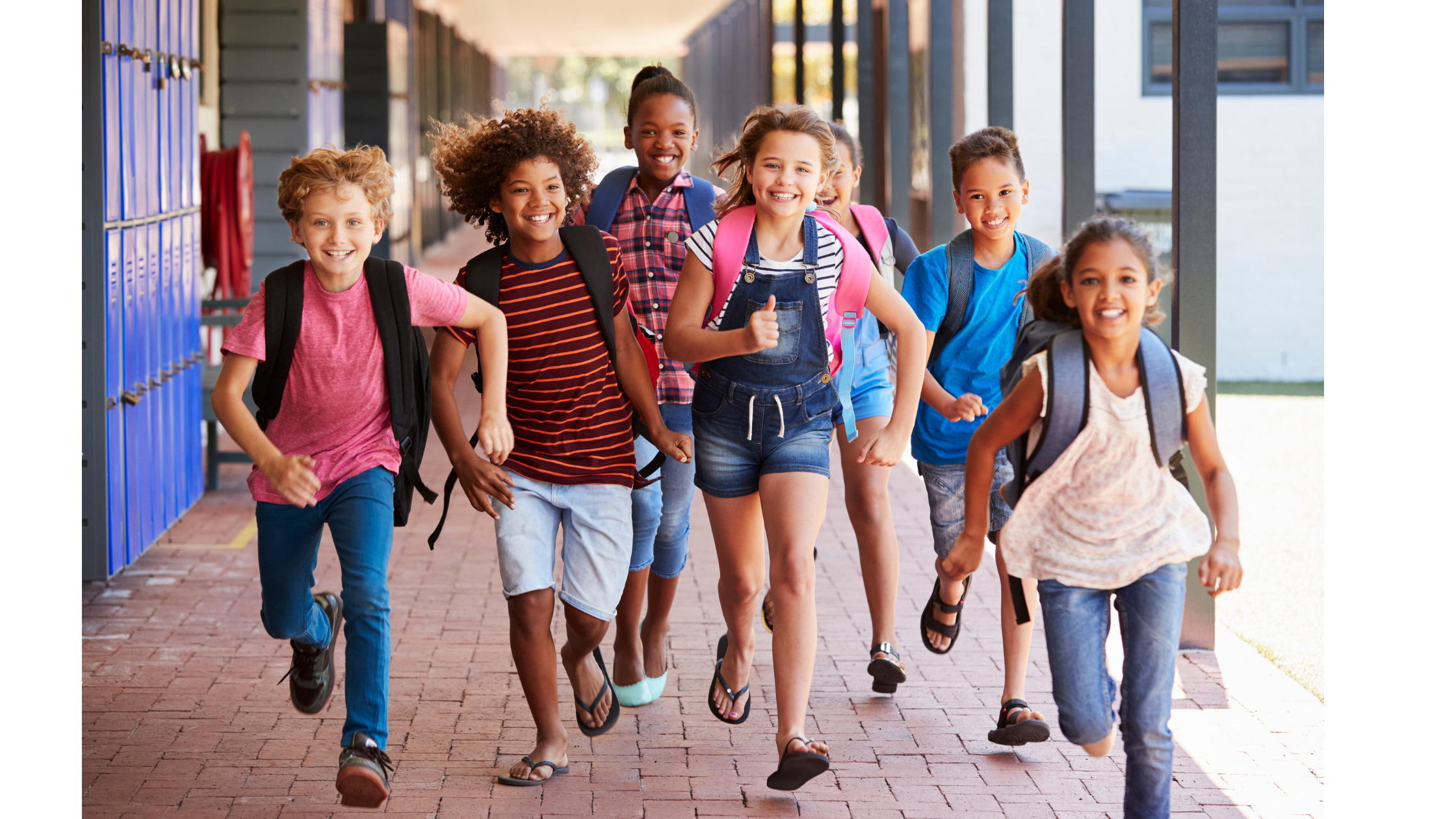
“How can I help my shy child make friends?” you may be asking. Well, if any of your child’s shyness stems from anxiety, we have the research-backed strategies to help.
Many kids have trouble making friends these days, especially those who have social anxiety. Kids with social anxiety can get into bad habits that make building friendships difficult. This, in turn, leads them to avoid making friends altogether, which deprives them the opportunity to practice social situations. And each time an anxious child avoids a social situation, their social anxiety gets worse. This is often called the cycle of avoidance (which we covered in this article) This is part of why it is so critical to find activities that will help your child make friends. However, many activities just aren’t designed for anxious kids. Luckily there has been a substantial amount of research on how to help these kids, and I’m here to break down what scientists have found is most helpful for kids with social anxiety to make friends.
Building Structure is Imperative to Support A Child with Anxiety

How to help an anxious child who struggles to make friends? Add structure to their social activities.
One important factor that helps socially anxious kids make friends is structure. During unstructured activities, anxious kids can get too focused on figuring out what to do during the activity that they simply don’t have the capacity to effectively socialize with the kids around them. Structured activities calm the nervous system and give kids a clear direction, freeing them up to focus their attention their peers rather than on the activity. Research shows that disordered activities with no clear goals or direction can be overwhelming for kids with anxiety, dysregulating their nervous system and making them feel out of control. When kids feel out of control, they enter fight-or-flight mode and attuning to those around them becomes impossible.
On the other hand, clear instructions and a predicable rhythm are soothing for an anxious child’s nervous system, allowing them to feel comfortable and engaged. Activities with specific, concrete goals like sports or guided arts and crafts give kids a clear direction that can calm their anxiety. Any activity that clearly lays out what is going on and what the kids should work at reduces anxiety and enables kids to focus on building friendships. While children still may become anxious in response to the social situation (which is okay!), the structure of the activity can still be a regulating factor; children can return their attention to the activity, calm down, then reapproach the social situation.
Help Your Anxious Child Make Friends with the Power of Play
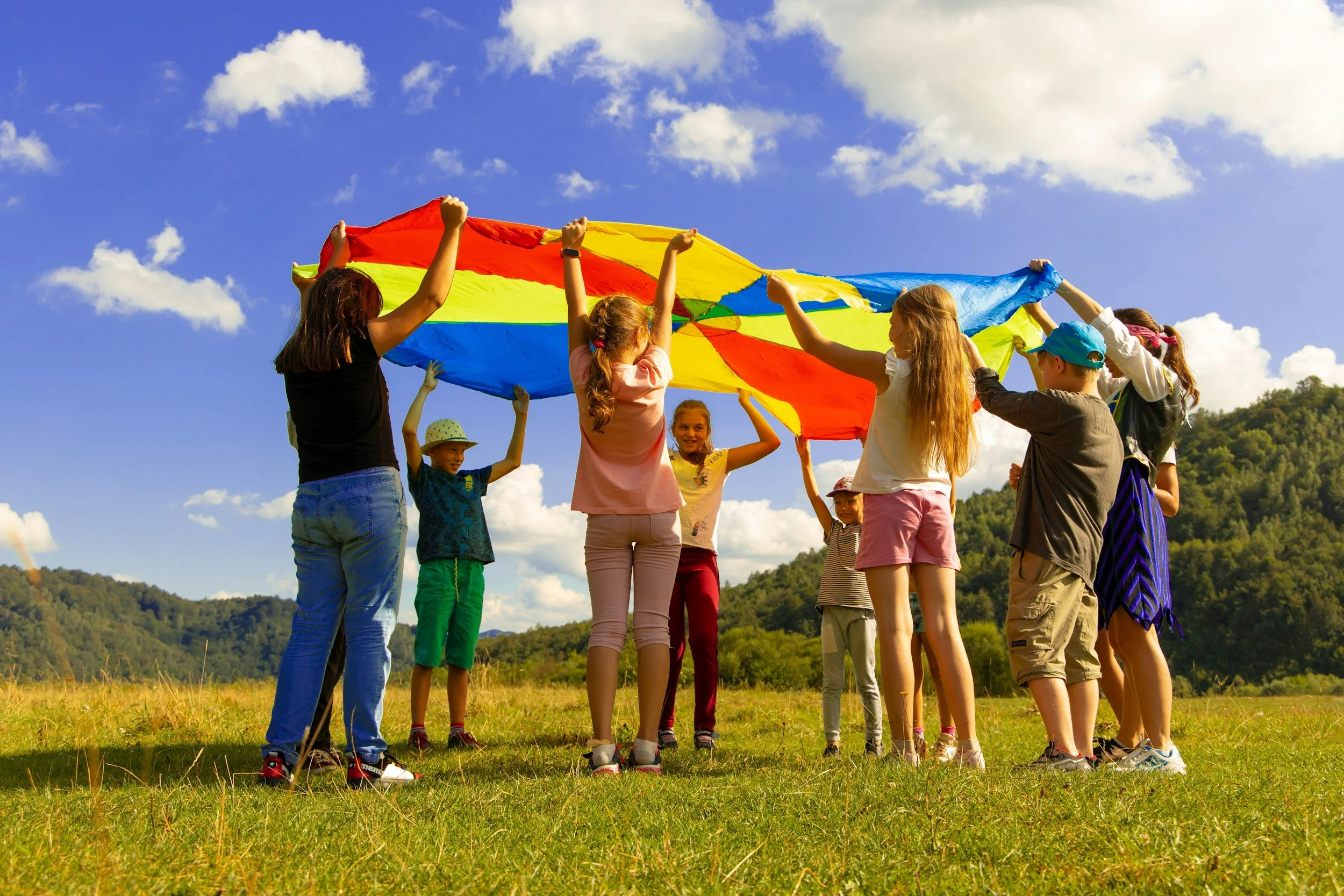
You can support your child with social anxiety by giving them playful social activities to make them more comfortable.
The second critical component of a successful activity for anxious kids is that it must be playful. Play is the language through which kids live and learn. Kids need to be having fun to be engaged in an activity and will naturally feel more comfortable and engaged in playful activities. Put simply, kids want to be involved in play, and won’t really be interested if they’re not having fun.
It’s best to focus on the child’s individual interests here. If they like to be physical and run around, sports are a good choi whereas if they’re an indoor kid, perhaps collaborative board games would work best. It’s important to try a number of things with your child to get a sense for what fits them best, then try to find play-based activities that match their interests.
The Neuroscience of Helping Your Anxious Child Make Friends

We looked at the neuroscience to see how to help your anxious child make friends
Neuroscience research has revealed part of why play is so critical for anxious kids to make friends. When we play, at any age, two nervous system pathways activate: the ventral vagal complex, often called the social engagement system, and the sympathetic nervous system, the excitement part of our nervous system.
The social engagement system, as the name implies, governs much of our connection with others. It controls how our ears listen to those around us, how friendly our face presents, and how open to connection we are. An activated social engagement system allows us to feel comfortable, confident, and engaged with those around us, enabling strong friendships.
When we play, this system works alongside our sympathetic nervous system. The sympathetic nervous system is what gets activated whenever we are excited. It is a motivator to action, enabling us towards behaviors that we want to engage in. When these two work together, the social engagement system gives kids openness towards friendship, while the sympathetic nervous system gives them motivation to go and actually make social interactions happen, drastically increasing their chances of making friendships.
Help Support Your Anxious Kid with Consistency
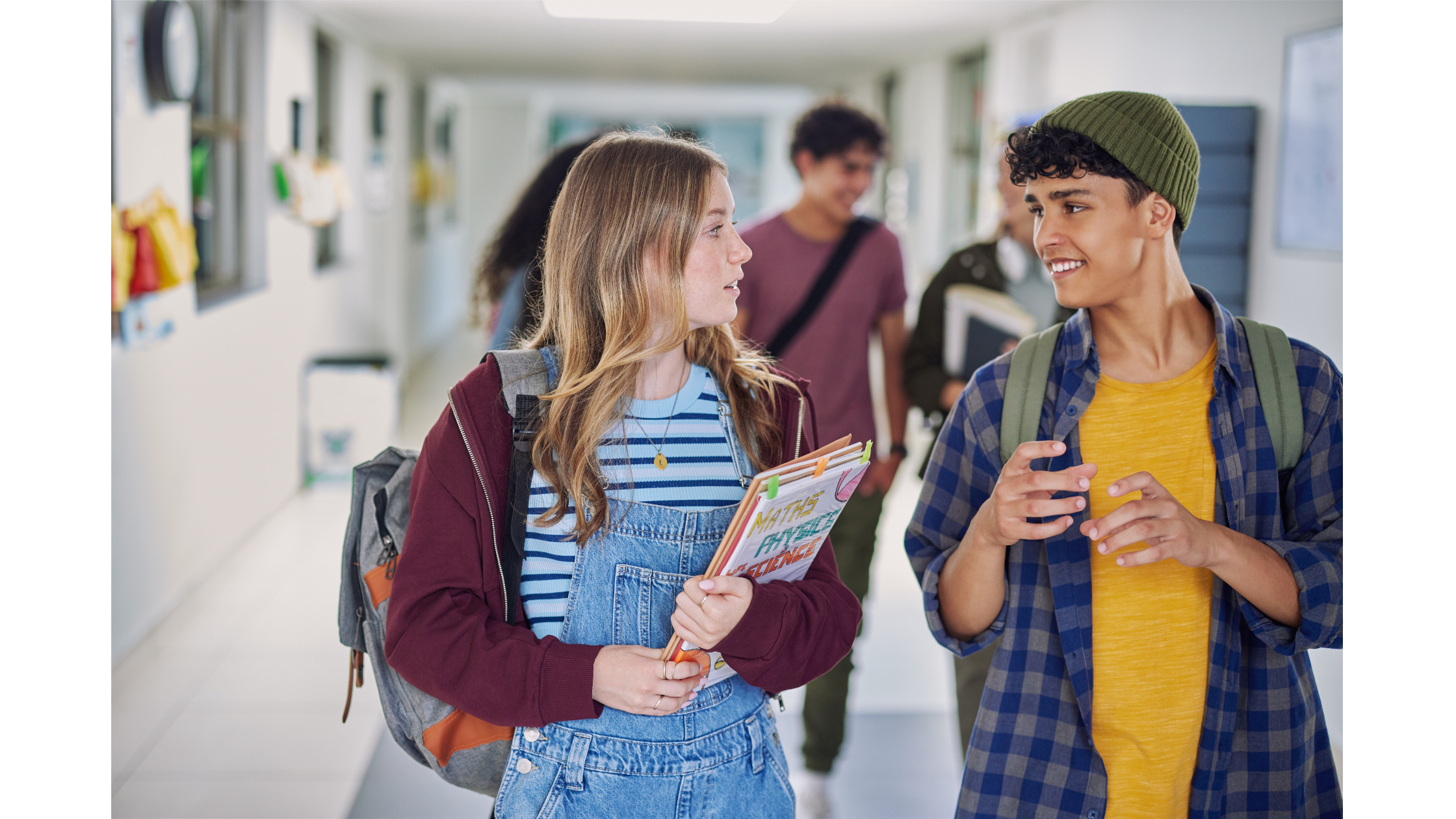
You can help your anxious child to make friends by giving them consistent, repetitive social interactions.
Science has shown us that the most important factor in building friendships is consistency. Continual interaction between peers comes with increased understanding of one another. This informs each person how best to socially interact and makes friendship more likely. This consistency builds trust between kids, enables comfort when they interact, and allows them to more deeply engage in meaningful connection.
Consistency is even more important for anxious kids. Social anxiety triggers a fear response to social situations, especially novel ones. But with consistency over time, this response gets diminished through a natural process called habituation. Habituation is essentially the process of getting used to something so that it doesn’t cause a strong reaction anymore. Everybody habituates to things during their life; for example, you eventually stop noticing the ticking of a clock when you’ve been in a room for a while. As kids with social anxiety repeatedly interact with people, especially when in the same context and with the same people, their body and mind naturally habituate to the scenario, lessening their anxiety response and allowing them to more deeply engage with peers and form strong friendships. Habituation furthers with repetition, which is why consistency is so important. While anxious kids may have a hard time at first, repeated social interactions in the activity will give them a chance to habituate and make it easier and more comfortable to make friends.
How Does D&D Help Anxious Children Make Friends?

Lots of parents come to us wondering “how do I help my anxious child make friends?”
Substantial research has shown that the tabletop game Dungeons & Dragons can be beneficial for kids with social anxiety, enabling them to approach social situations with more confidence and build deep and meaningful friendships through the game. One study found that D&D’s low-pressure environment allowed anxious players to more easily approach intimidating situations without fear of making mistakes. Another study found that playing D&D reduced kids’ social anxiety and that led to reduced loneliness in their everyday lives. Other experts have shown that D&D allows players to feel distanced from their social anxiety, making self-expression much easier and allowing them to connect with their peers much more strongly than they would otherwise be able to.
Simply, D&D is perfectly designed to suit anxious kids' needs. It is strongly structured, with specific rules and turn-taking procedures that allow anxious kids to feel comfortable enough to connect with their peers, and is full of fun, enjoyable play that activates children’s social engagement system. Our groups offer kids a perfect chance to meet consistently, interact with one another, and gradually build comfort and trust.
Help Your Anxious Child Make Friends with Our Social D&D Groups
At Young Dragonslayers, we host groups playing collaborative tabletop roleplaying games led by skilled adult facilitators to run sessions with the goal of guiding social interactions and discussions to build friendships through gaming. Because of our backgrounds in therapy and education, we’re dedicated to making sure every player finds the group that’s a perfect fit for them; we’ll assess their support needs, social skills, age, and gameplay preferences to ensure they find a perfect group. Our facilitators are experts who carefully tailor games to fit the developmental needs of the group, ensuring a strong balance of comfort and challenge. Our groups are capped at 6 players and are consistent over time, so everyone develops close, strong relationships that last. Kids work together to solve problems, face enemies, and overcome challenges together, facilitating strong group cohesion. We provide an engaging, interactive way for kids to meet friends, have fun, and grow guided by professional, experienced adults. If you’d like to meet with us to discuss participating in these groups, sign up for our waitlist and we’ll connect with you!