Dungeons & Dragons: A Parent’s Guide
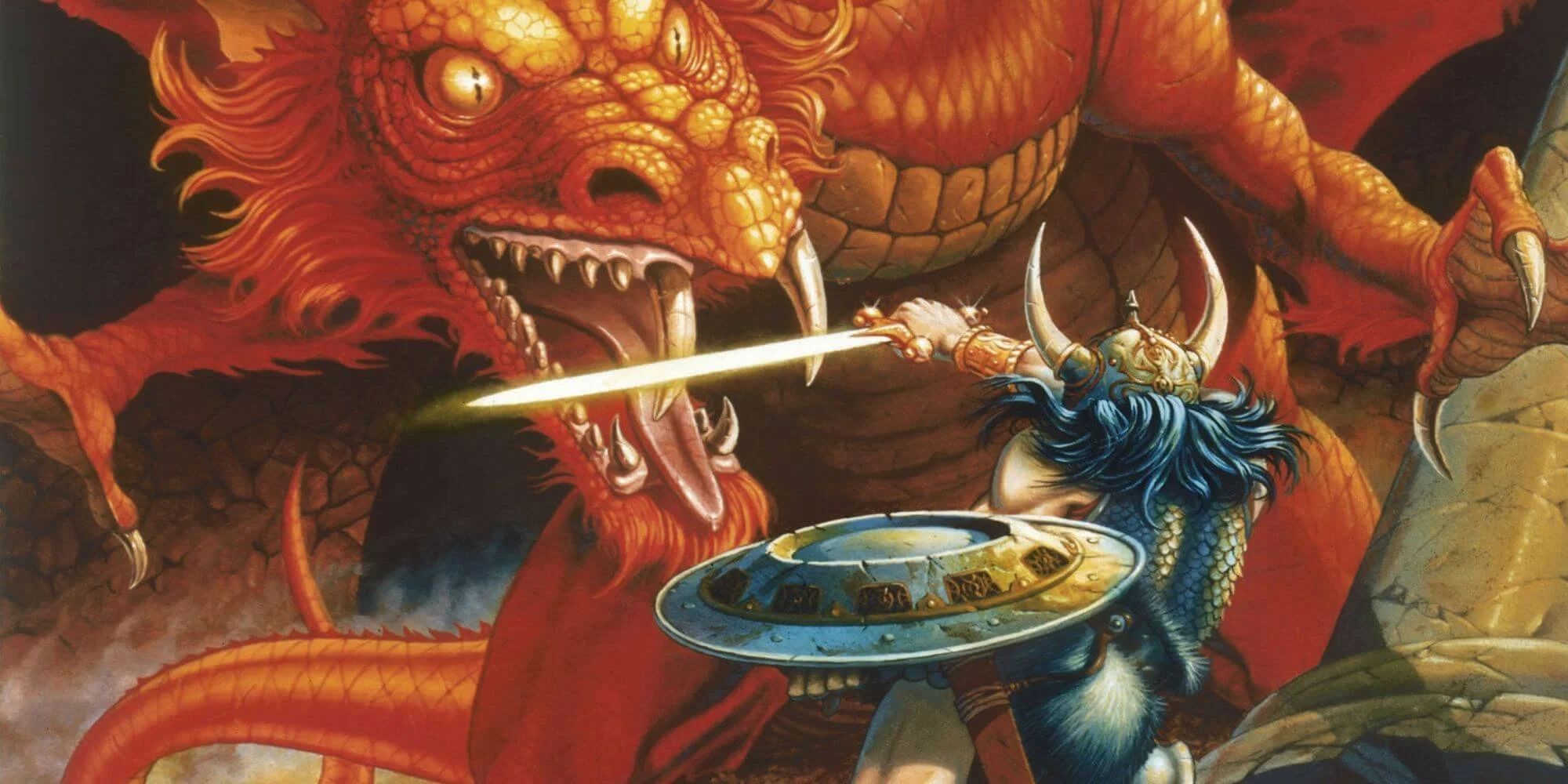
We’re a group of therapists, educators, and parents who’ve spent a lot of time reading, thinking about, and playing Dungeons and Dragons; here’s our parent’s guide to DND!
Though Dungeons & Dragons was first released in the 1970s, it’s experiencing a strong resurgence, especially among young people, who are hearing about the game from their friends, social media, pop culture, and more. Parents, understandably, want to know more about the game before they let their children play it. Is it okay for kids to play Dungeons & Dragons? Is D&D safe for my child? What do kids actually do in a game of D&D? We’re a group of therapists, educators, and parents who’ve spent a lot of time reading, thinking about, and playing Dungeons & Dragons to assess it as a tool for building social skills, friendships, and character among tweens and teens. We wanted to share what we’ve found with other parents so you can make informed, thoughtful decisions for your own family about Dungeons & Dragons.
Why Are Some Parents Against Dungeons & Dragons?
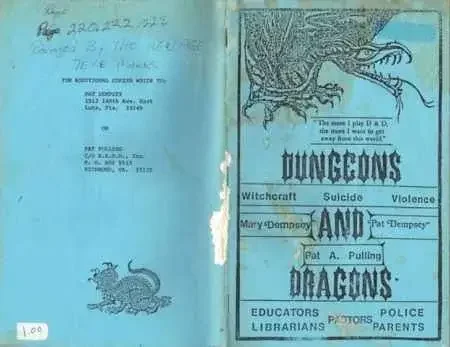
There are some parents against DND. Here are their reasons.
You probably already know that some parents choose not to allow their children to play D&D; in fact, that’s probably why you’re here! While every family is different, most parents’ concerns lie in the content of the game, which can indeed be unsuitable for children. But, as we explain in more detail in our post about the appropriateness of D&D for children, D&D is not a singular game like The Legend of Zelda, Pokemon: Red, or Clue. The core game doesn’t come with characters, plot lines, or challenges set up for players. Instead, each of these are determined by the game’s facilitator, called the Dungeon Master (DM). One DM might indeed have their players, say, learn sorcery to fight demons, but another might send their players off to be superheroes protecting a town from lava monsters or be magical pixies hunting down a hidden gingerbread house in Candyland. In the hands of a skilled DM, no child should be exposed to any inappropriate content.
Christian families in particular can be concerned that the game runs counter to the tenets of Christianity, that playing it might tempt players towards sinful behaviors, or that it undermines Christian values. If that’s a point of concern for you and your family, we have some deeper analysis on D&D for Christian families specifically, conducted by Dungeon Master Jaclyn (former youth minister and current parent) and Pastor Derek W. White (a minister with the United Methodist Church, long-time Dungeon Master, and the creator of the D&D “Satanic Panic” documentary). We hope these resources can help you become familiar with the many different ways D&D can be played and, ultimately, make the choice that best suits you and your family.
Dungeons & Dragons Parents’ Reviews
Analyses and theory are all well and good, but as parents, we know that one of the best sources of parenting knowledge is real-world experience with real-world kids. About half of us at Young Dragonslayers are parents, and we have all decided to introduce our children to Dungeons & Dragons. In fact, Dungeon Master Steph has written hundreds of fantastic articles about their experiences playing D&D and similar games with their child, their students, and other young players. We highly recommend their interview with “The Kiddo” for their child’s own words on the game and their experience with it.
In addition to our own children, we also run online games of Dungeons & Dragons for tweens and teens. And while, of course, we would tell you all about how great the games are for the players, we looked to parents to get more objective insights about our D&D games. While these are all examples pertaining to our specific program, they also offer some general parent perspectives on Dungeons & Dragons

DND parent review - 5 Stars from Emma Backer
D&D for kids is a great resource for parents with teenagers interested in developing their community and meeting likeminded individuals. I highly recommend!
Emma Backer

DND parent review - 5 Stars from Beth Bazer
My son has been involved in D&D with Young Dragonslayers for almost 4 years now and this program has been a gift. He has made friendships with the other kids in his regular group and adores Jaclyn, his Dungeon Master. We even went for a week for an in-person dungeon master camp a few years ago.
I just can't say enough about Young Drangonslayers. They offer something I have found nowhere else. A truly safe, comfortable space for all kids (neurotypical and neurodivergent) to play in a virtual game led by a caring adult. My son has learned so many critical social skills through this group and we are so thankful.
Finally, a note about Katie, the leader of the program. If there is a kinder, more empathetic program leader out there, I haven't met her. She always says she created this 'weird little company' to give kids like mine a safe space and she certainly has. I only wish every organization was 'weird' like this one...the world would be a better place.
Beth Bazer

DND parent review - 5 Stars from Melissan Herron
This was absolutely worth it for my 11 year old. It brings him out of his anti-social shell, and he's on his second session and loving it. In fact, he spends all week eagerly anticipating new adventures.
Melissan Herron

DND parent review - 5 Stars from Heather King
Young Dragonslayers has been an incredible experience for my 13-year-old son. He has been playing with them for over a year, and what started as a weekly online experiment (by me) to explore whether D&D was interesting to him, has grown into something I never could have anticipated.
Because of how much he loves Young Dragonslayers, he was inspired to start his own D&D groups here in Silicon Valley with local friends. He has now helped get two large groups of boys and girls, ages 12–17, excited about D&D. They plan their quests during lunch breaks and carpools, take turns in the leadership role, and spend hours creating stories, solving problems, strategizing, negotiating, and building entire worlds together in person and online.
As a parent, it has been amazing to watch. Young Dragonslayers didn’t just introduce my son to a game he loves—it helped spark a passion that has translated into creativity, leadership, friendship, and real collaborative project-building. In a world where so much of teenagers’ free time can be solitary or screen-driven, watching this group of kids become so genuinely excited about creating something together has been wonderful.
Heather King

DND parent review - 5 Stars from Shelby Andal
My daughter has been in YDS for over two years and she absolutely loves it. She looks forward to her Monday night D&D every week!
Shelby Andal
If you want to look through reviews that haven’t been handpicked by us (understandable), you can peruse the Google Reviews for Young Dragonslayers for more insight.
Evidence-Based Parental Guidance for D&D
Real-life research on real-life kids can serve as an excellent parent's guide to DND for their child
In addition to this anecdotal evidence, there have also been studies done on the impacts of playing Dungeons & Dragons on both children and adults. This research shows a multitude of benefits to D&D, particularly mental-health benefits, which some parents might find outweigh their concerns about the game. Parents of children with depression can read a clinician’s analysis of how D&D works alongside therapy to effectively treat depression in children. Parents of children with anxiety can look to research showing that D&D increases confidence, research showing that D&D reduces social anxiety, and our analysis of the benefits of D&D for anxious children. Parents of children with ADHD can hear a therapist's perspective on how D&D can help ADHD kids by giving them a balance of flexibility and structure, opportunities for creativity and imagination, a safe and supported way of socializing, practice with executive-functioning skills, in-game rewards system, and relief from everyday stress. Parents of children with autism can dive into this study on the impact of playing D&D on autistic children, including “remarkable” improvement in social communication, increased emotional well-being, and progress towards making friends. Parents of children who are homeschooled can look through the research on socialization in children and the ways D&D can help homeschooled children reach important socio-emotional milestones. We hope this variety helps you find the research that speaks to your particular child and their needs!
Children’s and Parent’s Guide to Dungeons & Dragons
We have a variety of DND parents guides to help you introduce your child to DND.
If you do decide that you’d like your child to try D&D, we’re here to support you. We have an article to help you assess the appropriateness of D&D given your child’s cognitive skills, emotional learning, maturity, and biological age. We also recommend games for children who may not thrive playing D&D specifically but may still benefit from similar tabletop roleplaying games.
We’ve also created an array of resources for beginning Dungeons & Dragons players. These resources explain:
What D&D is
How D&D works
What a Dungeon Master is
What kinds of games people play
The types of adventures players go on
Game options available (from in-person at actual physical tables to online on Zoom Rooms and Discord servers)
The basic rules of the game
Types and functions of dice
Critical success and failure
Gear you need to gather
Advice for setting up a game
Ideas to make your very first Dungeons & Dragons character
The rules of combat in Dungeons & Dragons, (including turns, actions, spells, hit points, and more)
How spellcasting works
The types of magic in the game
Different editions of D&D and how they work
The “Rule of Cool”
How to make a character (both on paper and digitally)
How character’s ability scores work
What D&D alignment is
All of the essential D&D terms (TPK, Initiative, Meat Shield, Dice Goblin…)
How to homebrew your own D&D materials
How to play D&D by yourself
Where to find D&D groups
How to use Discord for D&D
How to play D&D online
That’s quite a lot to go through! If you find yourself overwhelmed when you look at this list (or think your child might be!), you’re not alone. Dungeons & Dragons can feel overly complex and frustrating, especially for new players, which is where Young Dragonslayers comes in.
A Parent’s Answer to Safe, Appropriate D&D For Kids
If you've assessed our parent's guide to Dungeons and Dragons and decide it's right for your child, we can help them get started
At Young Dragonslayers, we run safe, fun, online games of D&D for tweens and teens that take new players step-by-step to teach them the game in a fun, engaging environment where they can make friends, build social skills, and enjoy this classic game! Our facilitators are background checked and vetted and have experience not only playing Dungeons & Dragons but working with children, coming from helping professions including nursing, therapy, education and more. If you think our games might be a good fit for your child, sign up for the waitlist, and we’ll get you more information, including the option for your child to play a trial game to assess best fit!