
How Special Interests Can Help Autistic Kids Make Friends (And When They Can’t!)

Video games are a common example of special interests in autistic children, who often learn detailed mechanics, lore, and strategies for their favorite games.
A key element of being on the autism spectrum, especially for kids and young adults, are special interests: intense fascinations for specific topics and atypical attachments to objects, concepts, or behaviors. While at one point, these interests were thought to be a negative symptom, psychologists now understand them as key to engagement and success – a definite strength! It has been clinically proven that engaging in these special interests is hugely important for autistic people’s wellbeing and happiness. But did you know the power of special interests can also be harnessed to help autistic kids to make friends? We run interest-based social-skills groups for neurodivergent and neurotypical kids and teens, and we’ve seen it happen! But we wanted to know why, so we did a deep dive into the research to find out how special interests work, the pros and cons of special interests in autistic children, and how to help use your child’s special interests to their social advantage.
Why Is It Hard For Autistic Children To Make Friends?
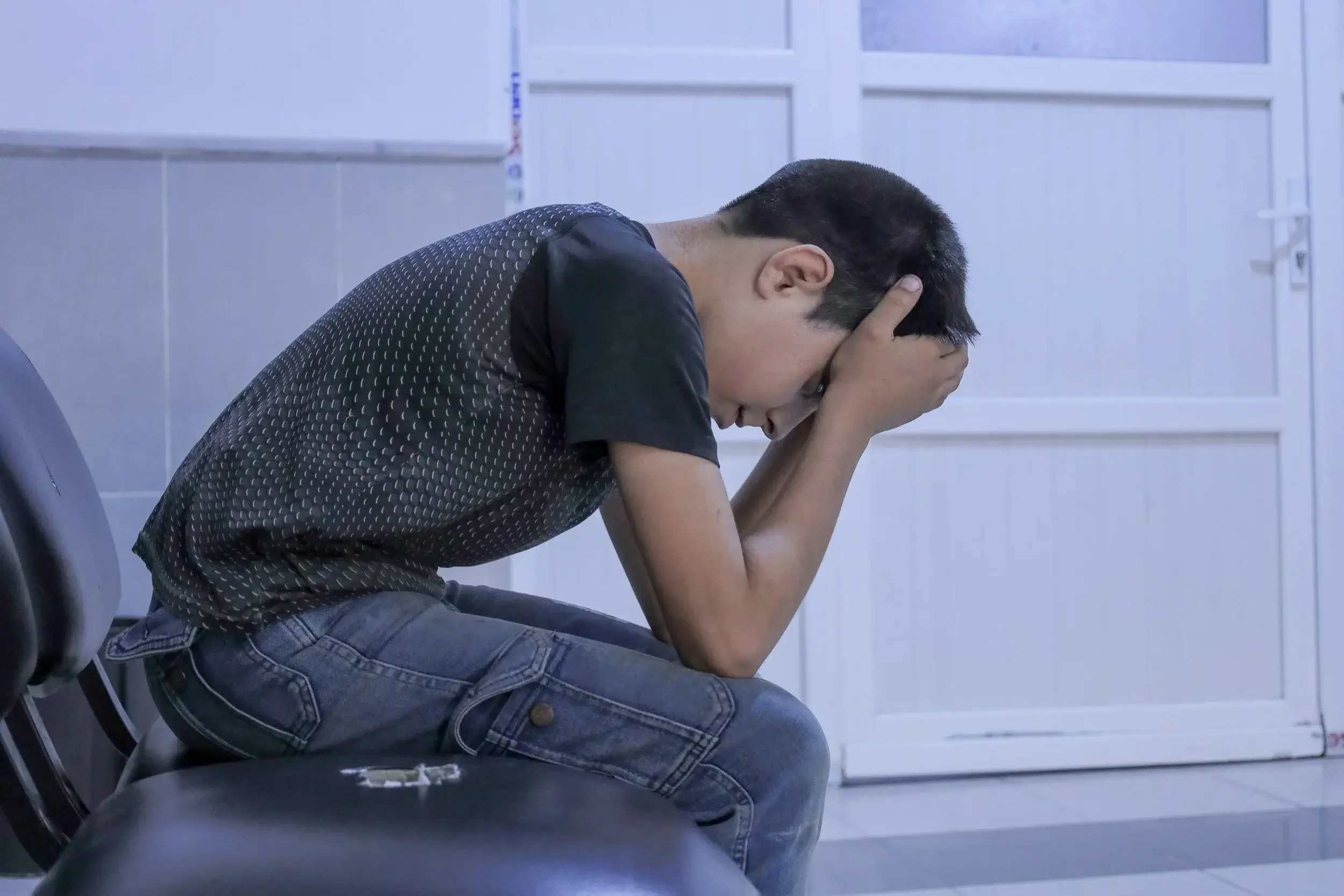
Many parents are wondering how to help kids with autism socialize so they can make connections with their peers.
There are a number of factors working against autistic kids trying to make friends, from difficulty learning social skills to the high stimulation and low structure of most social scenarios. Unfortunately, engaging in special interests can also exacerbate social issues related to autism. Some research suggests that special interests may be tied to rigidity to change and repetitive behaviors, so reinforcing them may accidentally reinforce rigid mental and behavioral patterns.
Special interests can also cause a gap between autistic and neurotypical youth. Research has shown that autistic special interests differ significantly from neurotypical interests, not just in the focus of the interests themselves, but in the intensity of the person’s attachment. Because of these differences, neurotypical kids and autistic kids can have a difficult time connecting over interests. And, even though autistic kids connecting with one another create genuine, beneficial friendships, connecting with neurotypical peers is also important. Being able to interact with a wide variety of peers (not just other autistic children) is proven to be hugely beneficial to autistic children’s development, allowing them to expand their social circle and enabling positive social development.
The difficulty connecting with neurotypical kids over special interests can alienate autistic kids, likely decreasing their social behavior and hindering their development of the critical social skills they need in youth and adulthood. As they grow up, autistic kids need social interaction with peers in a wide range of social situations, not just those that fit with their special interest, to develop the skills to allow them to ask for help, develop friendships, and positively interact with those around them.
When Will My Autistic Child Make Friends?

Helping an autistic teen make friends takes advantage of their brain’s flexibility and capacity for skill-building before they become adults.
So how do we leverage the benefits of special interests while avoiding the potential complications that they can bring? Specifically, how can we use special interests to enhance autistic kids’ social wellbeing among both their autistic and neurotypical peers? Simply telling kids to stop engaging in their special interests can be hugely harmful. A more helpful solution is to integrate special interests with positive social situations.
The research has shown that adolescence is a key inflection point in the integration of special interests with social behaviors. During this time, kids’ brains are extremely flexible, constantly growing and adapting to their environment. Young people are primed for skill building, and we can take advantage of that. Involving a child in positive social behaviors in adolescence uses this time frame to help them build these crucial skills that they will need for the rest of their life. In fact, the longer they wait, the more difficult it becomes.
How To Teach A Child With Autism To Make Friends
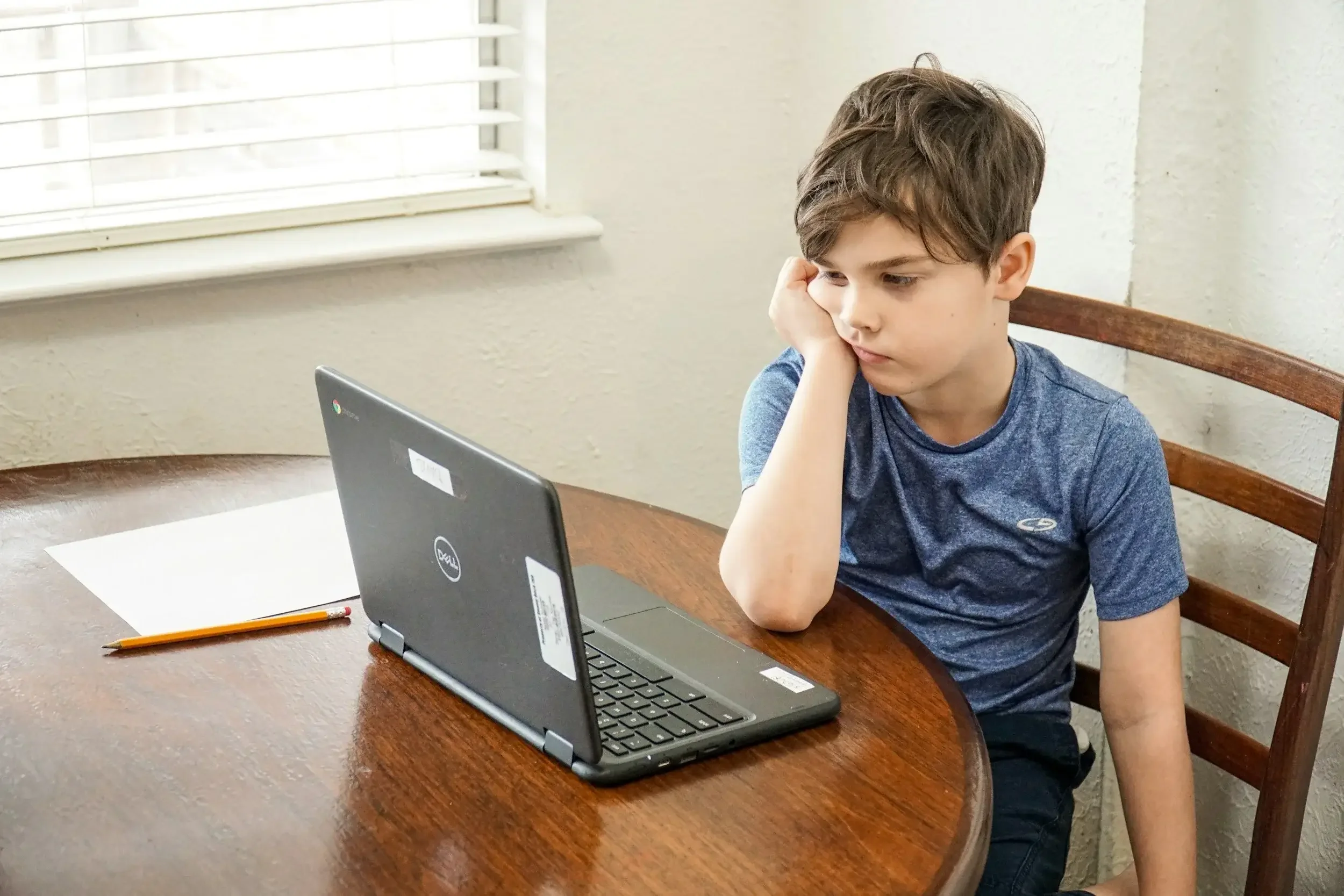
If a child isn’t interested in learning or practicing a skill, that greatly increases the difficulty of learning it. This is where autistic special interests can come into play!
Harnessing the power of special interests to motivate social behaviors in autistic children is much more powerful than forcing them to engage with peers in the same manner that neurotypical kids do. Research shows that the reward circuits in an autistic person’s brain function differently; their brains are literally not built to motivate them towards social activities the way a neurotypical person’s brain is. But an autistic child’s special interests can give them the intrinsic motivation to engage in social activities, a concept researchers call social motivational learning. This is built on the strongly supported theory of social learning, which claims that social interaction can serve as a strong method of learning key developmental skills like empathy, conversation skills, and confidence.
Special interests can be used to trigger reward circuits in the brain and incentivize autistic kids to engage in social situations that build friendships and develop crucial skills. For example, a child with a special interest in video games could be prompted to play a collaborative game with another child that requires teamwork. In this way, the special interest activates the reward circuitry, motivating the child to engage in a social situation that can develop social skills and friendships. The key here is that the special interest is a gateway into the task, not the task itself. It’s not unlike sneaking vegetables into a food the kid really likes; the positive social interaction is “snuck in” with the child’s special interest.
Additionally, the presence of the special interest has a soothing effect on autistic children, which can help relieve the anxiety that typically arises with social situations. This allows the child to more comfortably approach the social situation and increases the likelihood of positive social development. Special interests can also serve as a sort of communication facilitator for autistic children, especially ones who struggle with open communication. If your child is struggling to open up with peers, doing so over a special interest may prove easier.
How To Help Kids With Autism Socialize

We’ve found that collaborative roleplaying games like Dungeons & Dragons are great to help kids with autism socialize with neurotypical and neurodivergent peers.
Our team of educators and counselors has found that tabletop roleplaying games like Dungeons & Dragons (D&D) actually perfectly match the mold for a good social motivational activity It’s one that autistic children actually want to engage in and one that offers huge social benefits. Here’s what we’ve seen:
D&D is comfortable. Its structure, with predictable turns and clear rules, removes much of the typical anxiety that comes from social engagement with peers. We utilize a variety of tools to build a safe and inclusive gaming environment, which makes D&D approachable for all kinds of kids, no matter what their social skills currently are.
D&D is extremely flexible. Our expert leaders tailor the game to fit the interests and playstyle of the children (If your kid likes frogs, they can have an army of frogs! If they like history, they can be a wise sage historian from a far-off land.). This means plenty of opportunities to integrate special interests, which serve as the social motivators that are vital for autistic kids.
D&D is deeply social. As they play, kids work together to solve puzzles, defeat enemies, and complete quests. So whatever the kid’s motivation is for getting into the game, they will have to practice taking turns, listening to others, and collaborating with peers, critical skills for happiness and success.
D&D, most of all, is fun! Kids love playing it, and this increased engagement is massively beneficial for their development. When kids are having fun, they learn and grow much more efficiently without even knowing it!
Here at Young Dragonslayers, we host fully online D&D groups led by skilled adult facilitators. We run sessions with the goal of guiding social interactions and discussions to build friendships and develop social-emotional skills through gaming. Because of our backgrounds in therapy and education, we’re dedicated to making sure every player finds the group that’s a perfect fit for them. We’ll assess their support needs, social skills, age, and gameplay preferences to create small groups matched with professional, experienced adults who are equipped to fit the needs of the group. Every child is placed in a group that can maximize their potential to grow in a safe and supportive environment, motivated by whatever special interests they bring to the table. If you’d like to meet to discuss your child’s needs, special interests, and other accommodations, sign up for our waitlist and we’ll connect with you!