
How Tabletop Roleplaying Games Can Help Your Kid With Frustration Tolerance
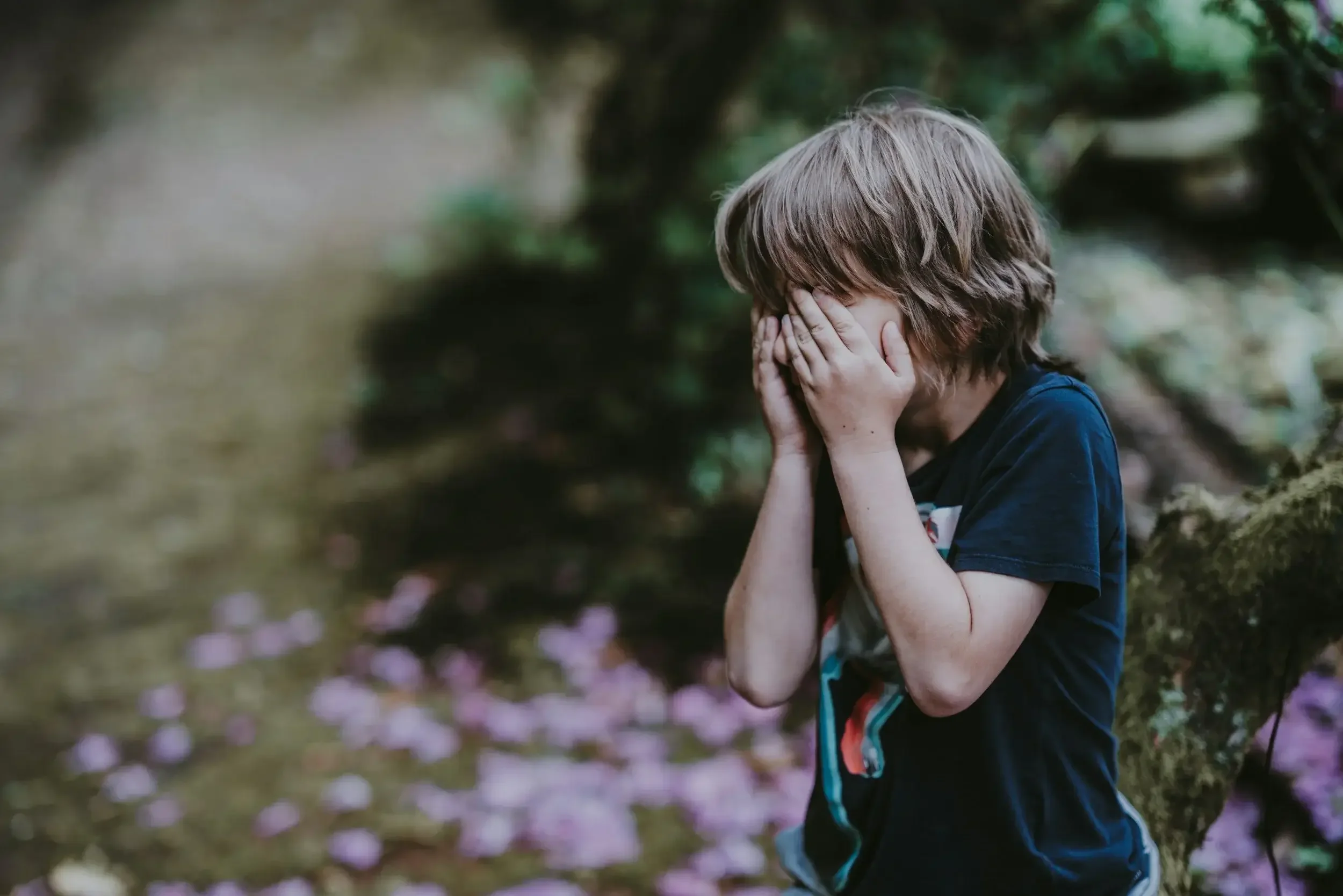
There are kids frustration games to help them build frustration tolerance, but Dungeons and Dragons might be the best among them.
Frustration tolerance skills are some of the most challenging skills that children must develop to live happy, healthy lives. The world is a frustrating place, with so much out of our control (and what is under our control can still go wrong). Adults have the skills and knowledge to (sometimes) be able to handle these disappointments. Kids, on the other hand, are still developing the capacity to calm themselves down in difficult situations. We at Young Dragonslayers have found that tabletop roleplaying games, like Dungeons & Dragons, can greatly help build frustration tolerance in kids. Because it’s fun and engaging, they enjoy it way more than, say, a kids frustration tolerance workbook. But being fun isn’t enough to be a helpful frustration tolerance activity for kids. How is D&D helping kids with frustration tolerance? We can show you.
Kids Tolerating Frustration Over Consequences
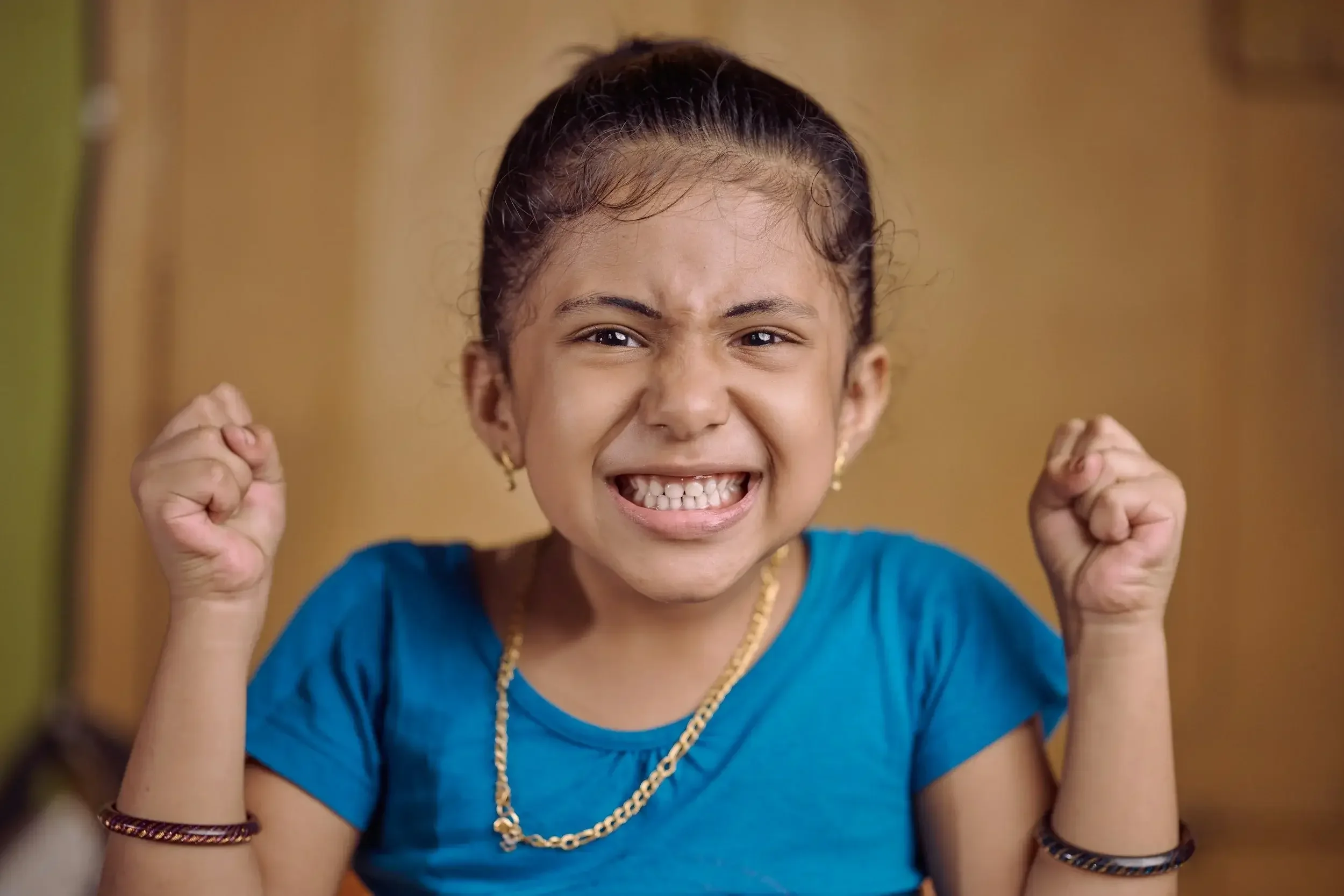
Frustration tolerance in kids starts by understanding consequences.
Part of why adults are so much better than kids at dealing with frustration is because we’ve had so much more practice. Much of kids’ lives are determined by their parents, teachers, and guardians. They do not make many decisions on their own, so they are not used to dealing with consequences on their own. Dungeons & Dragons forces players to make difficult decisions, followed by immediate consequences. If a player chooses to attack an enemy, they can be counterattacked and take damage, giving clear, immediate feedback on their decision and its effects.
A large part of frustration is in fact due to a lack of understanding. A lot of times, kids simply don’t understand why things are happening to them or the rationale behind certain things. When kids do not understand something, they get frustrated. By providing clear, simple measures of cause and effect (hit points, enemy responses, and comments from the Game Master) D&D makes sure children are aware of the consequences of their actions and enables them to truly understand why things went the way they did. This understanding allows kids to process their frustration and become comfortable with it. As they do this more and more, they eventually take the skill into their real life to analyze situations, understand what caused them, and calm their frustration.
What To Do When Your Child Is Frustrated By Randomness
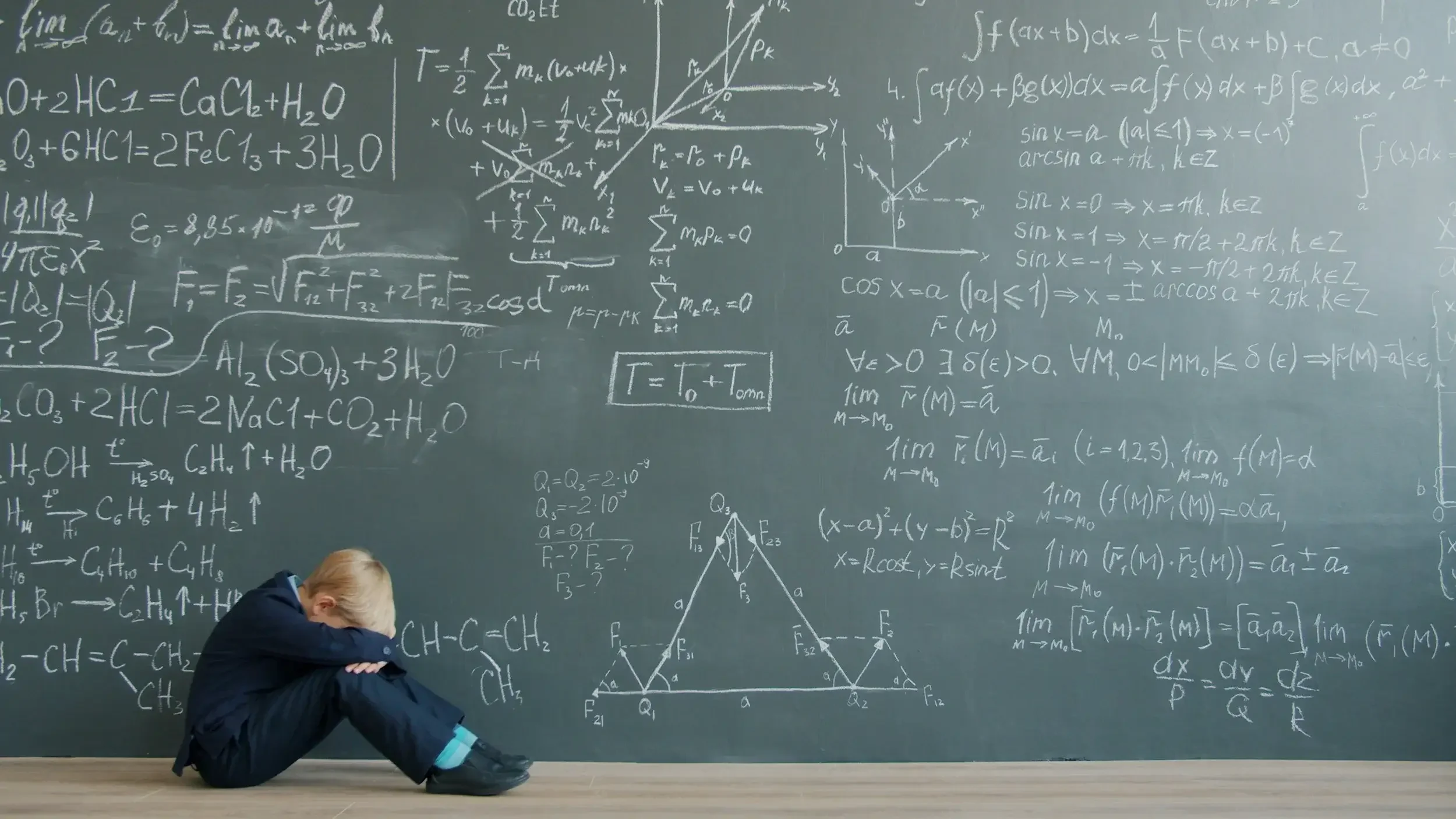
Kids with low frustration tolerance may be misunderstanding randomness.
However, not all consequences are a direct result of our actions. This, too, is represented in Dungeons & Dragons. A core aspect of the game is the roll of the dice. Dice add an element of randomness to make the game more fair, fun, and balanced. Dice also afford kids an opportunity to practice the real-world experience of not having total control over something. This is a problem that all of us face, and the frustration that comes from it is very real. Kids need consistent practice dealing with these situations (and the emotions) that follow to be adequately prepared for the adult world, and D&D offers a fun and low-stakesenvironment to practice this.
This also helps kids have a more accurate understanding of randomness. Humans as a whole are pretty terrible at understanding randomness. We often think having a good day means we’ll win the lottery, that we’re “due” for a win, or that a “hot streak” guarantees success. This misunderstanding can lead to great frustration. When playing D&D, the constant dice rolls give players a (very literal) understanding of randomness, what they should predict, and how much they should expect things to go wrong. Besides gambling, which is not always ideal for kids, D&D may be the best way to easily practice understanding probability. And with understanding comes increased frustration tolerance in kids.
Kids With Low Frustration Tolerance For Others

Frustration tolerance skills are also social skills!
Sometimes frustration arises as a result of other people. Strangers can be rude; coworkers can be lazy, and family members can get on our last nerve. This is a natural and unavoidable part of being human, so kids need to practice experiencing it. D&D is an inherently collaborative game; it gives kids a chance to practice dealing with frustration in response to a teammate’s reckless decision-making or a friend’s annoying habits.
Kids don’t just “deal with it” when it comes to this particular frustration; in D&D they learn to understand others. Once again, this frustration is connected to a lack of understanding. Once kids truly see and acknowledge that other people are simply trying their best, their frustration can be held gently and dealt with peacefully. D&D is wonderful at helping kids develop deep, meaningful connections with others that enable them to see things from another point of view and understand others’ perspectives (we have a whole article about how D&D can help with empathy here!). This understanding enables kids to take a step back from their frustration and see others more clearly, allowing them to deal with the feeling much more easily.
Kids Frustrated In School vs. Safe Spaces
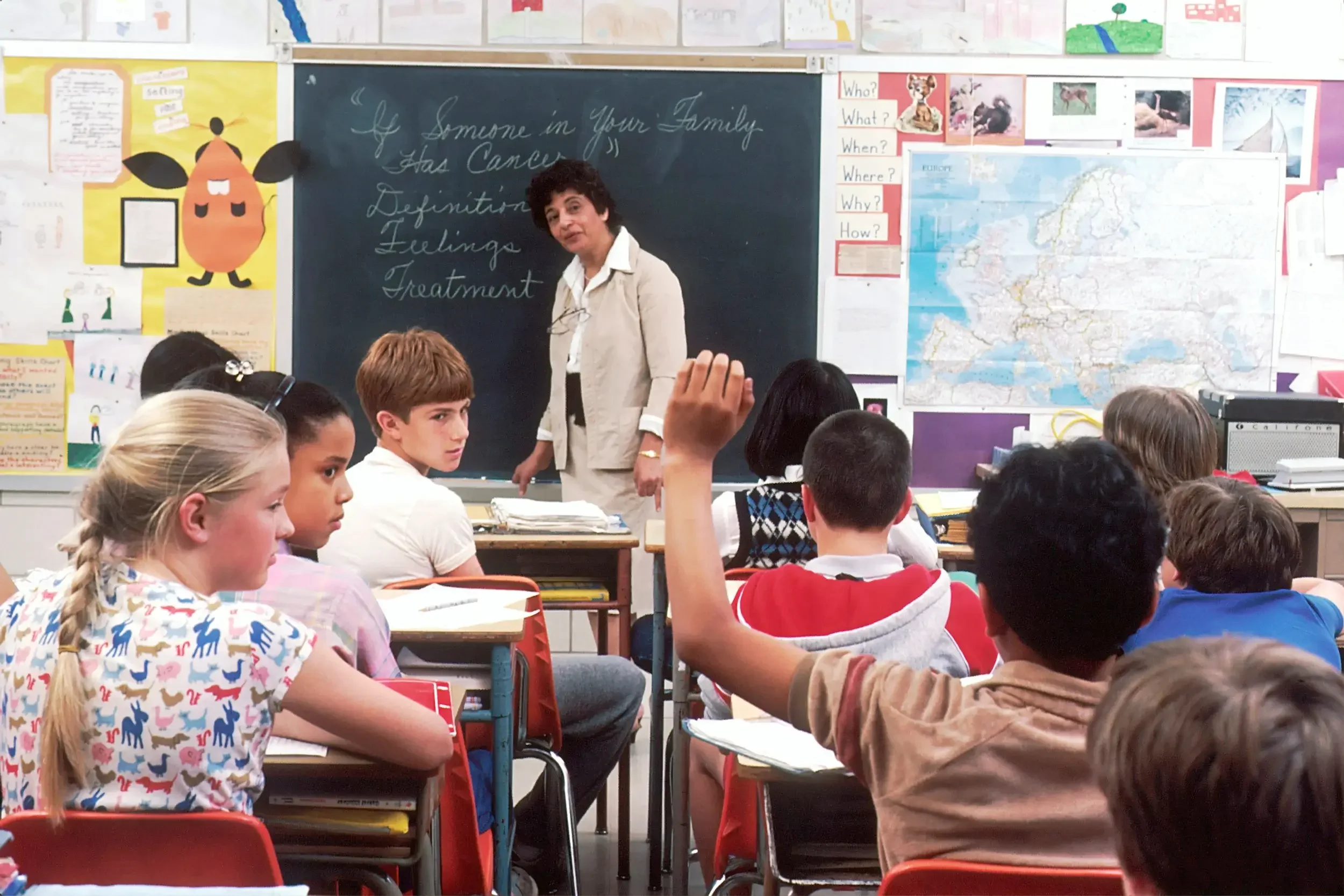
Helping kids with frustration tolerance is much easier in a safe space.
Frustration tolerance activities for kids work best when they’re a safe space, so kids can express their emotions, work through their frustration, and grow together. That’s exactly what we offer in our games of Dungeons & Dragons, where kids are free to experience and process whatever emotions come up in the moment. Kids aren’t often afforded this luxury. At school, kids’ frustration must quickly be dampened so as not to disturb others’ learning. In public, kids are often told to get a handle on their frustration so that they don’t make a scene. Very rarely are kids allowed to express frustration in a healthy and complete way. When frustration feels like something bad that should be avoided, it takes up a lot more mental space when it arises and becomes much more difficult to deal with.
In our games, kids can share what they are feeling with the Game Master and their fellow players without negative pushback. This experience reduces the negative associations around feelings of frustration and helps children have a much more positive and healthy relationship with their own frustration, which in turn makes it easier to manage. Then, when they become frustrated in the real world, they do not have an excessive reaction because they have dealt with it in the game and have learned that frustration is okay. Because they have this understanding and practice, they can gently put it away for another time and respond to the moment in a more appropriate, controlled manner.
Frustration Tolerance Activities for Kids
At Young Dragonslayers, we host groups playing collaborative tabletop roleplaying games led by skilled adult facilitators. We run sessions with the goal of guiding social interactions and discussions to build friendships and develop social-emotional skills through gaming. Because of our backgrounds in therapy and education, we’re dedicated to making sure every player finds the group that’s a perfect fit for them; we’ll assess their support needs, social skills, age, and gameplay preferences (some kids need to follow every rule, while others just want to blow up the dragon!) and create small groups matched with professional, experienced adults who are equipped to fit the needs of the group. Every child is placed in a group that can maximize their potential to grow in a safe and supportive environment. If you’d like to meet with us to discuss participating in these groups, sign up for our waitlist and we’ll connect with you!