
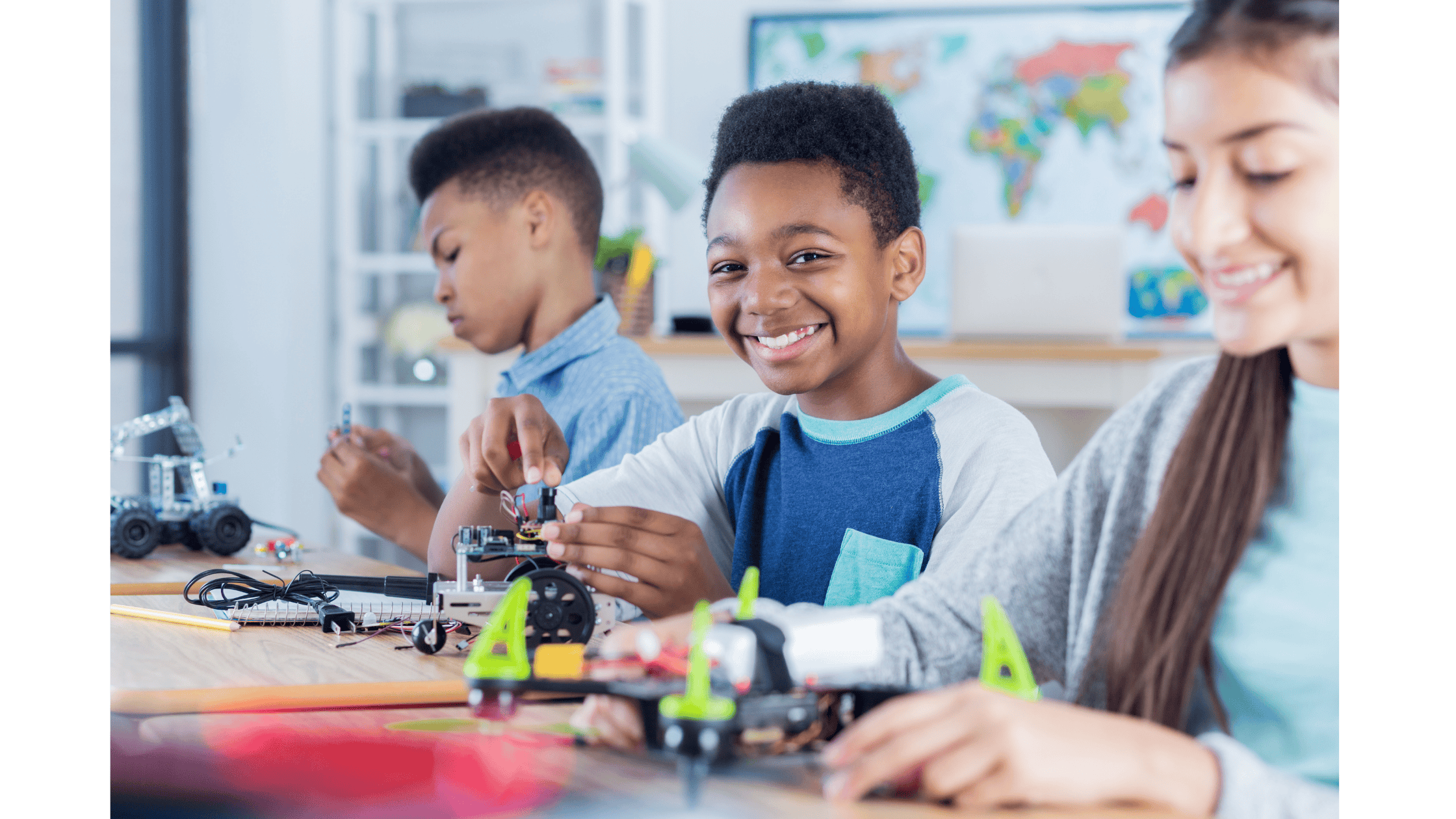
We’ve looked into the research on how to help foster a growth mindset in your child.
Most parents already know about growth mindsets and how helpful they can be, but few parents have a strong understanding of how to actually cultivate a growth mindset within their child. Psychologist Carol Dweck has led the charge in this area. She defines a growth mindset as viewing challenges, setbacks, and failures as opportunities for improving oneself. This mindset includes viewing skills and intelligence as constantly changeable, not as set traits, which is a component of a fixed mindset. Growth mindsets are hugely beneficial to children, but it takes work to build them. Here’s what the research says about helping your child develop a growth mindset.
How To Help A Child With A Fixed Mindset

Fostering a growth mindset in kids helps them to let go of their fixed minset.
Those with “fixed” mindsets view one’s intelligence and talent as set, leading to a lack of motivation for self-improvement. It has been shown that people with fixed mindsets feel stronger negative emotions upon failure and are more likely to give up in the face of adversity. They stop trying in challenging situations, whereas those with a growth mindset tend to use the adversity to continue pushing and grow from the experience.
It has been well documented by a large body of research that a “growth” mindset greatly helps academic performance, personal health, and relationship success across childhood. This mindset is especially critical for children, as they are constantly trying and failing as they learn and grow in the world. If a child has a fixed mindset, they will view these events as reflections of inner faults, discouraging them from future attempts and causing them to fear imperfection. Kids with growth mindsets instead learn from their failures, applying them as lessons that serve to motivate future endeavors. If this can be learned at a young age, a growth mindset becomes a habit and can continue to serve them throughout their life.
The Missing Piece In Fostering A Child’s Growth Mindset

Practicing is on of the best ways for children to develop a growth mindset.
Experts have shown that growth mindsets are not inherent, but are actually learned and developed over time; kids need to be taught a growth mindset. It helps kids to have flexible adults who can break down these important ideas about the nature of failure and growth in a way that kids can understand. Often, the best people to teach kids about this are teachers, therapists, and parents, because they can most easily break down abstract concepts that children can easily apply in their life.
Recent research, however, has shown that this may not be enough. This year, a study revealed that growth mindsets in children were helpful, but their effect was small until children engaged in activities that let them practice using a growth mindset. This study reveals a key piece of the puzzle that adults had been missing when it comes to growth mindsets. Kids do not learn by talking, they learn by doing (this applies for other skills like empathy too)! Kids need fun, engaging activities that let them use these critical skills in a comfortable environment before they can internalize the skills and continue using them in their day-to-day life.
This presents a slight issue. So much of the research from therapists and educators has gone into what makes up a growth mindset and how it helps kids. But they have neglected to explore how kids can actually practice using their growth mindset, which may be the most important part.
The Best Kids Growth Mindset Activities
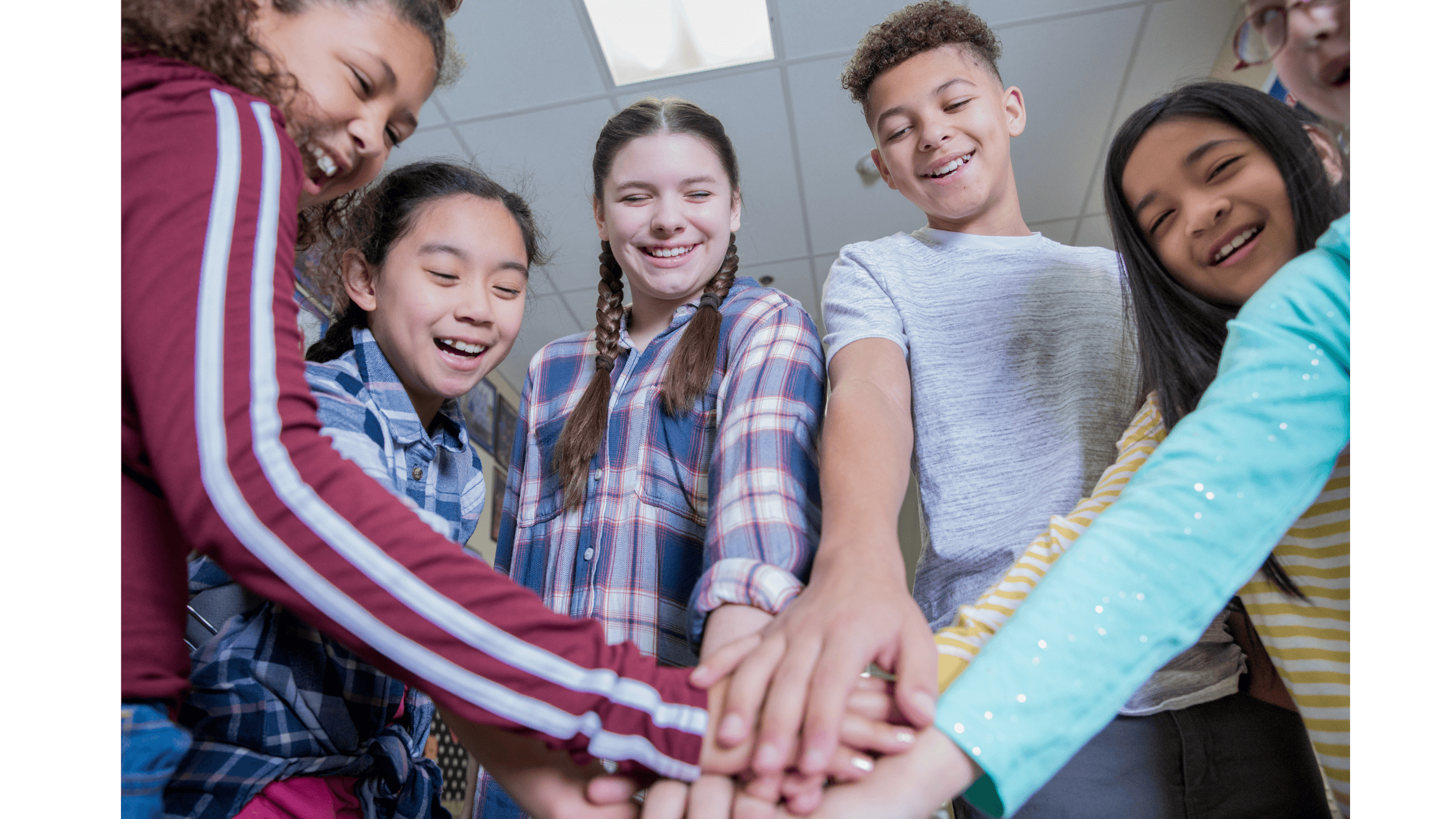
Games are one of the best growth mindset activities for children.
Tabletop roleplaying games like Dungeons & Dragons (D&D) are naturally well-suited to help kids practice using their growth mindset. In D&D, everyone plays a character of their creation. The character can be strong, fast, clever, or whatever the player wants. These characters, along with the player, will grow and change, cultivating new skills and abilities as they go on quests and level up. Through roleplay as their character, kids will practice utilizing their growth mindset as they face challenges: failing, succeeding, and getting better. This reinforces the knowledge that people all have different strengths and weaknesses, but they can get better at them if they give themself a chance.
Additionally, D&D is bound by dice. Whenever someone tries to take an action, whether it is attacking an enemy, jumping over a gap, or sneaking into a room, they must roll dice to see what happens. Because the success rate of dice rolls is higher the stronger the plan, the game encourages planning ahead, anticipating consequences, and forming backup plans: key skills needed for success with real world problems. The random nature of dice also means that whenever kids try things, like in real life, their plans have a chance to fail.
When faced with failure, kids have the chance to exercise either a growth mindset or a fixed mindset. Whereas a fixed mindset will make them more likely to give up, with a growth mindset, kids will recognize how they could have planned better to increase their odds of a successful dice roll or if they will need to come back later after they have levelled up and increased their power, . It is only in these times of conflict in response to a failure that kids get a chance to actually practice using a growth mindset. These situations give them the chance to build critical habits that will allow them to remain flexible and confident in the face of real-life failures.
Growth Mindset Activities for Children
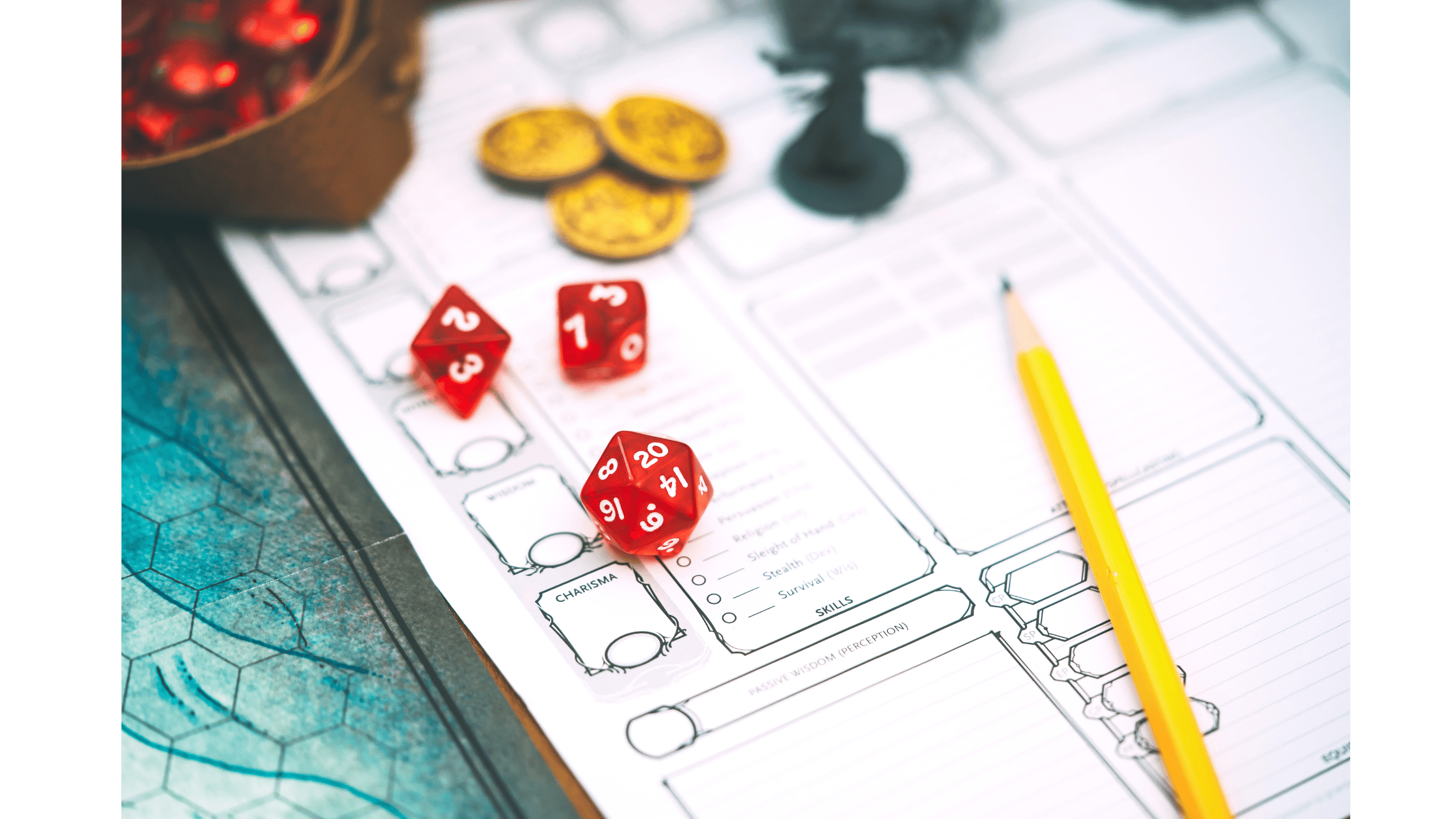
The best growth mindset activities for kids are social, letting them practice with their peers.
Recent research has examined the role of a growth mindset in kids’ social-emotional skills. Kids need to be able to apply their growth mindset to their interpersonal relationships, not just to academic or practical problems. The collaborative nature of Dungeons & Dragons is critical for this part of developing a growth mindset. In D&D, kids have to work together with other kids, negotiating and collaborating in the face of problems while building deep and firm connections with others. This shows them how emotional skills and connections grow and change over time, developing their growth mindset in relation to their social-emotional skills.
The fun, engaging environment of D&D provides the perfect context for kids to practice all of these aspects of a growth mindset. The relatively low-stakes environment helps kids feel comfortable making mistakes, and thus it will be easier for them to practice a growth mindset. Additionally, experts have found that kids learn best when they’re having fun and playing with other kids. This makes their minds more flexible and open, increasing the chances of them being able to use this mindset in the future. This makes Dungeons & Dragons the perfect practice ground for kids to be able to work on a growth mindset, preparing them for when they will need to use it in response to real-life failures.
Get Help Developing A Growth Mindset In Your Child
If you think that this kind of activity would benefit your child, you’re in the right place! At Young Dragonslayers, we host groups playing collaborative tabletop roleplaying games led by skilled adult facilitators. We run sessions with the goal of guiding interactions and discussions to build friendships and develop skills through gaming. Because of our backgrounds in therapy and education, we’re dedicated to making sure every player finds the group that’s a perfect fit for them; we’ll assess their support needs, social skills, age, and gameplay preferences (some kids need to follow every rule, while others just want to blow up the dragon!) and create small groups matched with professional, experienced adults who are equipped to fit the needs of the group. Every kid is placed in a group that can maximize their potential to grow in a safe and supportive environment. If you’d like to meet with us to discuss participating in these groups, sign up for our waitlist and we’ll connect with you!