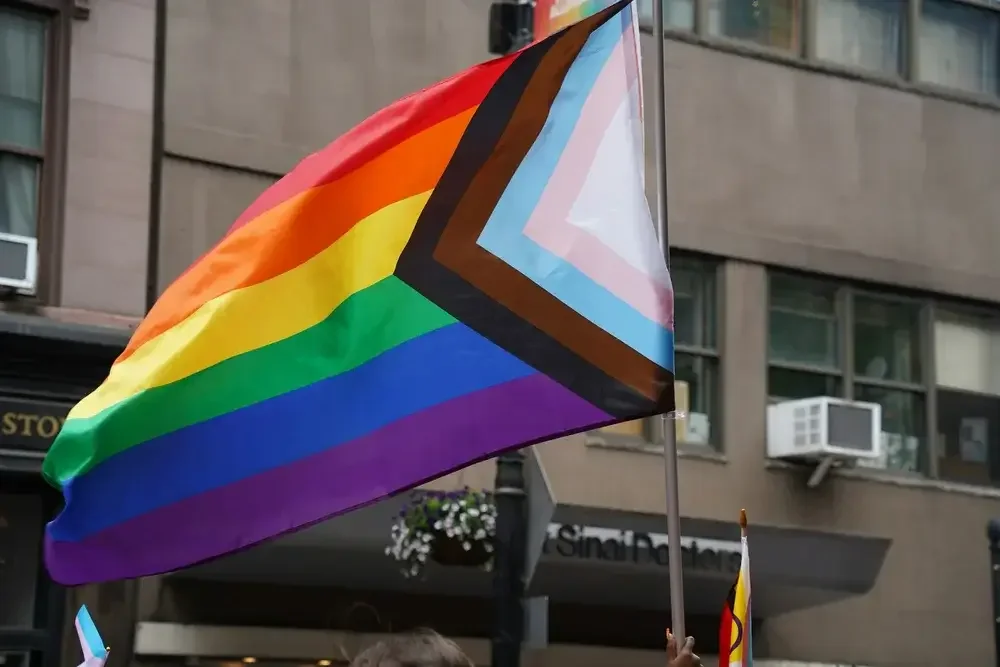
Are you wondering where to find support for LGBTQ+ teenagers? We’ve collected a variety of online resources and groups to help.
As times change, more parents of LGBTQ+ children are looking for ways to support children in their identity. They’re wondering what resources are available for LGBTQ+ education, where to find online LGBTQ+ groups for kids, how to get resources for parents of LGBTQ+ youth, ways to support their LGBTQ+ child, and the best LGBTQ+ supportive places for their children. If that’s you, congratulations! Having supportive adults, especially supportive parents, is one of the best indicators that an LGBTQ+ youth will grow, thrive, and succeed, even when not everyone in their lives (and the world) has their back. We’re a group of LGBTQ+ inclusive therapists, educators and parents, many of whom in the LGBTQ+ community ourselves, and we’re happy to share online resources, support groups, and more to help you support your LGBTQ+ child.
How To Support Your LGBTQ+ Children
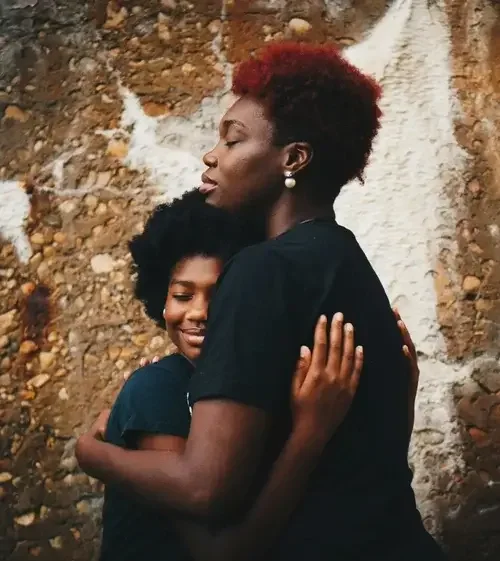
These resources for parents of LGBTQ+ children can help you be an ally for your child.
While finding resources and spaces for your LGBTQ+ child is important, making sure that you yourself are a supportive presence in their life is first on the list. Accepting them for who they are is a great start, and learning about their identity and how to best support them can help you become the ally they need in their lives.
First, familiarize yourself with the words LGBTQ+ folks use to describe ourselves; the LGBT Hotline Glossary is a great place to start, with an alphabetized list of words and terms used to understand sexuality, gender, and identity by the LGBTQIA+ community. The Human Rights Campaign’s resources for allies can help you learn the everyday actions and lasting habits of allyship; their list of resources for parents for LGBTQIA+ youth is also helpful, including posts on online safety dating disclosure for parents of trans youth, guides to navigating uncertain times and transitions to adulthood for parents of LGBTQIA+ youth, and answers to questions about seeking gender-affirming care for your children.
Parents of transgender children can find guides to trans allyship for parents at both Hey, I’m Trans and Trans Lifeline, while parents of bi+ children can find specific resources from the Bisexual Resource Center. The National Alliance on Mental Illness has a great article on the unique mental-health experiences of LGBTQ+ people and a guide to find LGBTQ+ competent care for your child. And if you happen to reside in North Carolina, Florida, or New York, consider Child Anxiety Counseling, a specialized LGBTQ+ inclusive group practice for teens and tweens with anxiety and OCD founded by our very own Katie Lear.
In-Person and Online Resources for Parents of LGBTQ+ Youth

There are many resources for parents of LGBTQ+ children available online.
Many parents’ first instinct is to better understand and support their LGBTQ+ children, which is vital for kids’ well-being. But parents, don’t forget that you matter, too! There are plenty of groups for parents of LGBTQ+ youth and resources for you to process and understand the ways your child’s coming out has changed you and your family.
A great resource hub for parents is PFLAG (Parents, Families, and Friends of Lesbians and Gays - though it has expanded to include the LGBTQ+ umbrella), which has a guided resource list for you to find the what you need based on your child’s identity, your experiences and goals, and your engagement in faith, workplace, and health communities. They also have chapters that meet globally and in every U.S state, a supportive, private, online community, and online courses on subjects from policy advocacy to inclusive learning.
Parents of transgender children can find online parent groups at Stand with Trans, which has peer support for parents of children and adults, Trans Family Support Services, which has groups for parents of trans littles, parents of pre-teens and teens, and parents of trans adults, TransFamilies, which has groups for parents and grandparents that address specific age groups and subjects like faith, neurodiversity, and fatherhood, the Gender Spectrum Parent Community, which focuses on giving support, receiving support, and finding resources, the Association for Autism and Neurodiversity, which has forums and connection groups for parents of neurodiverse children, teens, and young adults, the Parent Support Program, which provides videos, writing activities, and other educational materials, and, if you don’t mind a price tag, the Trans Wellbeing Parent Program, which gives both group support and online courses for parents of transgender children.
Finding Online Resources for Your LGBTQ+ Child
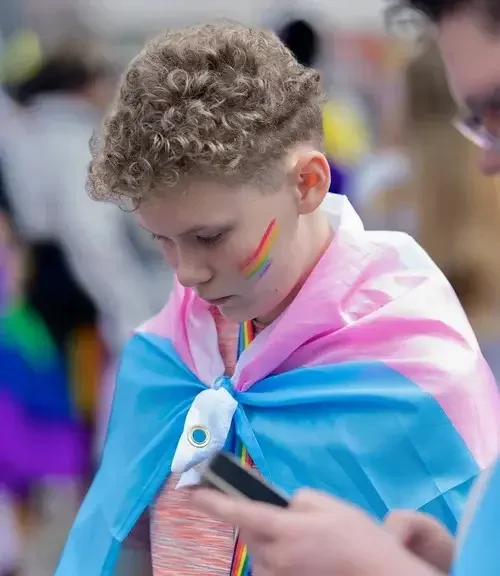
Here are several online resources to help your LGBTQ+ child.
There are a wealth of resources available online for LGBTQ+ youth as well. These materials can be shared with your children to go over on their own time or reviewed in conversation for you to better understand your child, their experiences, and how they feel they fit in the greater LGBTQ+ community.
National LGBTQ+ youth organization The Trevor Project has a treasure trove of searchable resources on sexual orientation, gender identity, LGBTQ+ community, mental health, diversity, coming out, allyship, intersectionality, and more. Transgender youth can look to Hey I’m Trans for resources on gender identity, coming out as non-binary, transgender-inclusive support lines, the logistics of gender transition, the legal rights of trans youth, and how to make trans friends, and Trans Lifeline for resources on gender transition, terms and definitions, health and wellness, immigration and asylum, being Latinx, social and economic justice, social identity, surviving violence, and trans culture. PFLAG has great resources on coming out for youth, with specialized resources for youth who are transgender, nonbinary, asexual, aromantic, bisexual+, or dealing with mental-health struggles, as well as resources on finding supportive community, which is vital for the well-being of LGBTQ+ youth. Youth can also log off and take a deeper dive into LGBTQ+ books, films, music, and other media, with these lists compiled by the LGBT National Help Center.
Online LGBTQ+ Groups for Kids and Teens
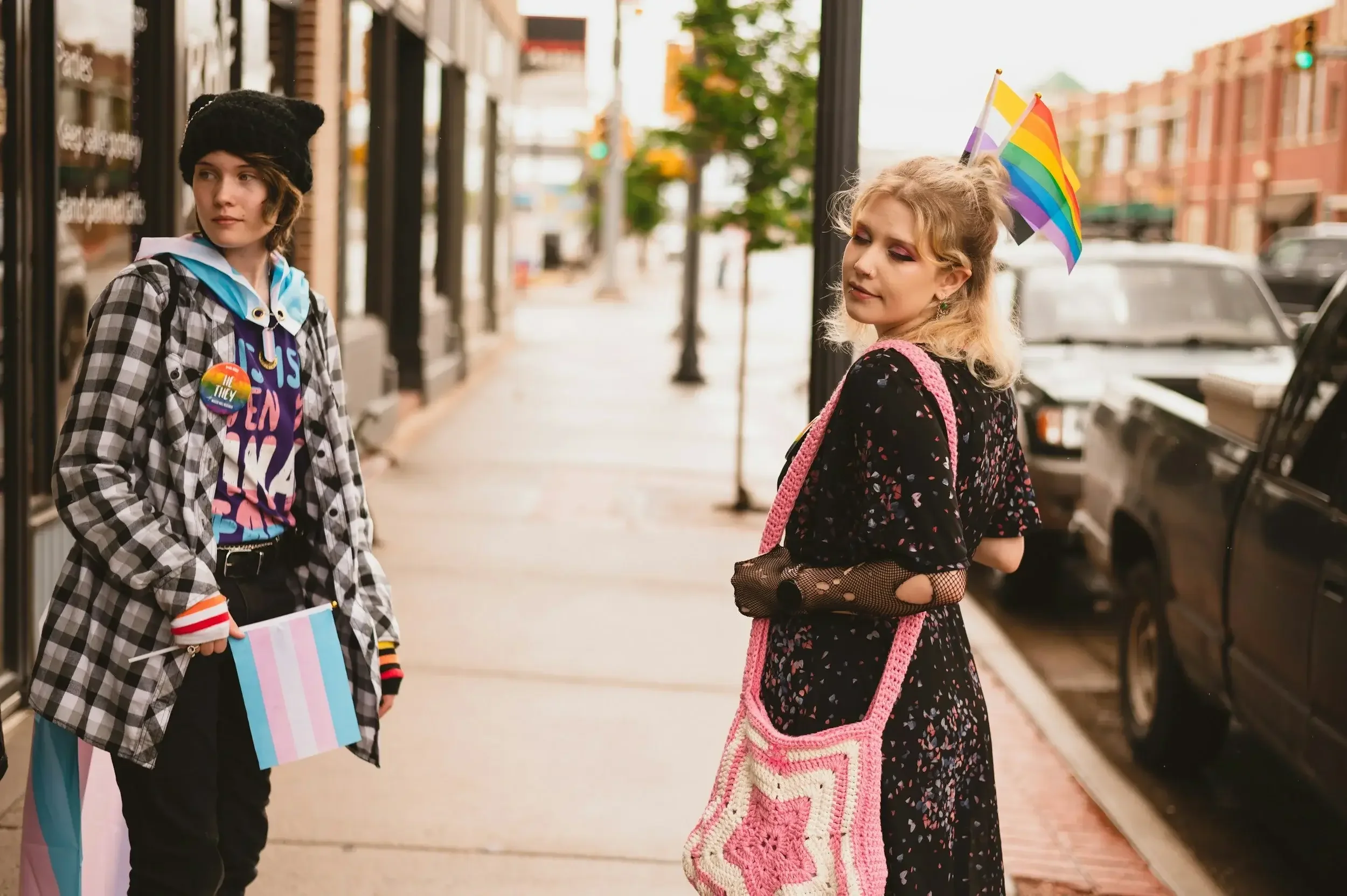
These online LGBTQ+ youth support groups can be a lifeline for LGBTQ+ teens and kids .
As you can see, the internet can be a great source of comfort, knowledge, and support for your LGBTQ+ child. But, as we discussed in our Parent’s Guide to Discord, there are still people and groups online that aren’t safe for your child – especially when they’re out as LGBTQ+. But many LGBTQ+ youth need online community; they may struggle to find in-person communities or just want more than their geographic location can offer them.
Fortunately, there are several safe, moderated online LGBTQ+ youth support groups, help lines, and chatrooms. These include the LGBT National Help Center, which has moderated chatrooms for LGBTQ+ youth, including specific chatrooms for trans teens, Stand With Trans, which connects transgender youth with vetted “ally parents” over email, text, and phone calls, the Association for Autism and Neurodiversity, which has support groups for neurodiverse teens, and young adults, including LGBTQ+ specific groups, and The Trevor Project, which offers 24/7 online chat, phone call, and texts to LGBTQ+ affirming crisis counselors. The Trevor Projects also hosts Trevor Space, a moderated affirming online community for LGBTQ+ youth aged 13-24 that features discussion forums and sub-communities centered around specific interests.
LGBTQ+ Inclusive Groups for Youth Online

Not every online group for LGBTQ+ kids has to center around their identity. Some kids just want to have a place they know is safe for them!
These groups and resources are great for LGBQ+ youth to meet and talk with one another about their experiences and their identities. While LGBTQ+ identity is an important part of some young people’s lives, it’s not the only thing they want to talk about. Many LGBTQ+ youth also want to be able to interact with all of their peers, not just those who share particular identities (plus sharing one label is no guarantee two teens will get along)!
With this in mind, we found resources for online groups that are LGBTQ+ inclusive but are open to youth of all gender identities and sexual orientations. Teens faced with mental-health challenges, as many LGBTQ+ youth do, can visit The Tribe, which includes a group forum, chatroom, and digital tools including mood mapping and wellness trackers, or Koko, which has anonymous peer-to-peer chats in WhatsApp, Discord, and Telegram. Some online groups focus around a shared interest or activity, like Starfish Social Club, an expert-led zoom group for kids of all neurotypes, Playscape, online gaming groups in Minecraft and Roblox moderated by adult facilitators, and Young Dragonslayers, affirming, LGBTQ+ inclusive, and neurodiversity-inclusive online Dungeons & Dragons groups where experienced facilitators led small groups through collaborative roleplaying game experiences (hey, that’s us)!
We match kids thoughtfully, consider age and developmental stage, and adapt gameplay to meet a variety of learning and social needs, and every game is led by trained adults who actively guide social interactions, moderate discussions, and ensure every child feels seen and supported. In our groups, kids get to know the same peers over time, forming lasting friendships while practicing teamwork, communication, and problem-solving — all in the context of fun, imaginative gameplay. It’s a great opportunity for LGBTQ+ tweens and teens to connect with like-minded peers knowing their identities and experiences will be respected. To learn more, click the button below!